"For the first time, I saw what a Russian missile flyby looks like on seismic footage"
Last year Pavel Kratochvíl participated as a geologist from Hodonín in 3D seismic measurements on the Zukivska licence in the Poltava region in eastern Ukraine. In the interview he describes his experiences from the trip and the specifics of working in the area crossed by missiles.
Zhukivska is located in the Poltava region, which lies about 150 kilometres from Kharkiv. How did you prepare for the trip?
Zhukivska is already quite far away - about 1,500 km, but the road there is good, a decent highway, plus there is a nice brewery between Kiev and Poltava with a park and a chance to jump into the Uday River.
It was the second time I was in Poltava, when preparing the measurements in winter I went there by train (I bought a ticket from Kiev to Kiev), which was a convenient and fast option, but it did not include the brewery.
Did you consider whether to go there or not? What did they say back home?
I didn't make any special preparations when I left, I have been going to Ukraine for work for more than ten years and there is no reason to worry about anything. My wife is used to it, and after some visits we had more children.
Did you experience any dangerous moments there? Were you afraid?
There were no dangerous moments, the likelihood of something falling on our heads was small, but the fact that the country was in a state of war was evident at the border and all the way there, where a lot of military equipment was moving around. Another reminder of the common nighttime alarms and sirens in the cities, which I nevertheless managed to successfully sleep through so I didn't have to go anywhere near a basement. In Kiev, there were bombed out supermarkets lining the roads. The power grid also has problems, shutting down at various intervals and having low voltage. It was an unpleasant sight to see military invalids who were also travelling somewhere, some even in military uniform.
How did it affect you there?
The country continued to function despite the grueling war, perhaps like our country during the Austro-Hungarian Empire during the First World War, when most people continued to do their jobs and kept the economy going. It may be strange from the outside, namely that the streets and life look normal, but the biggest changes are under the surface, and of course the war is the subject of almost every discussion with the locals. They are well aware of the help they are getting from us. In this context, I must mention our President's activity (ammunition for Ukraine), which attracted enormous interest last year and for which I was personally thanked, even though I did not, of course, come up with it myself.
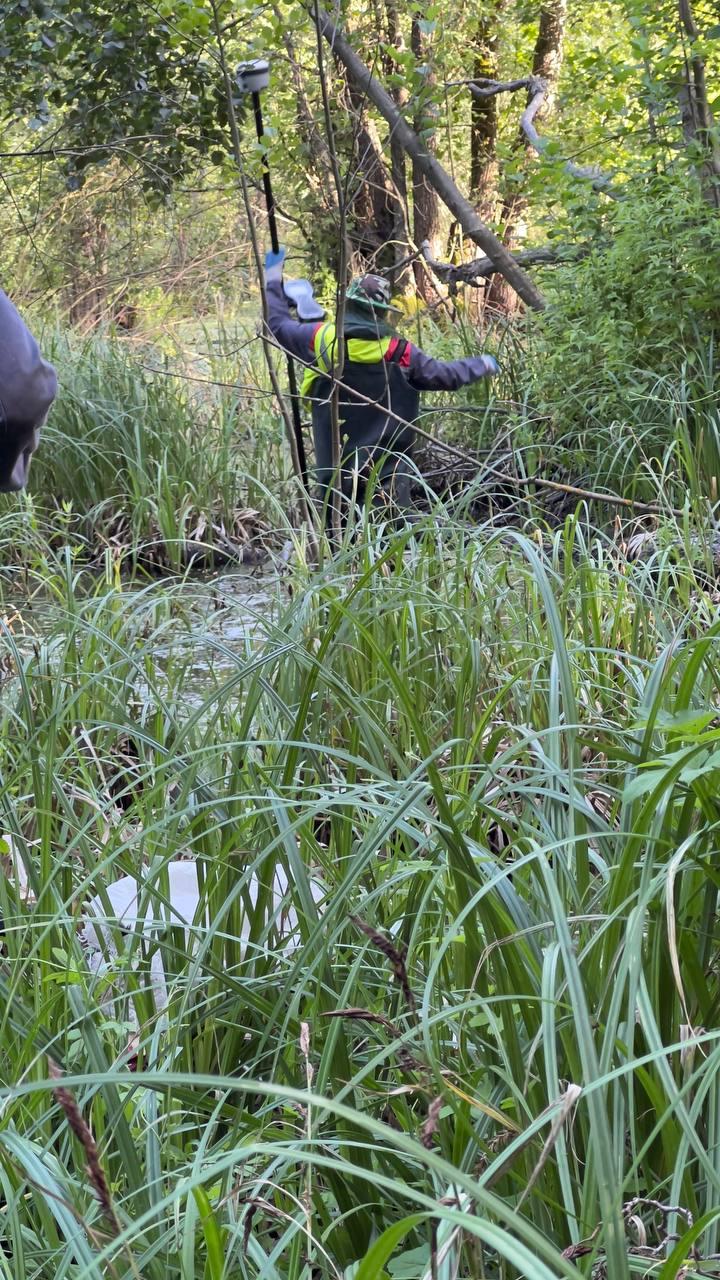
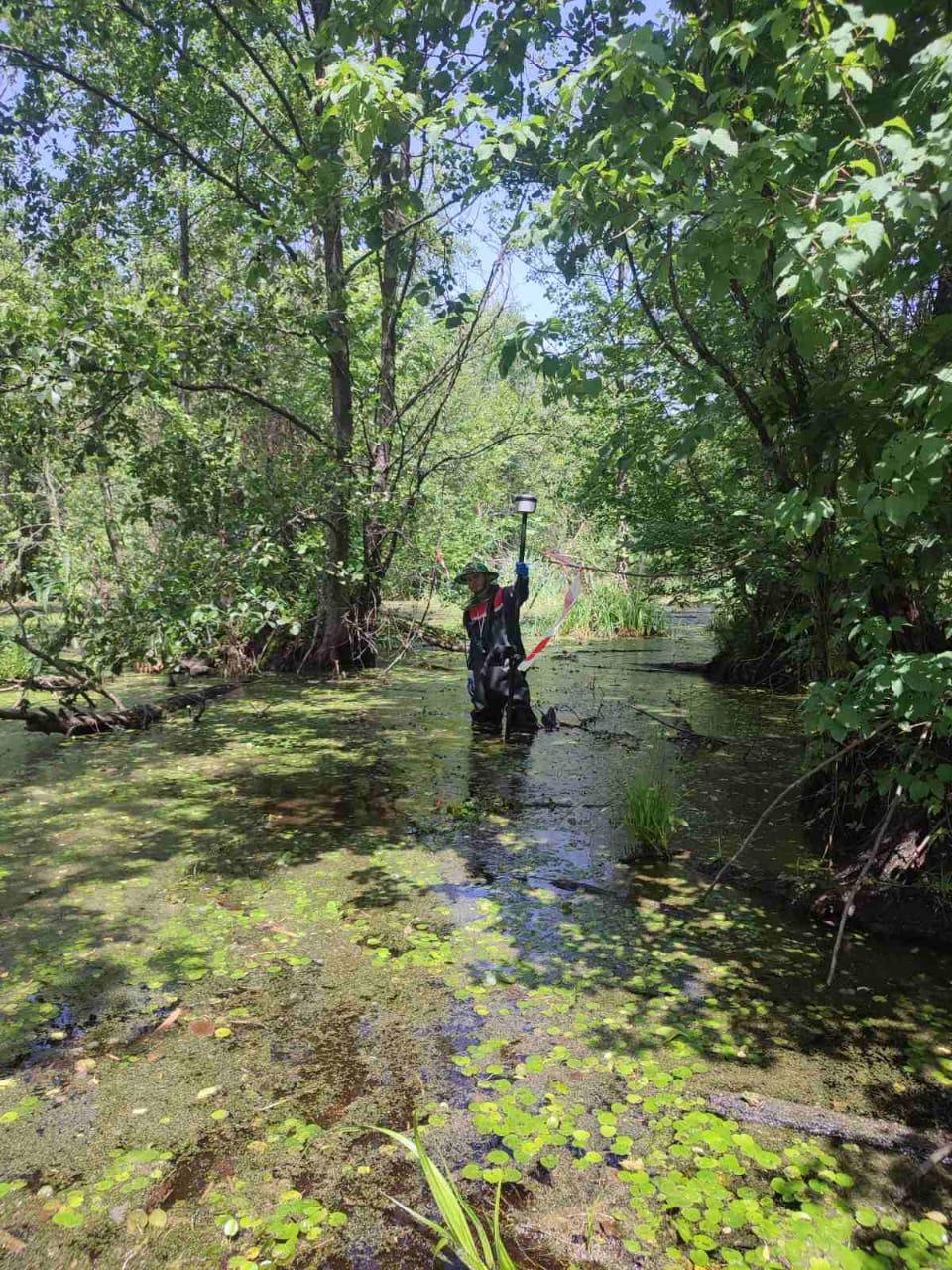
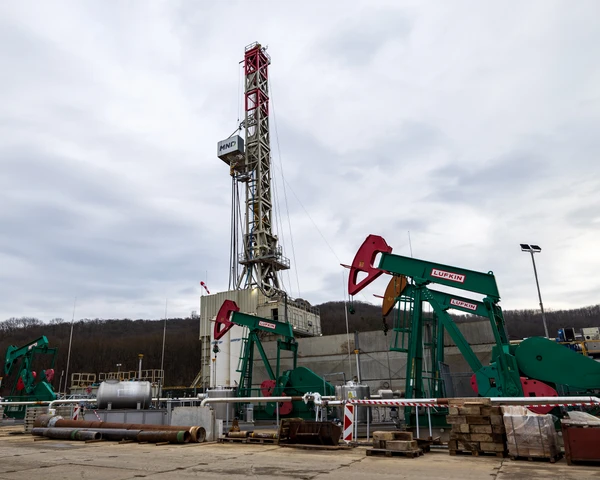
I have seen photos of the 3D seismic measurements at Zhukovskaya. Could you describe your experience? The terrain looked extremely challenging.
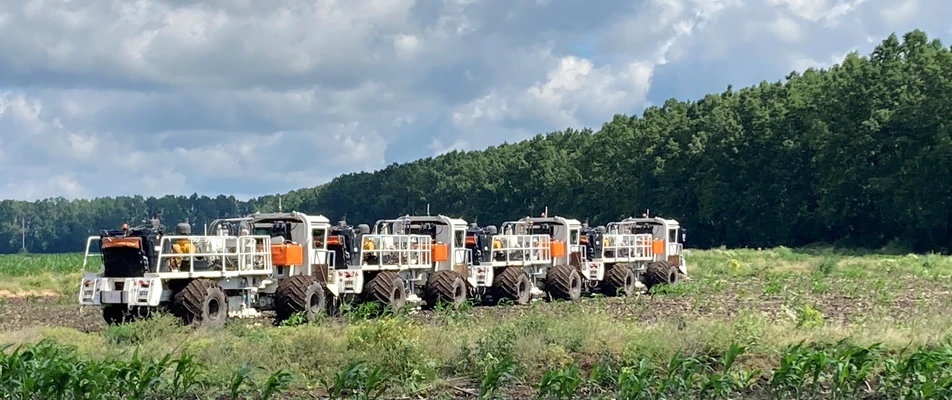
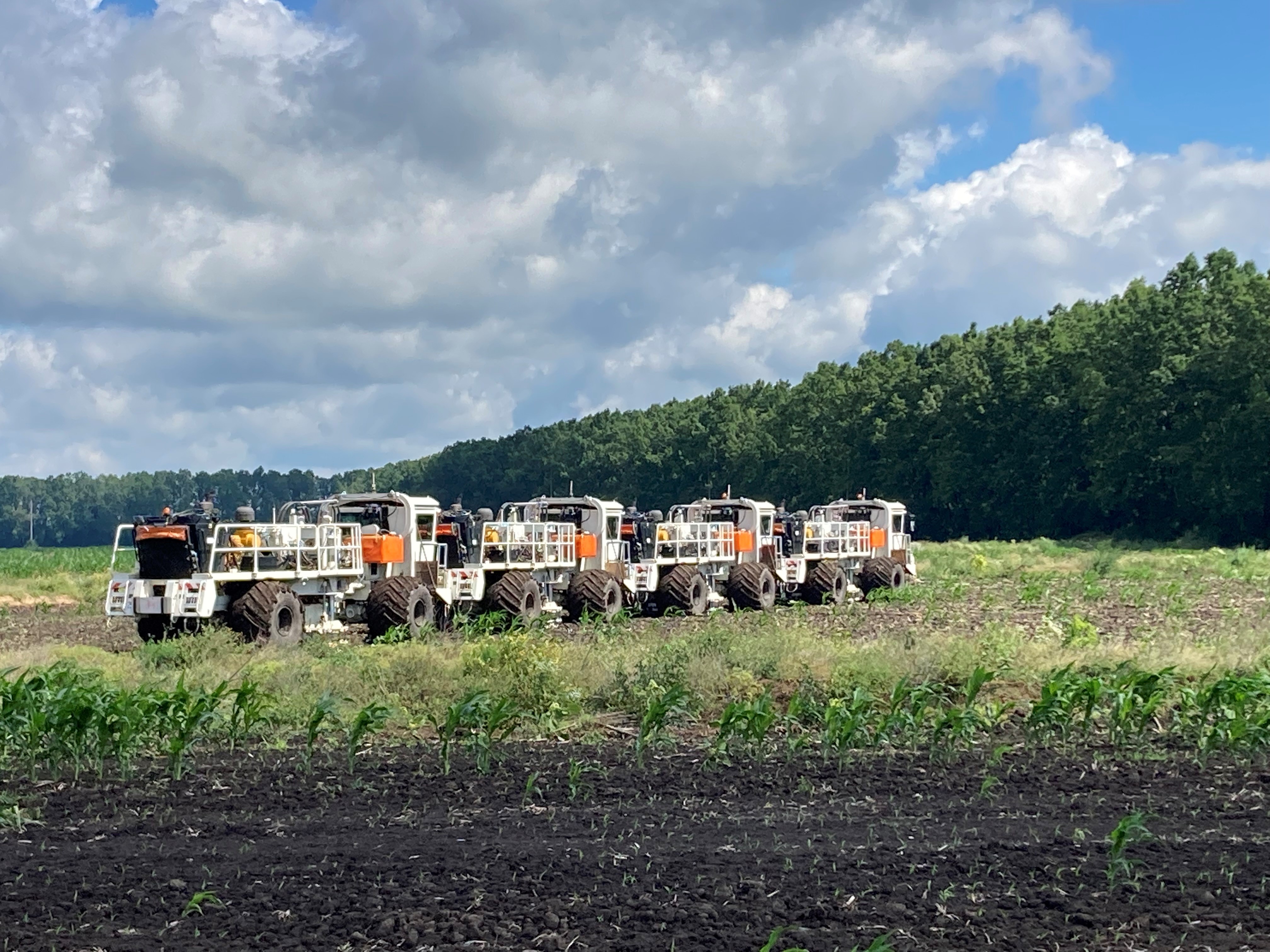
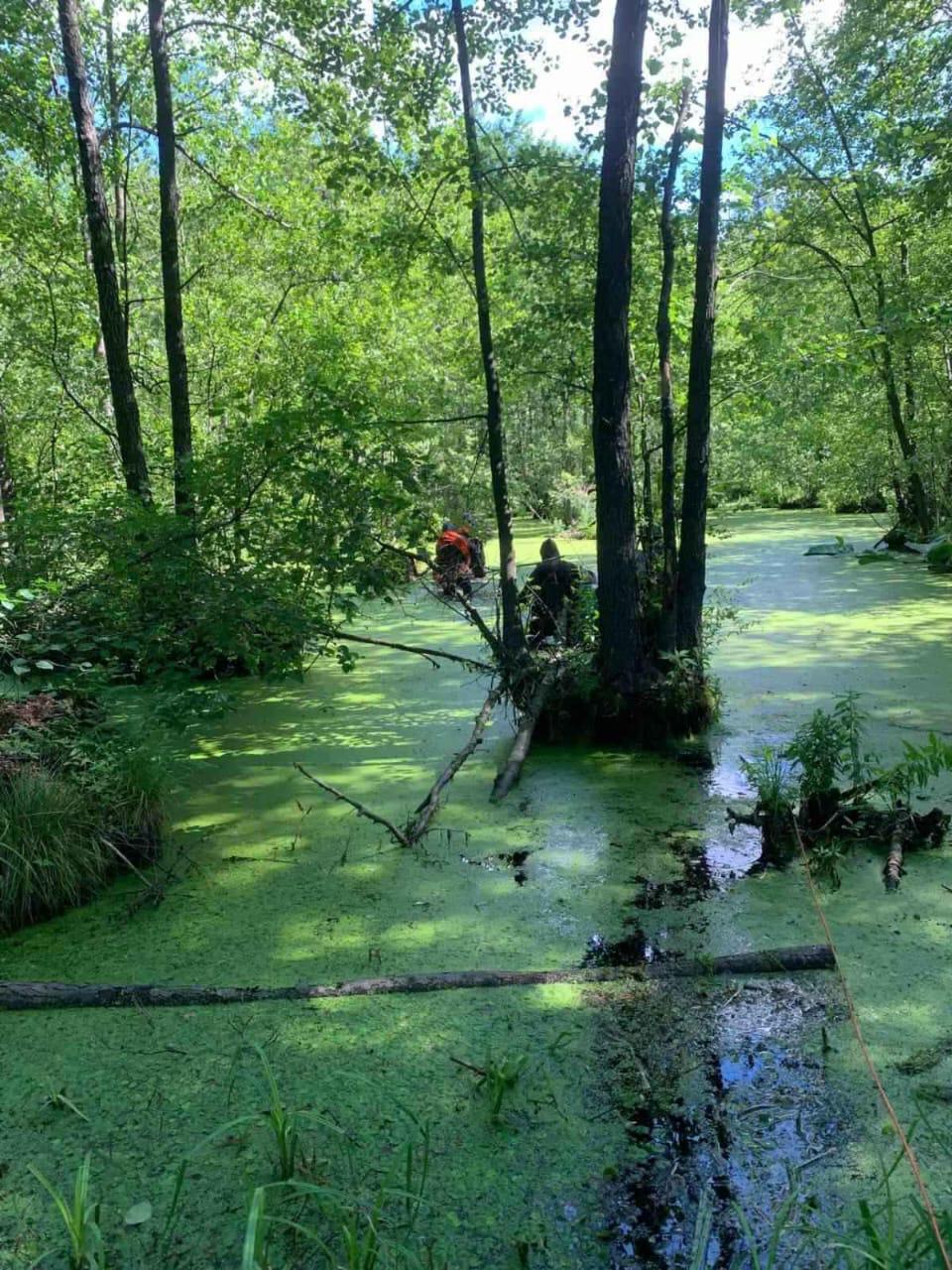
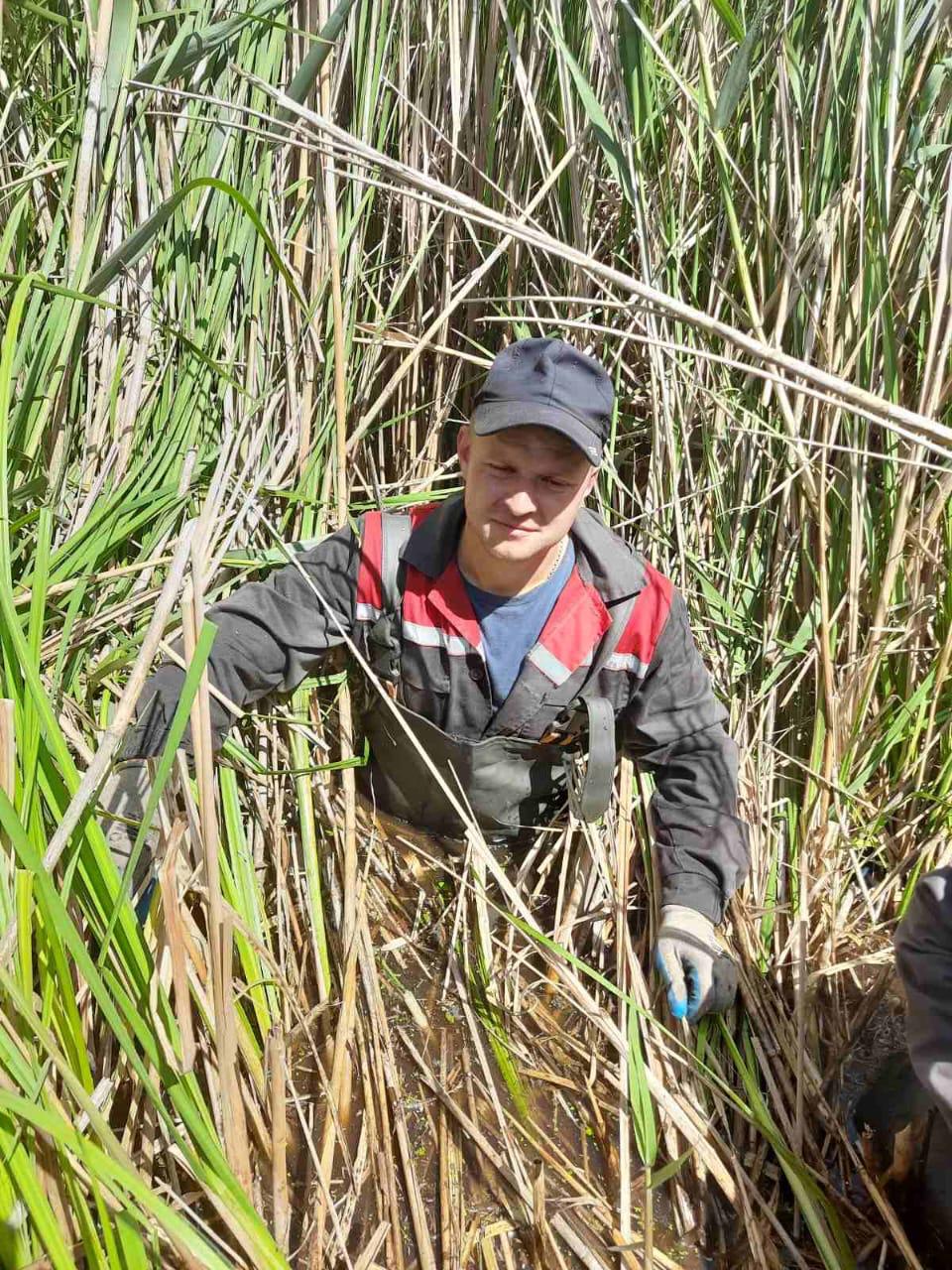
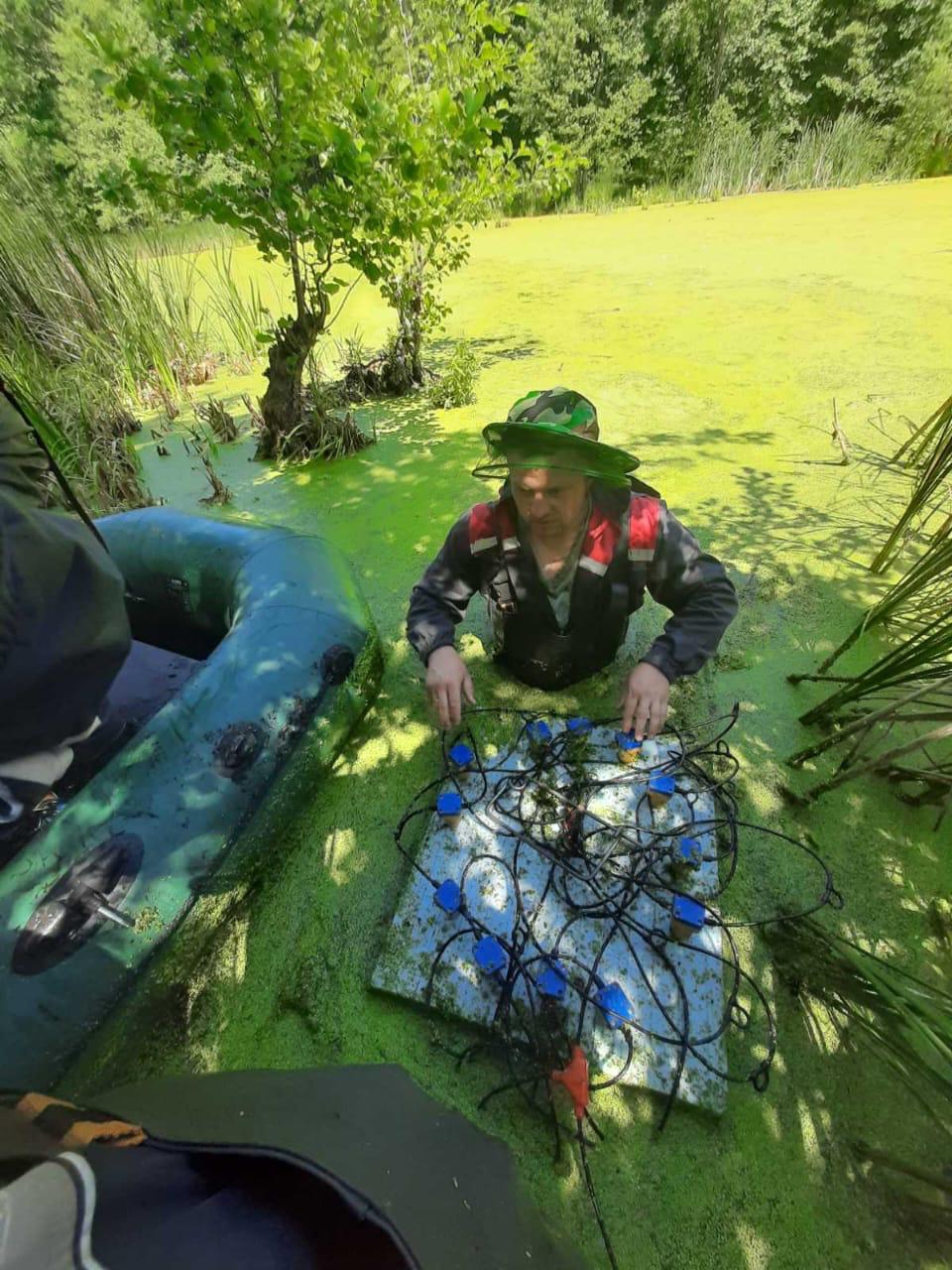
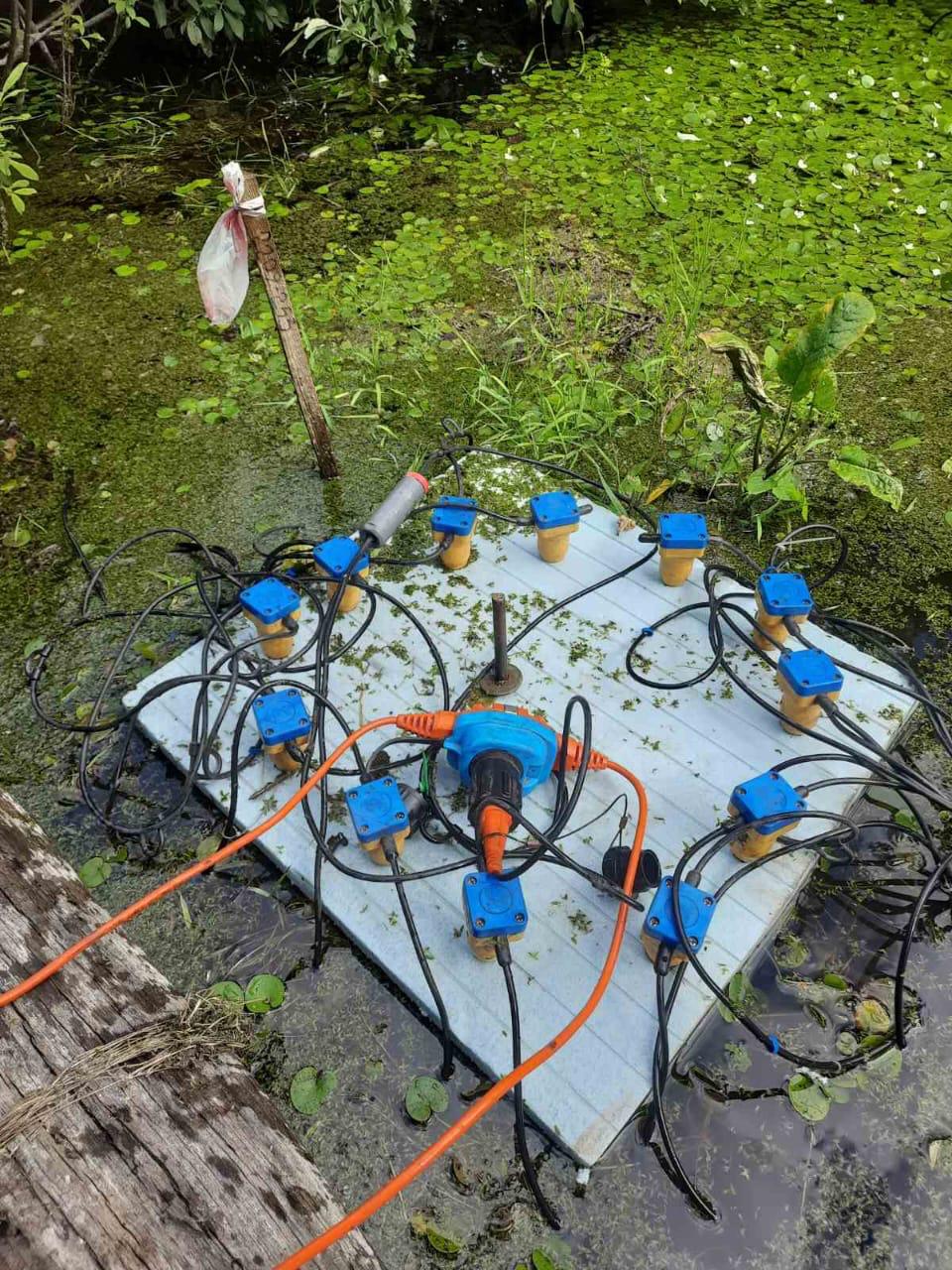
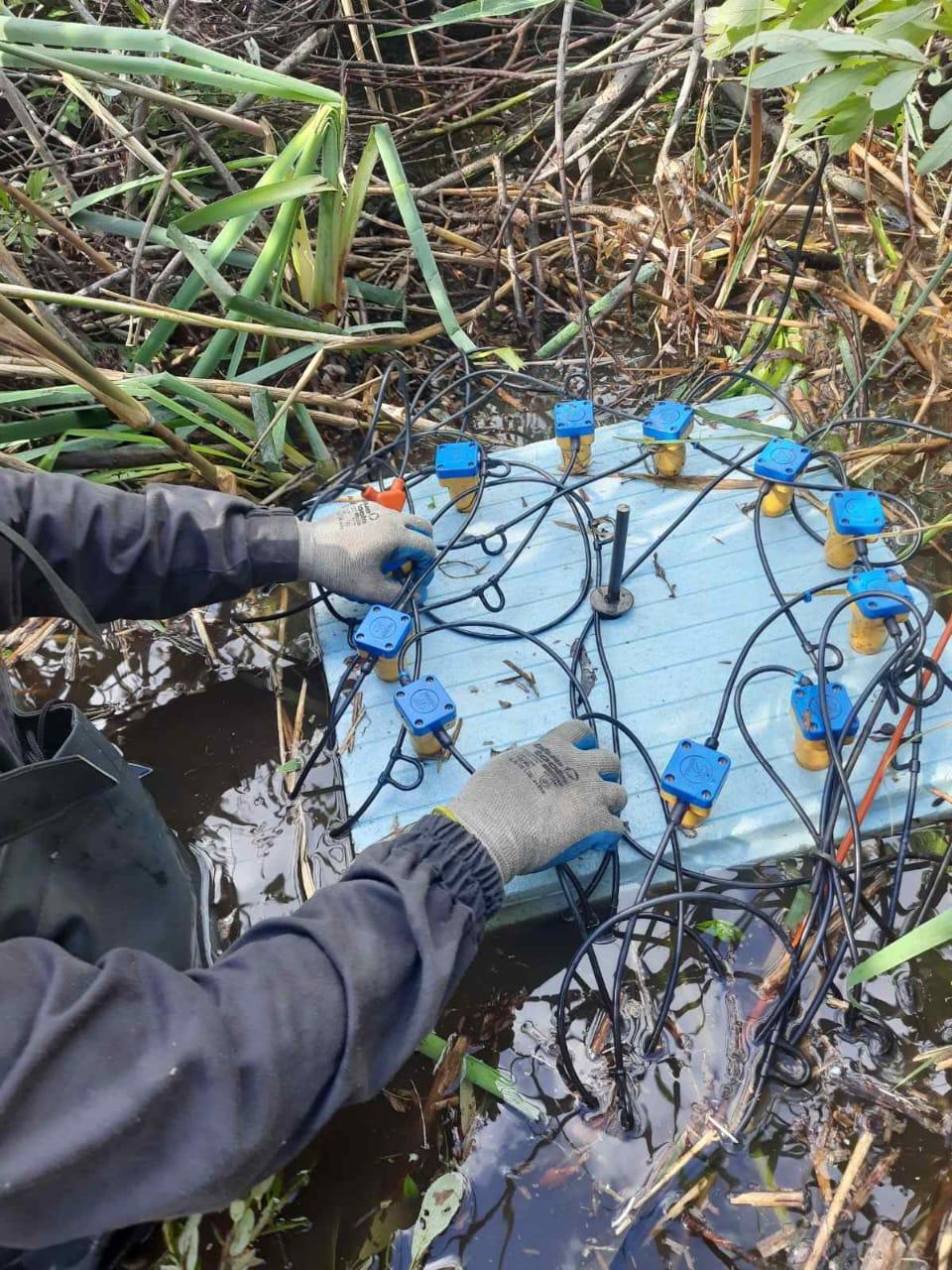
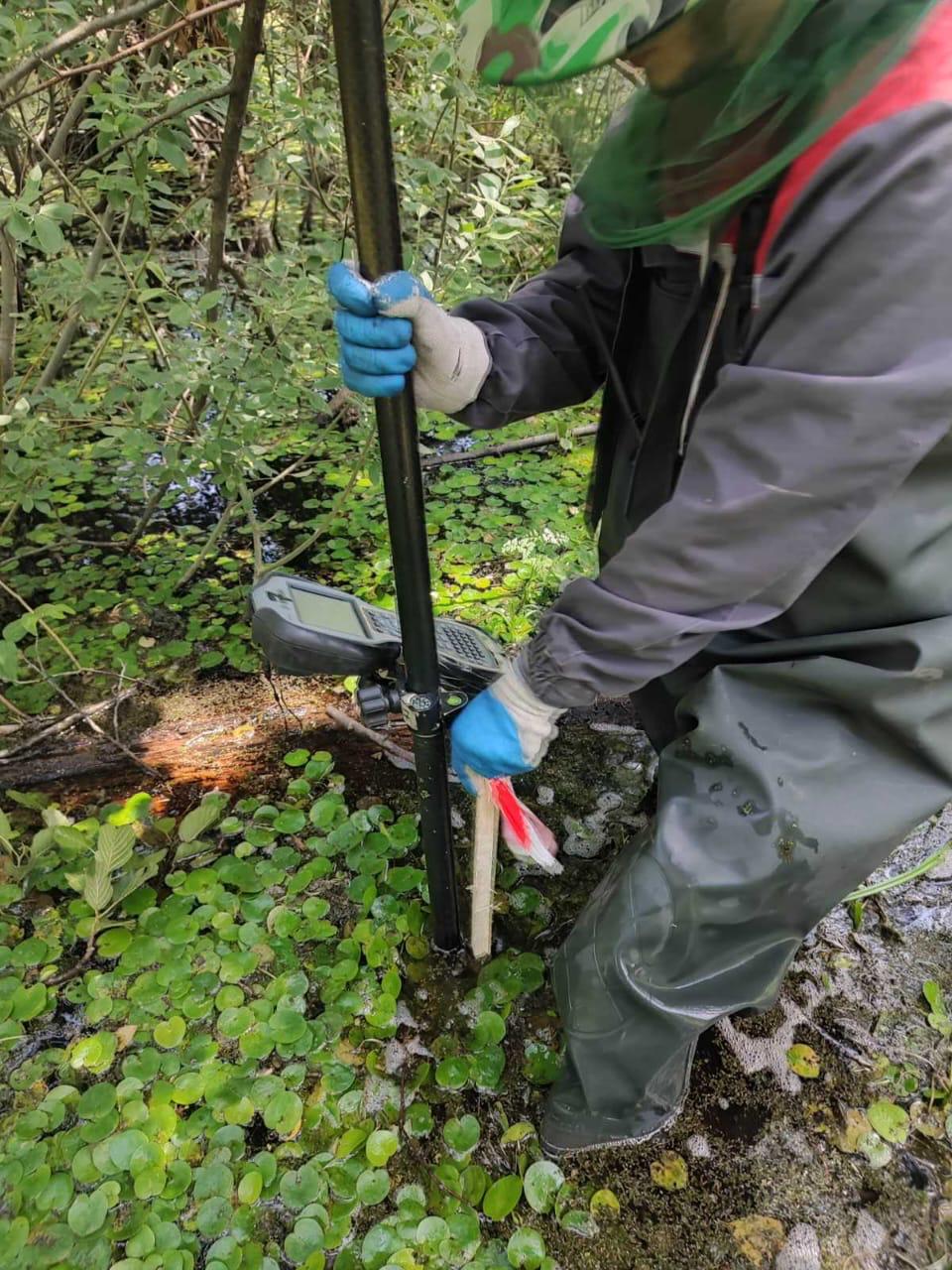
The actual measurements were done by a company that we have been working with since its inception about five years ago and that we know can deliver good quality field data, without unnecessary errors. The terrain was partially under water, but we are used to that from the west of Ukraine. The measurement technology used also took this into account. It was cable-based, which may sound outdated, but because of the flooded parts, the possibility of immediate checking of all receivers' connections and resistance to interference (electromagnetic noise from the war front) it was the most suitable possible choice. Even more challenging were the high temperatures of up to 40 degrees, at which the heavy cables would get really hot. Negotiating access to the land proved an unexpected complication.
How was the cooperation with your Ukrainian colleagues?
The measurement at Zukivske had been planned for some time, but since the measurement is targeted at the salt stump, it was necessary to consider the technology used and to set the parameters so that the data obtained would be of value in the future and could be well processed. It is always a question of compromise, and after discussions between our geologists and Ukrainian geologists, a baseline methodology was defined. This was then tested with the contractor, the field group, and a debate ensued, with some of the participants excitedly leaving the meeting room to return with a different proposal, sometimes better, sometimes not. An acceptable option for both sides was not found until almost midnight, and the next day the measurement was in full swing. Even though we sometimes argue professionally, there is never a lack of mutual respect and tolerance. While we, as the client, have more ability to dictate terms to the field group, it is always necessary to consider the possibilities on the ground and not force unnecessary things on the contractor that would not lead to better results. I believe that our Ukrainian partners have a similarly positive perception of us.
How much mosquito repellent did you use?
There was only one proper mosquito, it was the group chief Roman Komar in tandem with a colleague called Pavuk.
Were there any unusual experiences?
Non-standard experiences are actually normal after all these years, but for the first time I saw on seismic footage what a Russian missile overflight looks like, and on another footage the effect of a downed missile after hitting a field. A favorite comment in the field was that they forgot to send a time stamp again, which would have saved us one source launch. In fact, one of the parameters was the use of dynamite for some of the seismic sources in areas inaccessible to heavy equipment.
The experience can also include a shakedown, in which the fermentation products are always tested at the same time and after which the last linguistic differences are usually wiped away...
The interview was conducted by Martin Beneš

Editor-in-Chief
Other articles
Poddvorov 27 – A reclamation project with a future
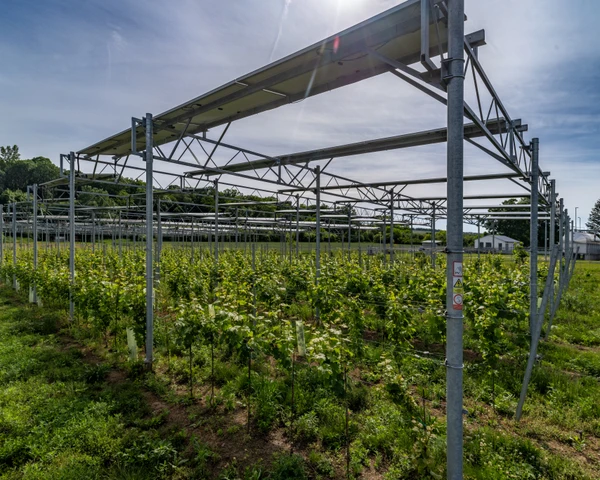
Perhaps no other MND site better illustrates the successful reclamation of land following the end of mining operations. The site of the former Poddvorov 27 borehole now serves as an example of how an area left behind by mining operations can be given a new purpose and actively utilised once more – in the form of a modern agrovoltaic concept.
Women in MND: Energy that takes many forms
Energy plans rapid growth and modernisation
The year 2025 was exceptionally successful for our division from both a financial and operational perspective. We achieved significant growth in production, revenue and profitability, and our overall results significantly exceeded the original plan. EBITDA reached CZK 1.7 billion, with our operations in Ukraine being the main driver of this outstanding performance.