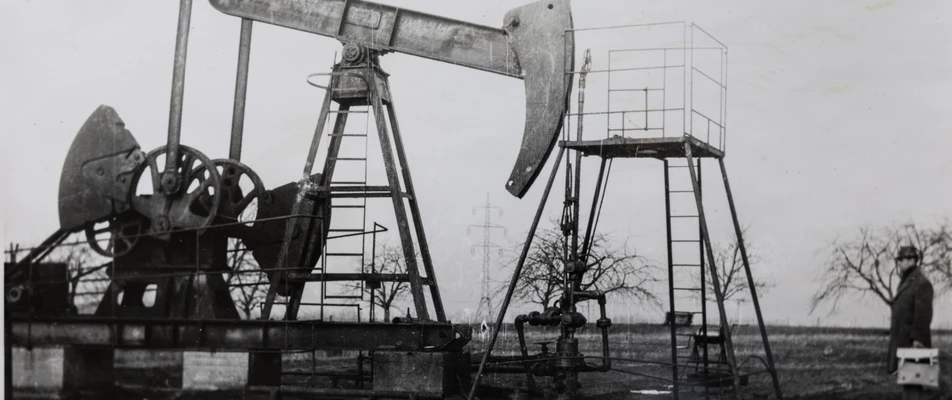
Oil production at the Lanžhot field ends after 70 years
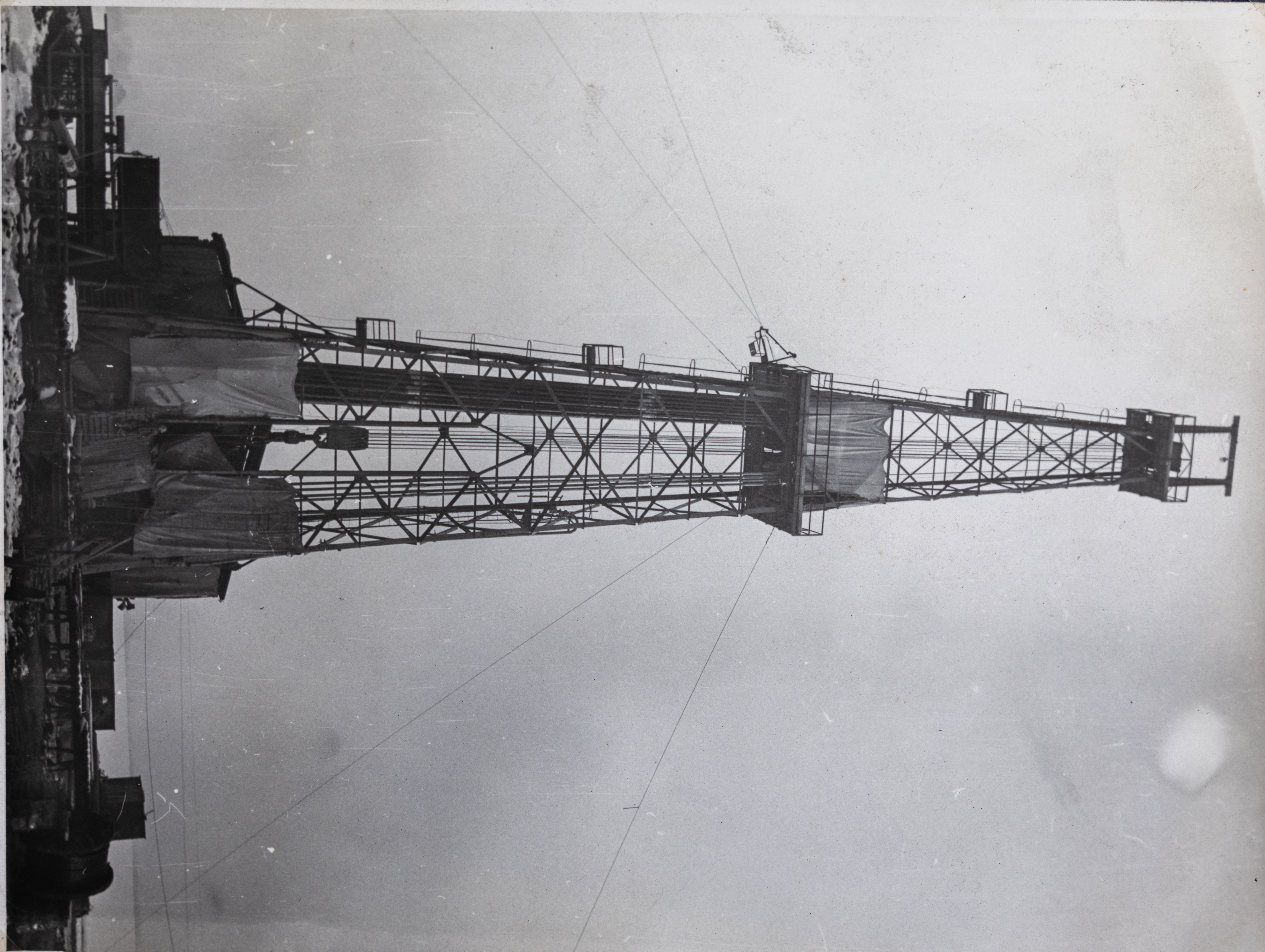
The site is awaiting reclamation and restoration to nature. After almost seven decades, mining at the Lanžhot deposit, the southernmost oil deposit in the Czech Republic, is coming to an end. In a remote forest area at the confluence of the Dyje and Kyjovka rivers, in a location that is located in a protected zone and whose administration is becoming increasingly demanding from a legislative point of view, only a few wells remain today. These will be gradually closed in the coming years and the entire area will be prepared for reclamation.
Deposit geologist Zuzana Piškulová explains that mining has been declining for some time. Individual wells have been gradually decommissioned, and now the company is closing the last ones. The first wave of decommissioning is taking place this year, and two more wells will be shut down by the end of the year. The remaining two will continue to extract the remaining reserves for a short time, but without any major interventions or repairs. The last significant repair took place two years ago, when one of the pumps was replaced. Due to the fact that the oil in Lanžhot is highly paraffinic, the pumps wear out faster than elsewhere, and in recent years, repairs have been carried out more frequently than would be sustainable in the long term.
"If any of the last wells fail now, it will not make sense, either economically or technically, to repair them, and the wells will be decommissioned," says geologist Zuzana Piškulová. The deadline for the complete cessation of production is 2027.
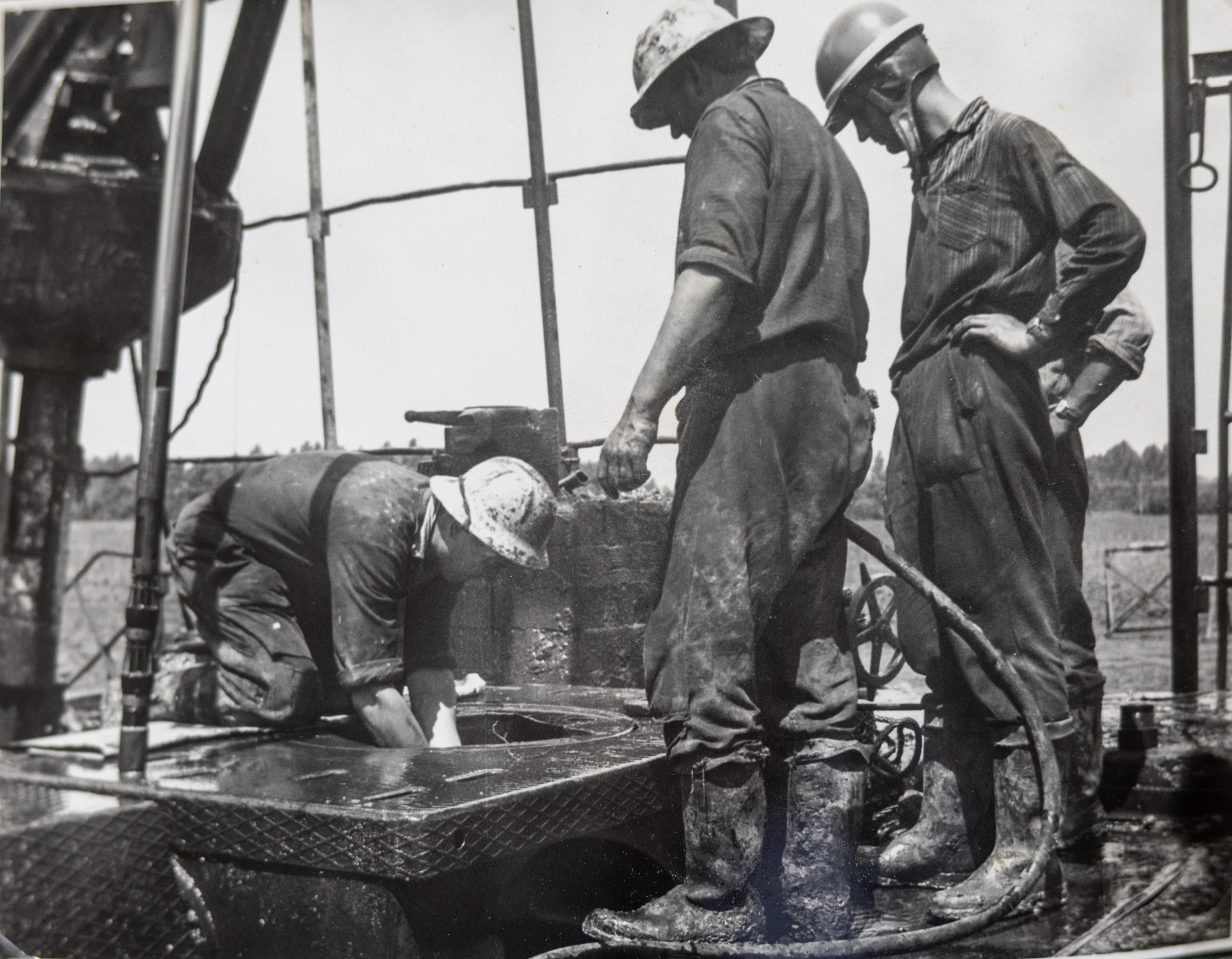
However, the end of extraction does not mean the end of work at the site. On the contrary, another complex stage begins – the decommissioning of wells and the reclamation of the area. This process, which represents the final phase of the life cycle of each well, consists of several processes including geochemical analyses, preparation of equipment, careful cementing and leak testing, and subsequent removal or sealing of casings below the surface. Only then is the site closed with a concrete cap and handed over to the landowners, who ensure biological reclamation. As part of standard procedure, the company usually covers the costs of landscape restoration for a period of three years. Each year, MND carries out an average of fifteen to twenty well decommissionings and reclamations, with total costs ranging from eighty to one hundred million Czech crowns.
Extraction was determined by the overflowing Dyje
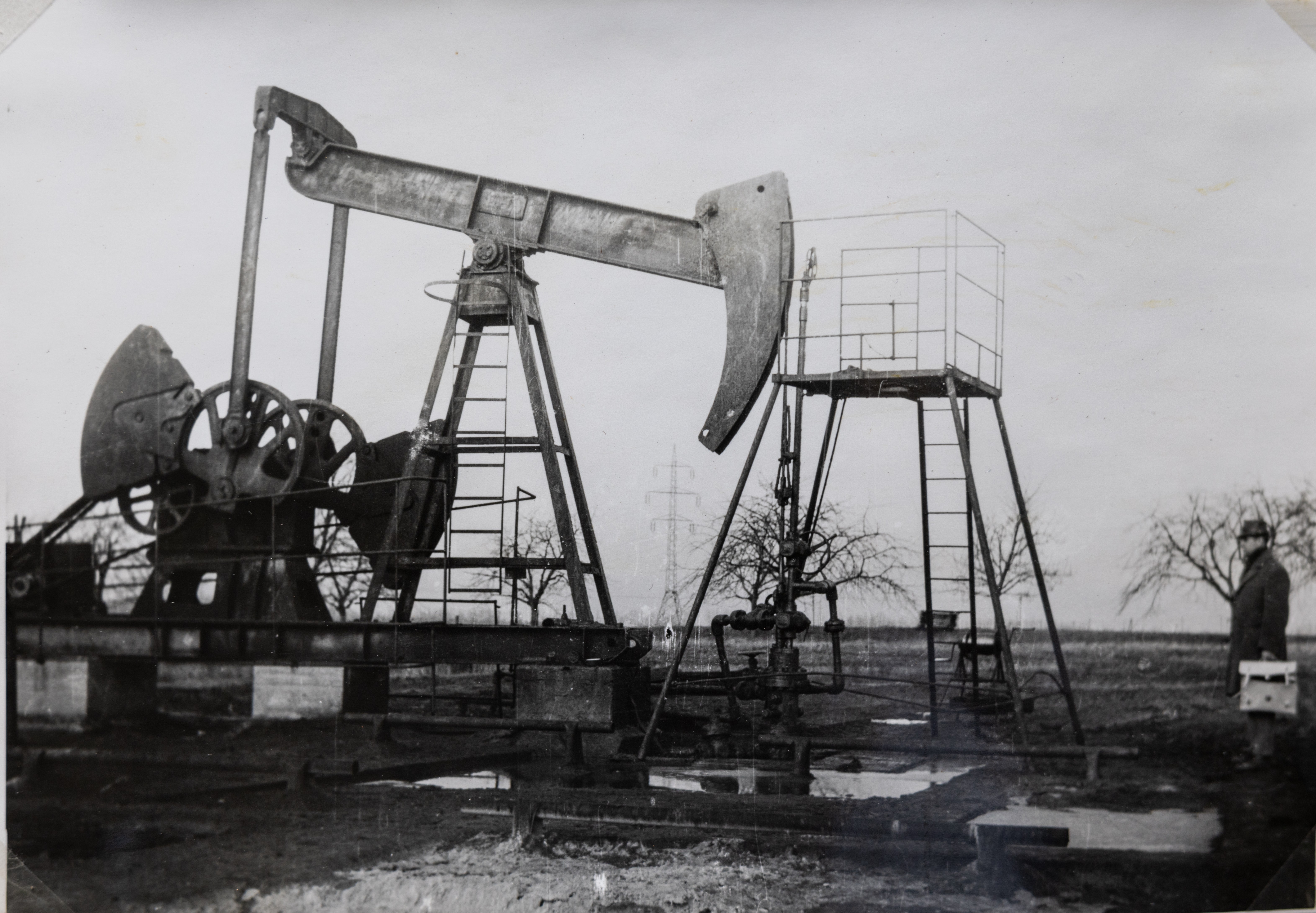
River This marks the beginning of the end not only for the operational chapter of the Lanžhot deposit, but also for its rich history. This site is located in a unique environment on the Czechia-Slovakia-Austria border, in an area that was part of a strictly guarded border zone for decades. Even before 1989, access was restricted to those with a pass, and the miners' lives were governed by the rhythm of the floods, when the waters of the Dyje River regularly inundated the entire forest area. The wells, which were about two thousand metres deep, were therefore protected by earthen embankments, which had to withstand several months of flooding every year.
Oil from Lanžhot was described in contemporary documents as "light, paraffinic oil of a kerosene nature with a high petrol fraction content." Over seventy years, a total of 107,000 cubic metres, or approximately 77,000 tonnes, were extracted here.
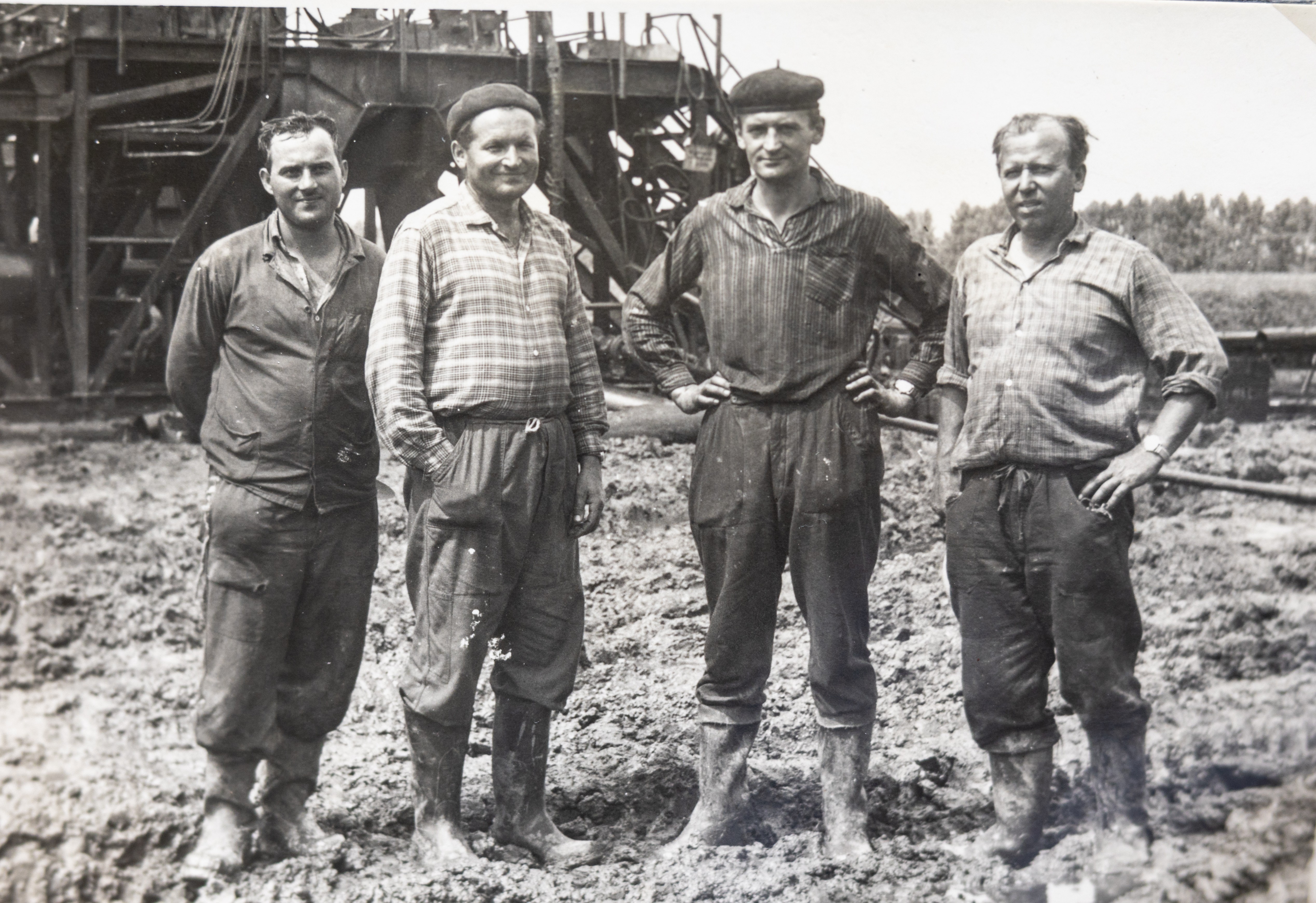
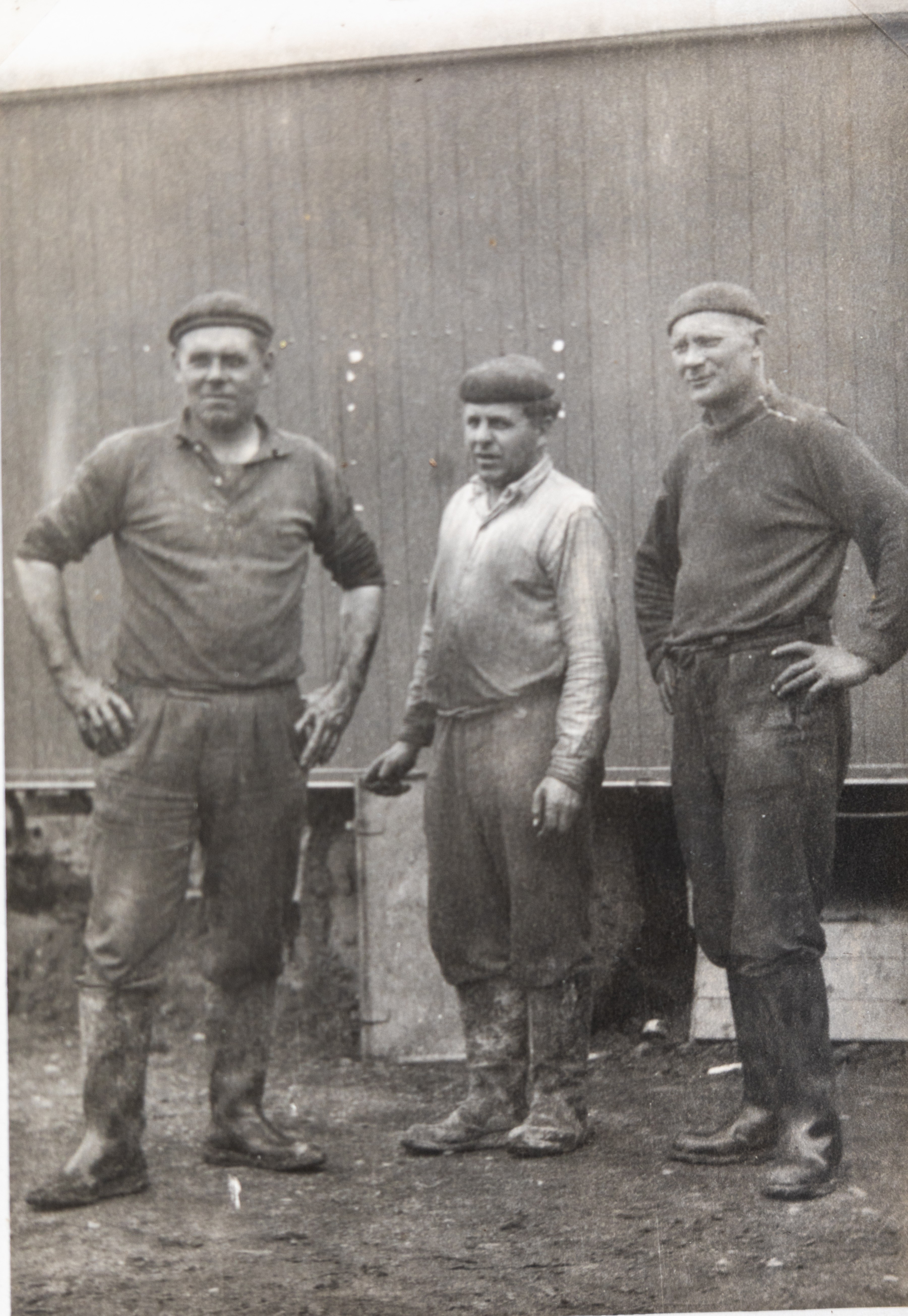
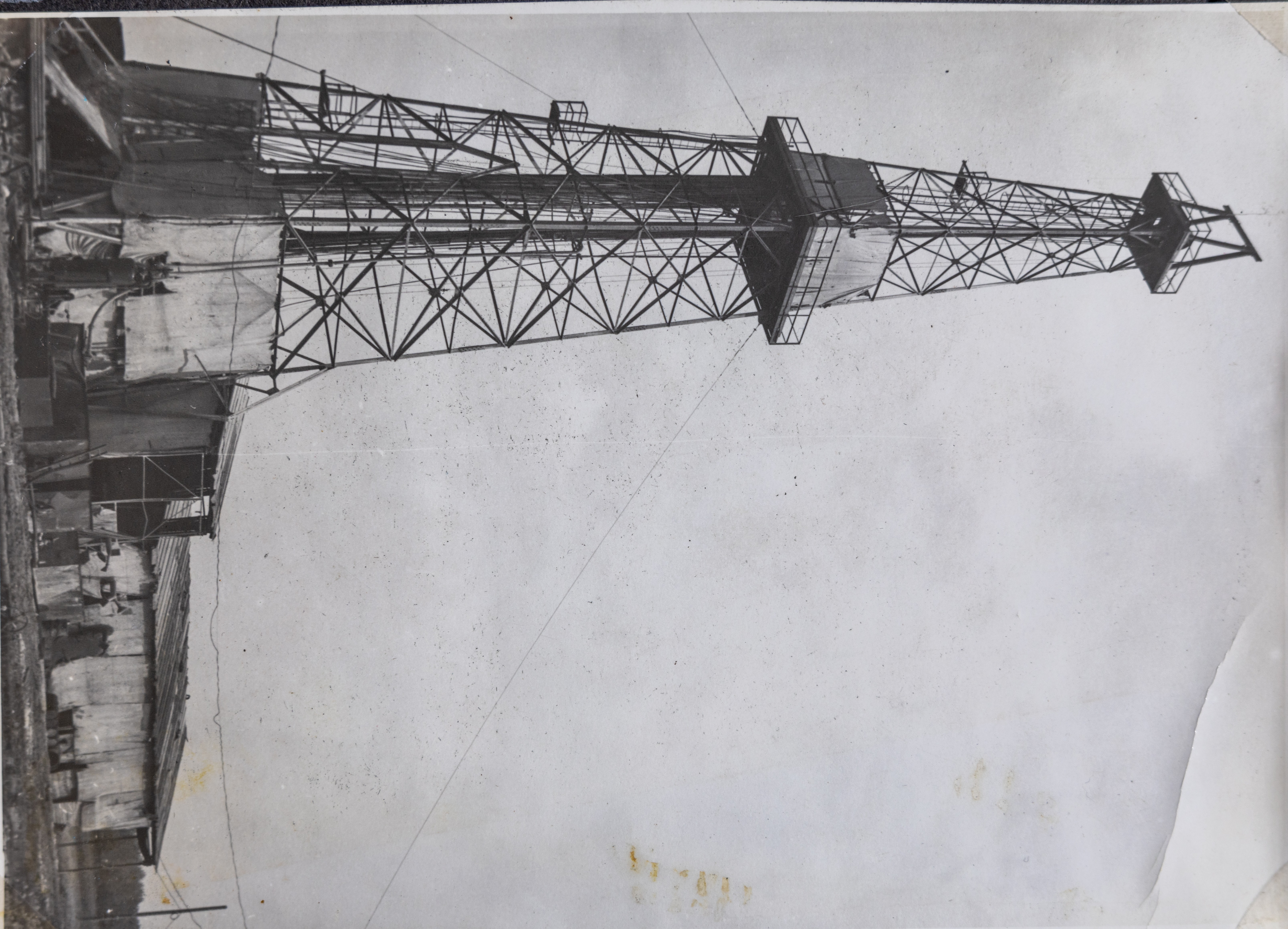
The history of the Lanžhot deposit is also the story of several generations of geologists, drillers and energy engineers. However, the first attempts at extraction are much older than 70 years. "The first records indicate that exploration began here as early as 1915. The well reached a depth of 1,268 metres and was the deepest well in Central Europe, so there must have been good indications that something could be found there. Probably some seepage. At that time, all the wells in the area reached depths of around 400 to 600 metres," says Stanislav Benada from the Oil Mining Museum in Hodonín.
Contemporary records note that the well was financed by the "Austro-Hungarian treasury," i.e. either the state coffers or the army. This was during the First World War, when oil was being extracted in Galicia, which was part of the Austro-Hungarian Empire, but where fighting was taking place, and the Romanian deposits were already running out.
"The discovery of the Gbely deposit on the Slovak side of the border was therefore significant, and the local wells supplied 50 per cent of the Austro-Hungarian refineries. There was therefore great interest in the development of other deposits in this area, and Lanžhot seemed very promising," says Stanislav Benada.
However, the results of exploratory drilling in 1915 were negative, and the area fell silent from an extraction point of view for many decades. During the Second World War, demand for local oil production rose again, and the German occupiers carried out shallow exploration in the Lanžhot area in 1942 and 1943. Again, there were no positive results, as the methods were not very advanced.
The golden sixties...
After 1945 and even into the mid-1950s, the idea that Czechoslovakia could be self-sufficient in oil persisted. At that time, modern seismic measurements were used for the first time in the Lanžhot area. Based on these measurements, the Lanžhot-2 well was drilled in 1956, the first truly successful well, which produced oil until 2000. The following decades brought major development – twenty-three wells were drilled here in the 1960s, six in the 1970s and only four in the 1980s. The last exploration activities took place in 2013 and 2014, when the La-37 and La-39 deviated wells were drilled.
Records show a rapid increase in production from 1957, when Lanžhot produced 403 tonnes of oil, to 1963, when production reached 8,000 cubic metres. "Since then, production has only declined, reaching just 1,000 cubic metres in 1973. This milestone was not surpassed until 1994, when production increased, reaching almost 3,000 cubic metres around 1998, before declining again," Stanislav Benada explains, referring to the graph.
Lanžhot is one of only two high-pressure deposits in the entire Czech Republic. Local conditions resulted in twice the pressure compared to normal deposits, which brought with it a number of technical complications. One of the most problematic was the Lanžhot-3 well, which experienced significant gas emissions. Salt water with gas began to flow out of the well under high pressure, and the drillers had to intervene immediately. The well was closed and filled with barite, but because the technology at the time did not allow for a safe solution, it was eventually covered with a heavy concrete "sarcophagus" as a temporary measure. Its final disposal did not take place until after 2002.
Today, extraction at Lanžhot is no longer economically viable, and its technical security would be increasingly demanding. The closure of the deposit and subsequent recultivation thus represent a natural end to one of the longest-running chapters in the Czech oil industry.
The site will gradually return to nature – as quietly as its modern era began seventy years ago.

Editor-in-Chief
Other articles

An IT guy who goes to the vineyard to clear his head
The road above Moravský Žižkov comes to an end, and from there on, the only way forward is a path winding through the rows of vines. It is here that Milan Svoboda ‘clears his head’ after work. During the day, he maintains servers and manages cloud systems and their security; in the afternoons, he picks up his secateurs and tends to the vineyard.
The new look of the Úprkov site
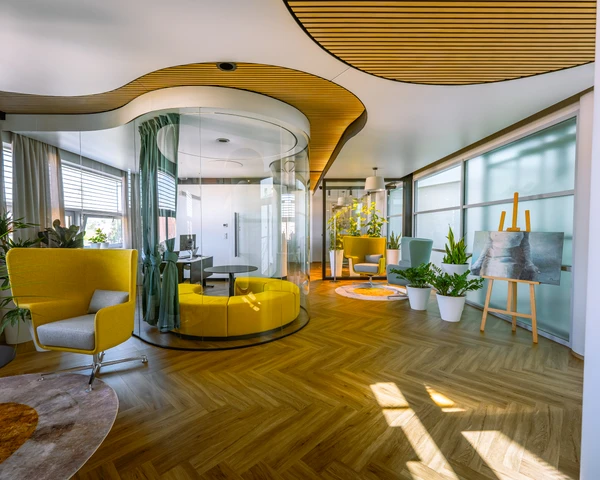
The refurbishment of the MND site and building on Úprkova Street is gradually transforming the working environment to better meet the current needs of both the company and its staff. This is not merely a technical upgrade – the project specifically combines functionality, aesthetics and the community aspect of the space. The transformation of the site is not taking place in a single phase. The refurbishment of the interior spaces has been underway since 2024 and also includes technical aspects such as the modernisation of the heating system. The modifications to the outdoor area are based on an architectural study prepared by Jung architekti at the end of 2025.
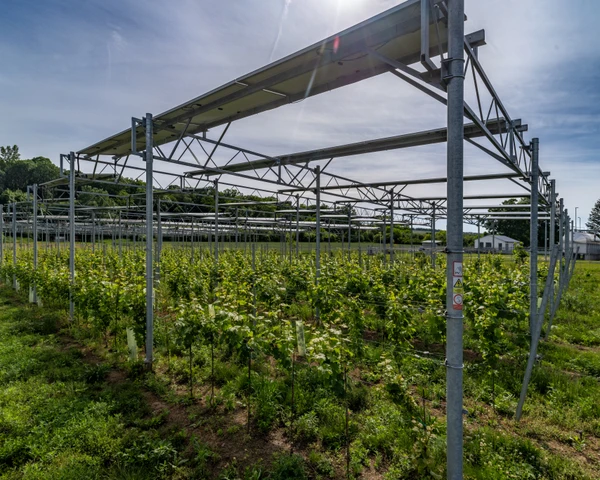
Poddvorov 27 – A reclamation project with a future
Perhaps no other MND site better illustrates the successful reclamation of land following the end of mining operations. The site of the former Poddvorov 27 borehole now serves as an example of how an area left behind by mining operations can be given a new purpose and actively utilised once more – in the form of a modern agrovoltaic concept.