Oil on the rails
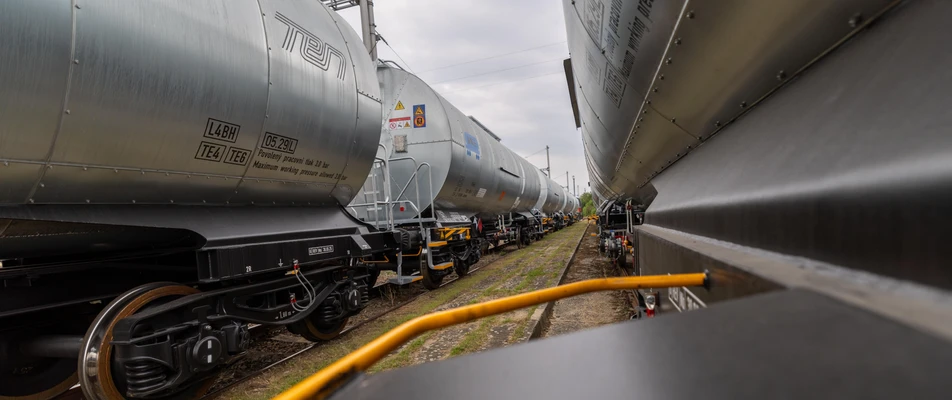
Four times more crude oil than before is sent by MND from the Lusatian railway station to Kralupy nad Vltavou these weeks. The reason for this is the termination of transport via the Druzhba pipeline. All the crude oil produced must be transported by tanker - first by truck, then by rail.
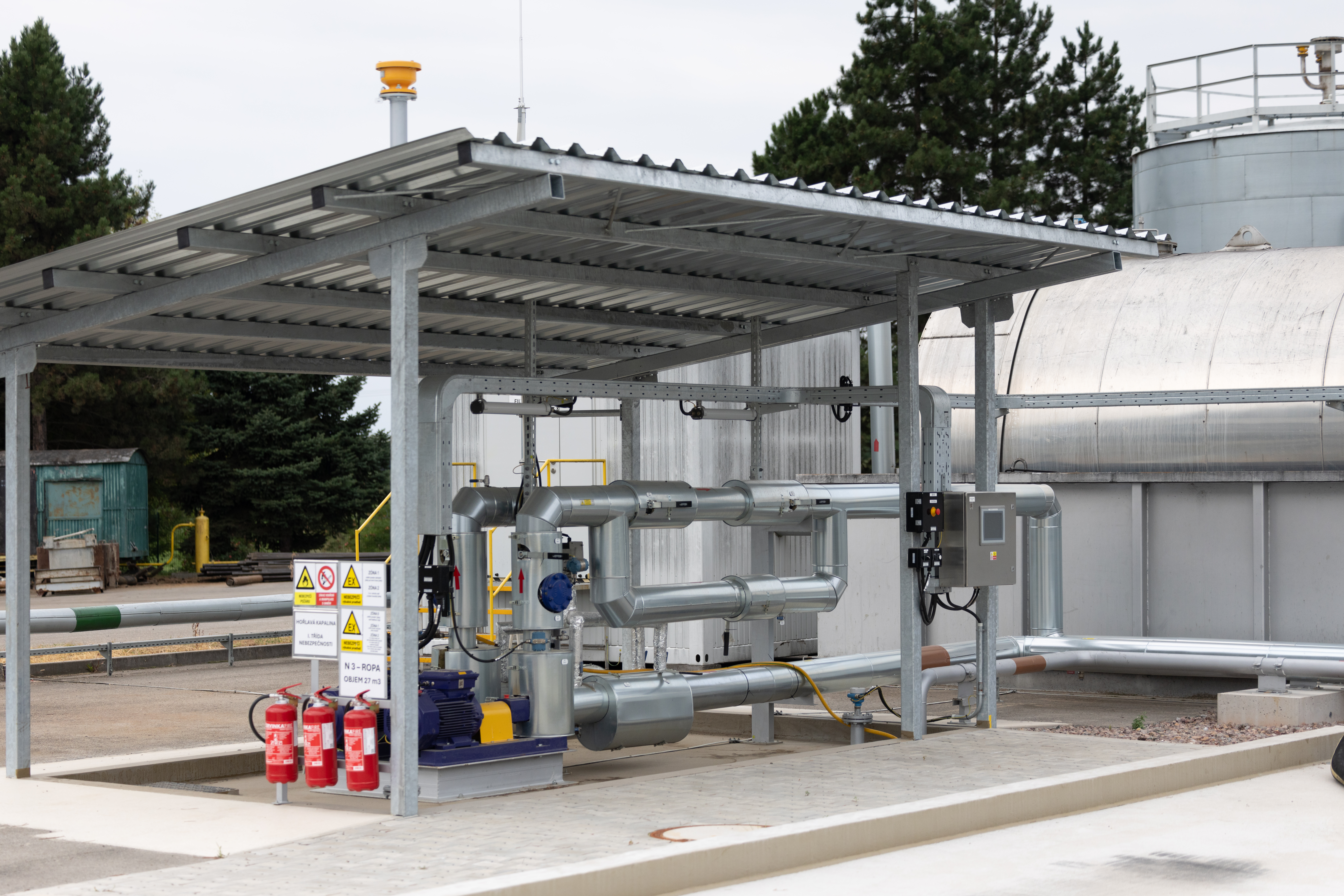
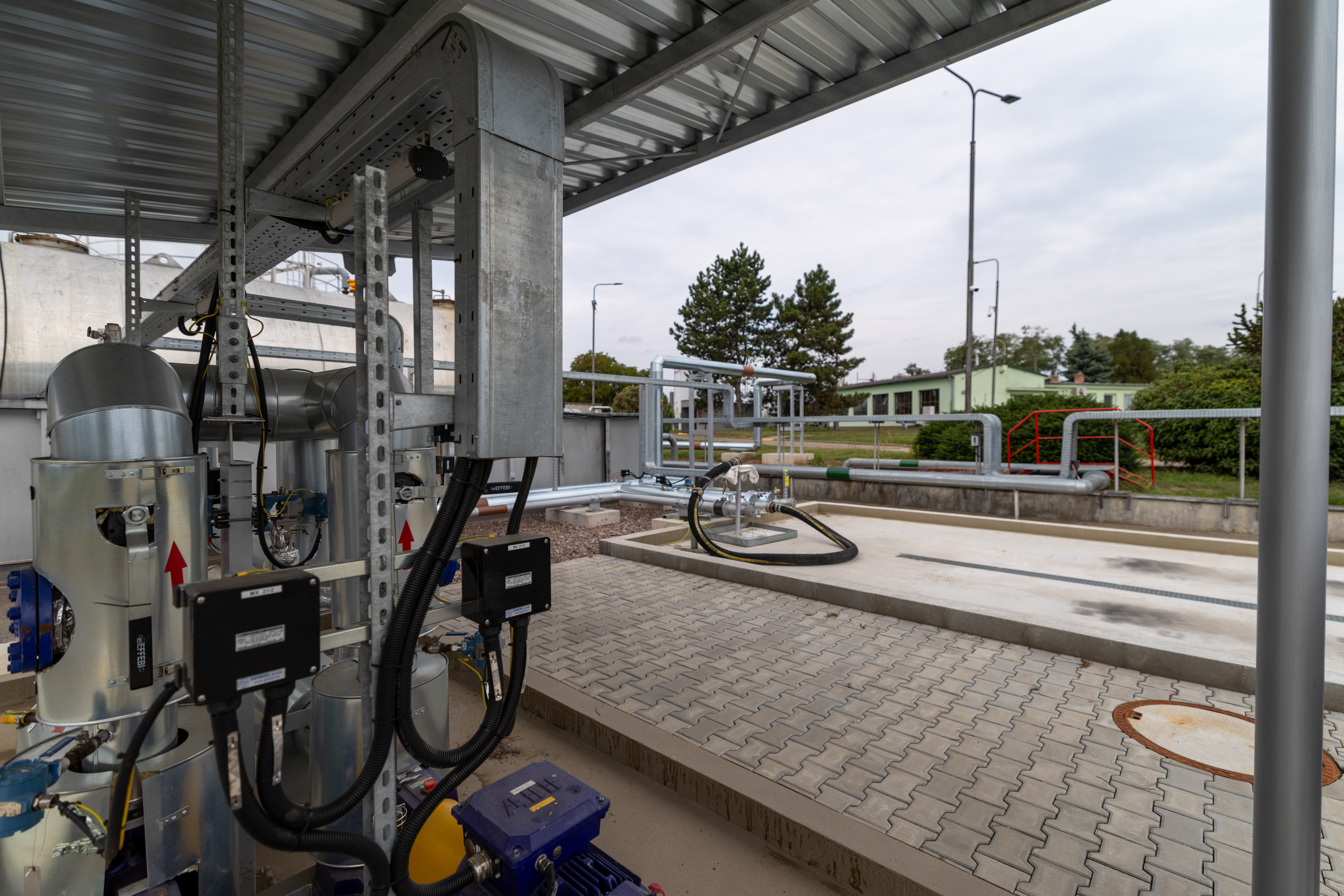
A tanker with 30 cubic metres of oil arrives three times a day at the MND site in Lužice, where a completely new bottling station has been built. Normally, the oil still has to go through dewatering, but the oil from Uhřice is already arriving free of water. This saves capacity quite significantly, because the extracted oil has about half the volume of water. From the bottling plant, the clean crude goes straight into the 680 cubic metre "H" tank.
"From here, we send the crude oil via a direct pipeline to the neighbouring station, where it is filled into railcars four times a week," says Petr Komosný, head of the Lužice centre. Until March of this year, when Družba ceased to operate, about 280 cubic metres of oil flowed from here to the station every week. Now it is around 1,120 cubic metres, four times as much.
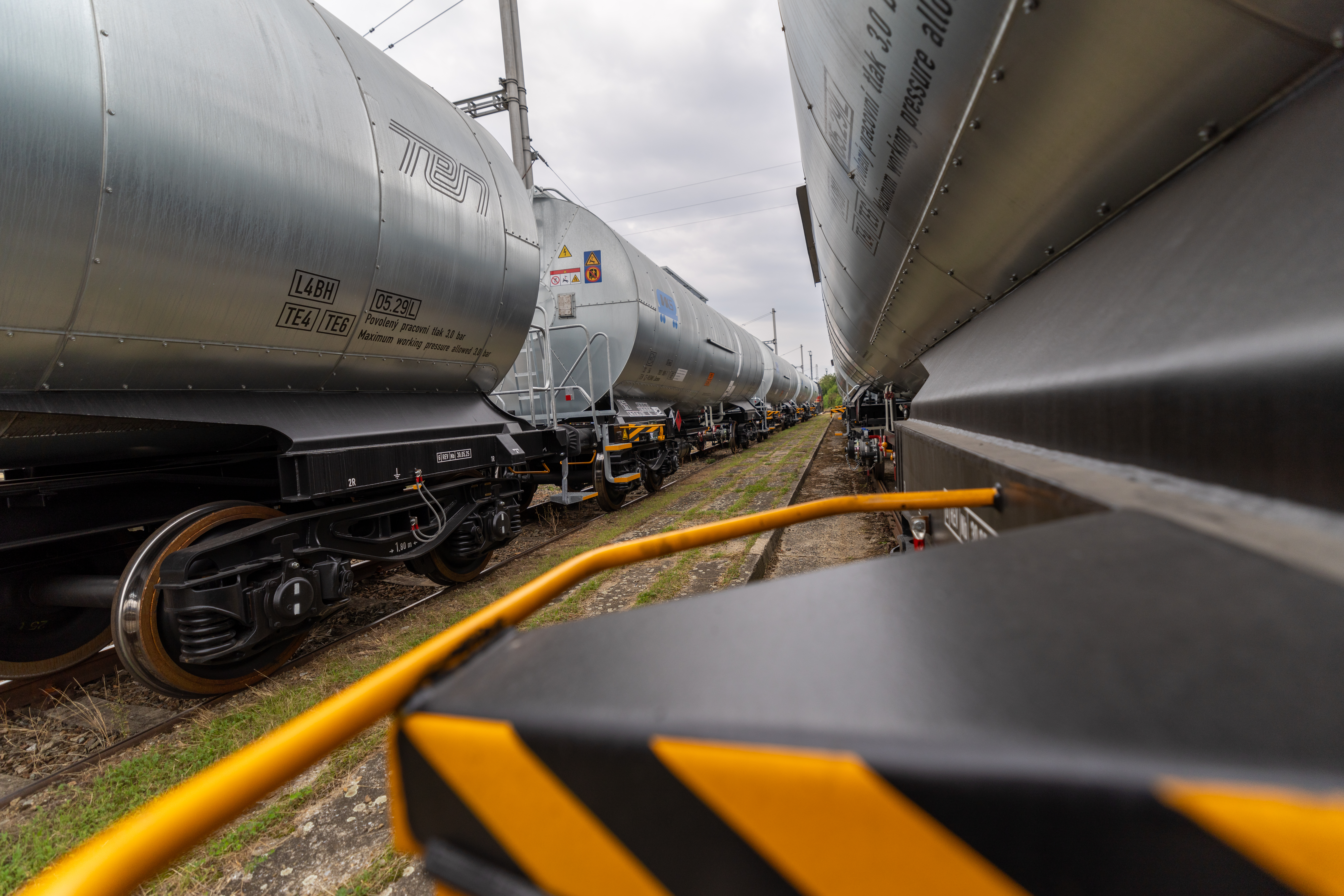
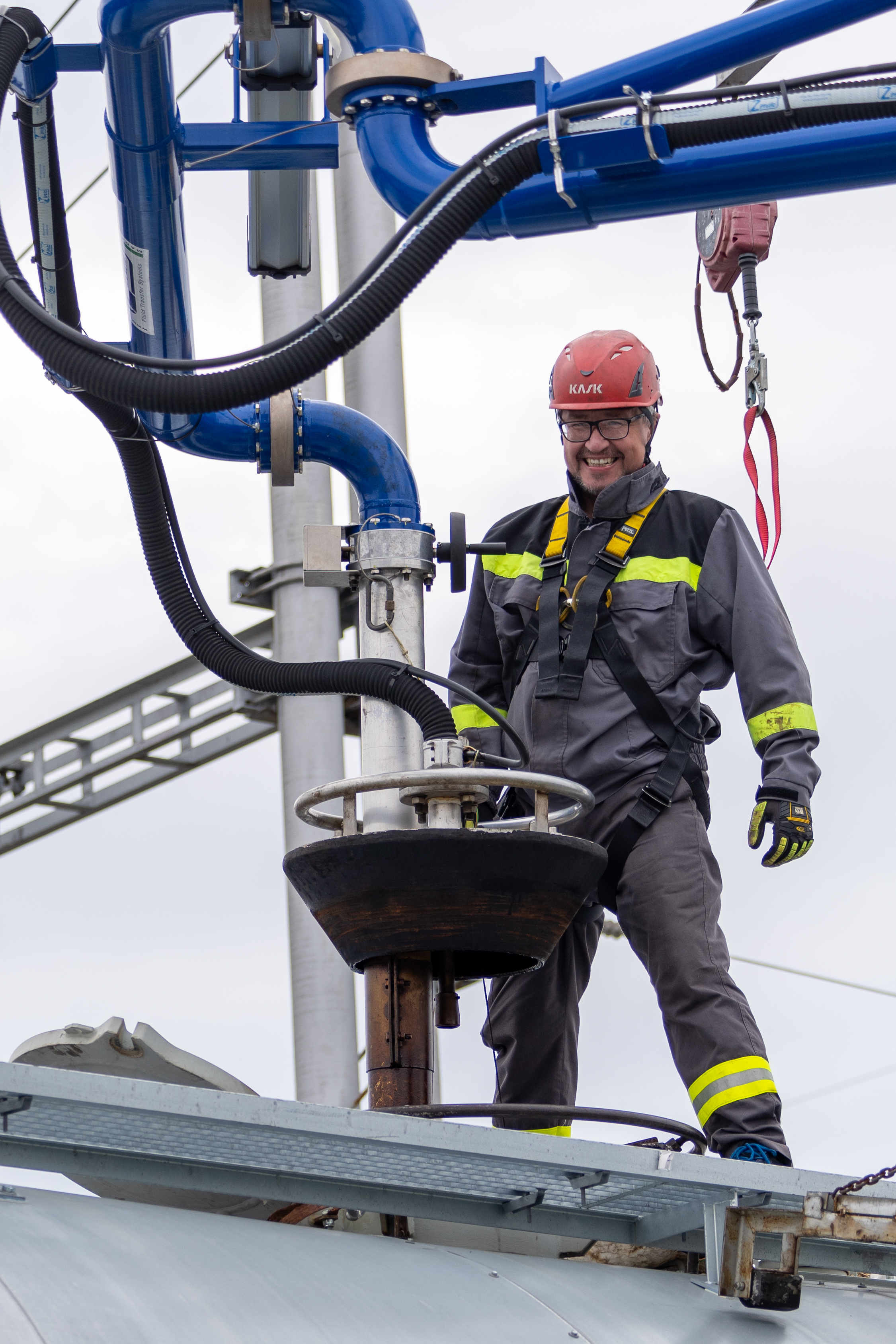
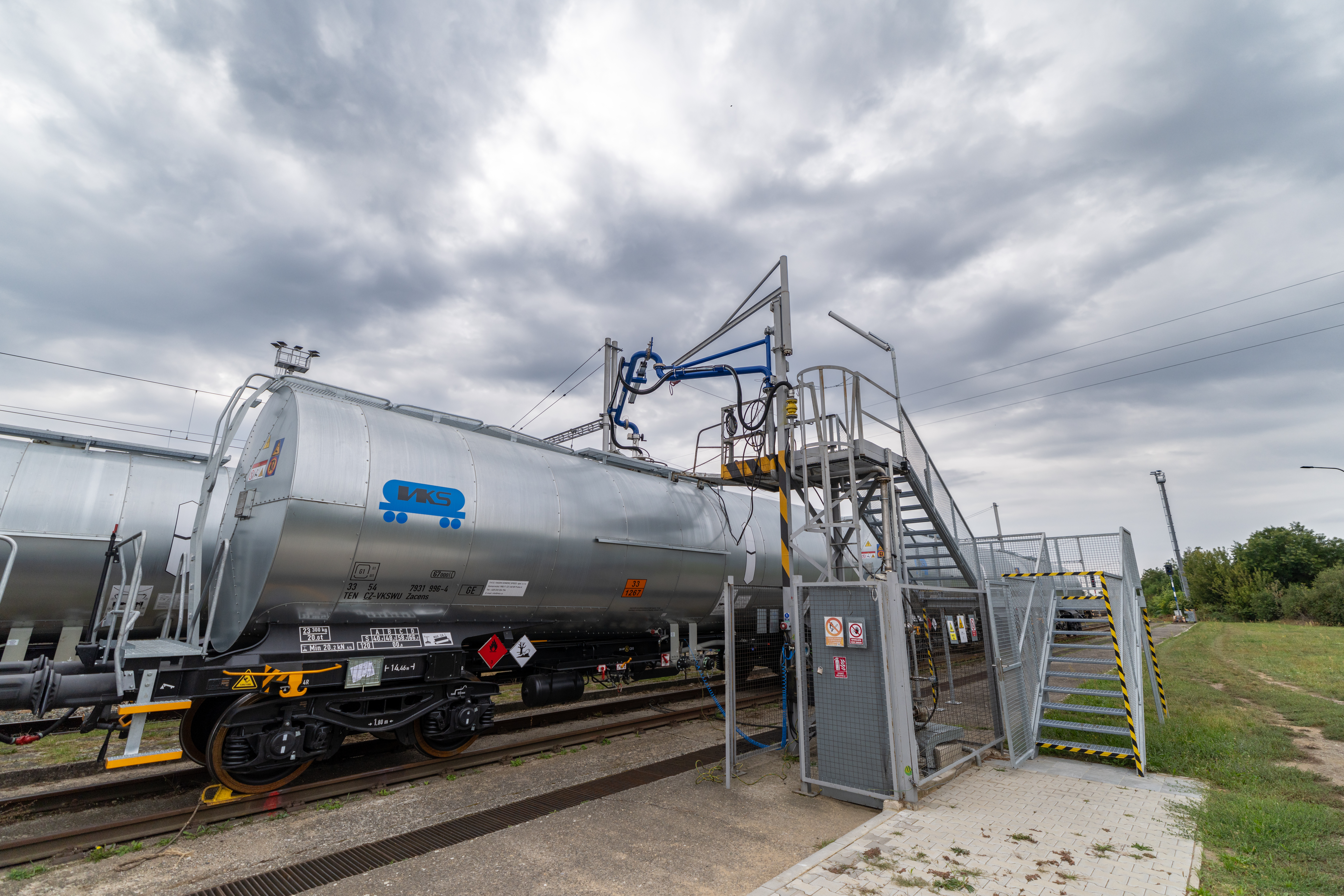
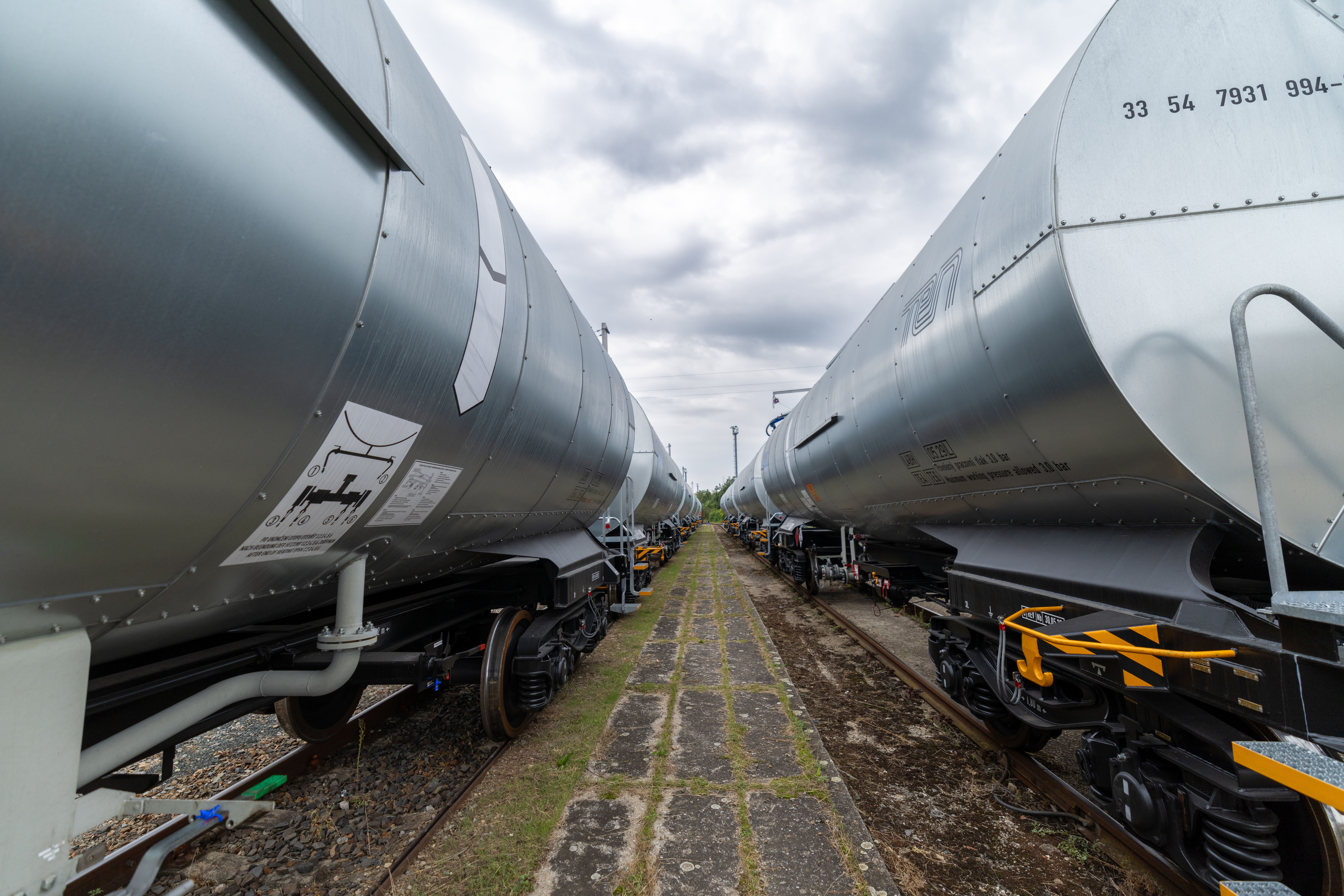
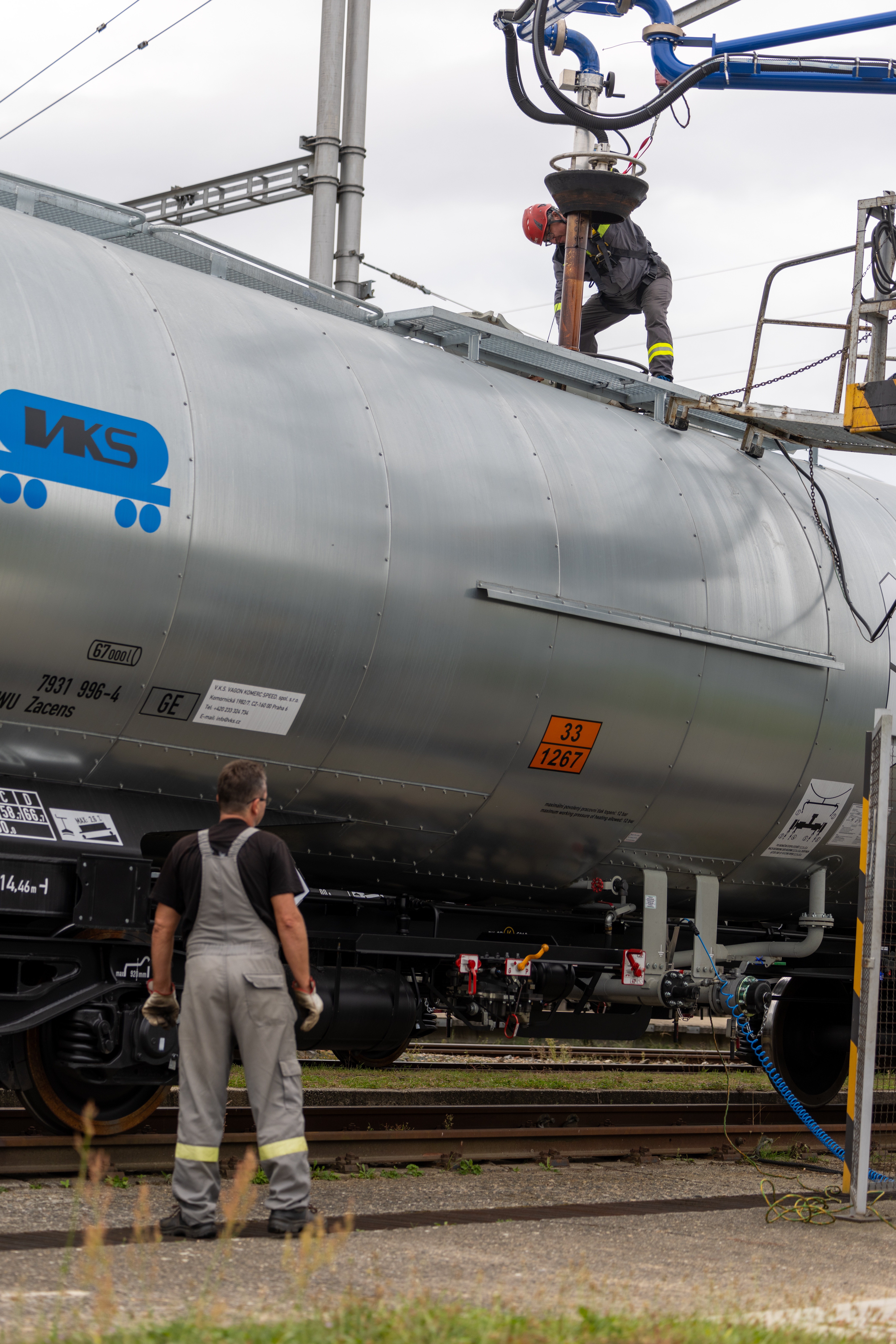
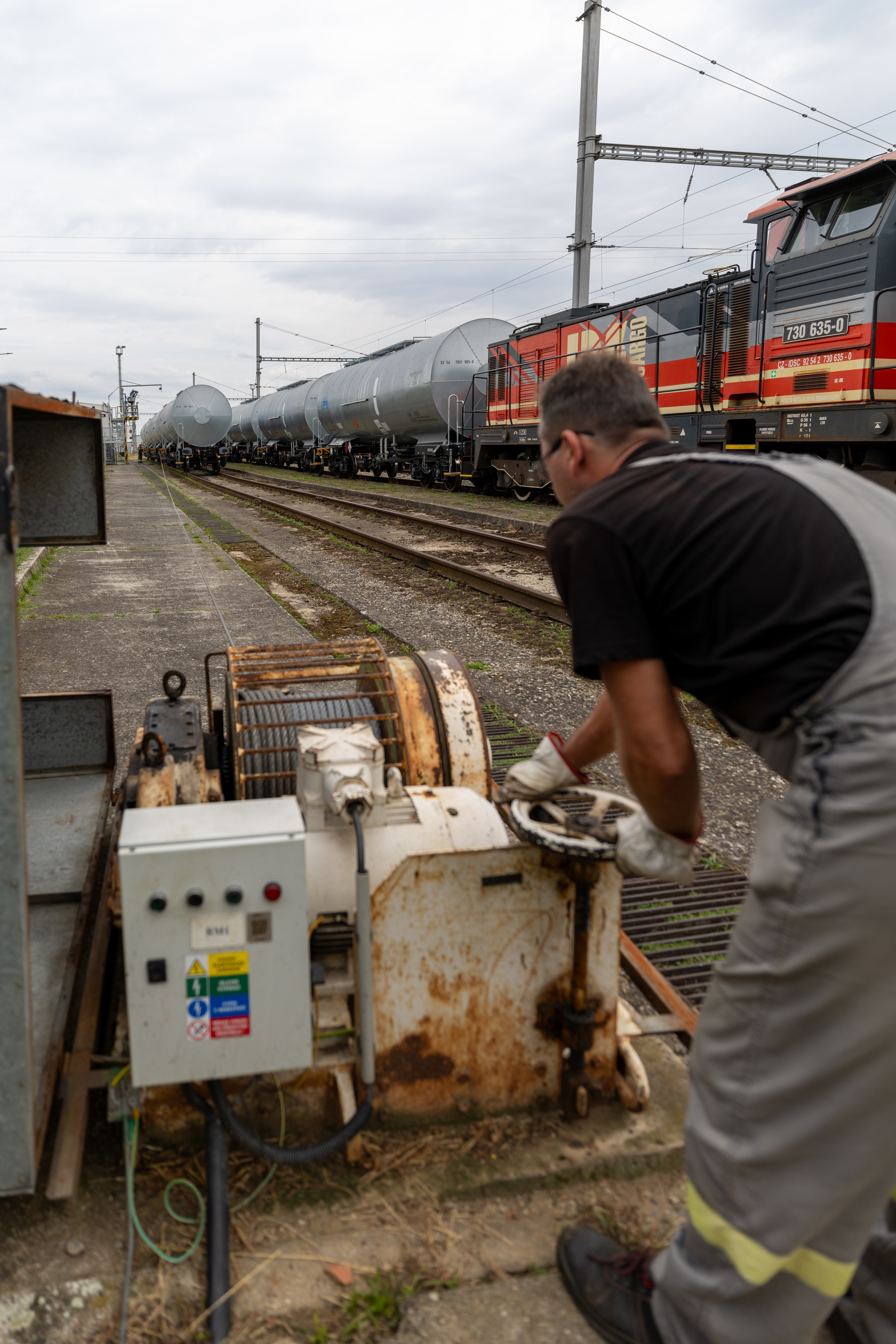
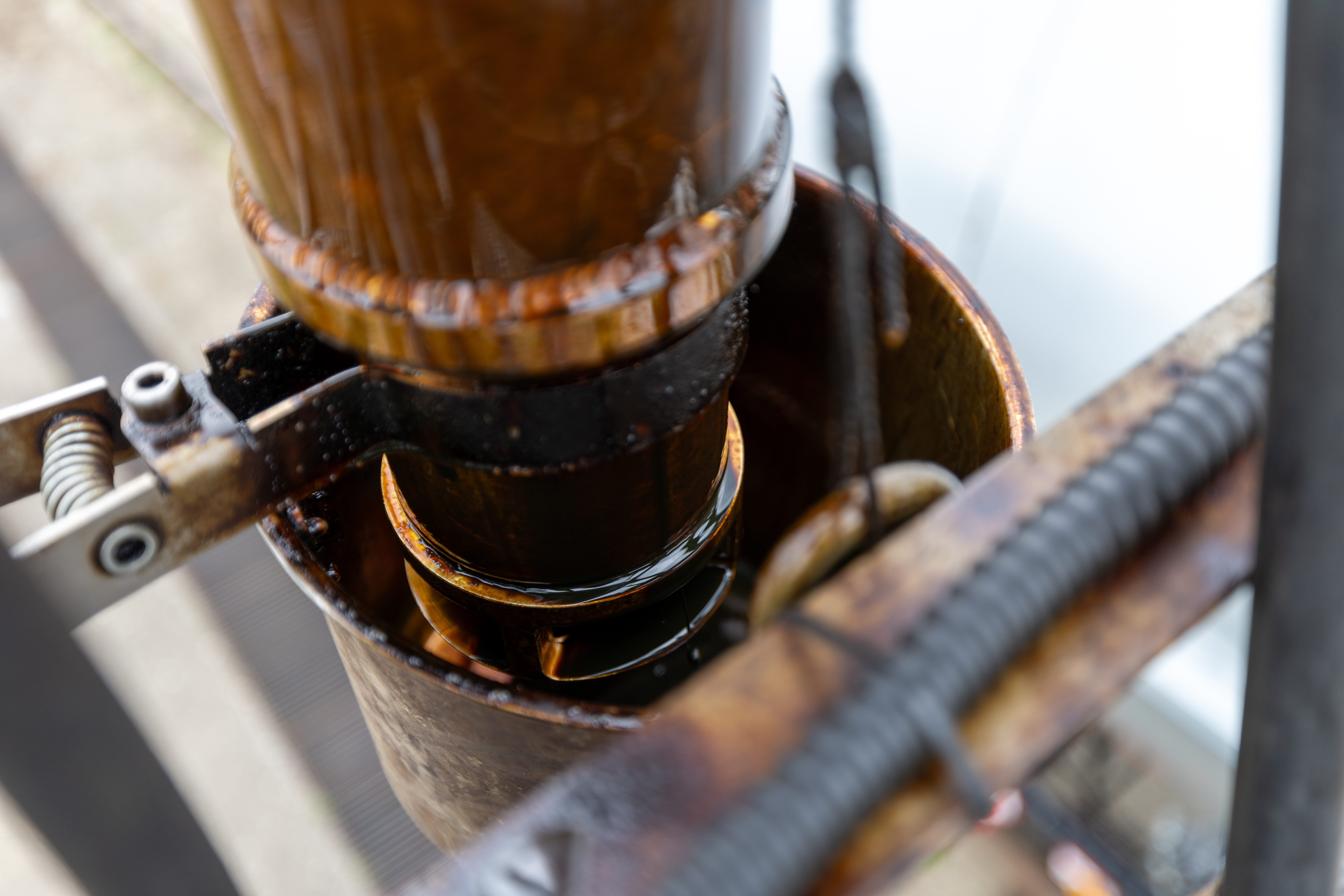
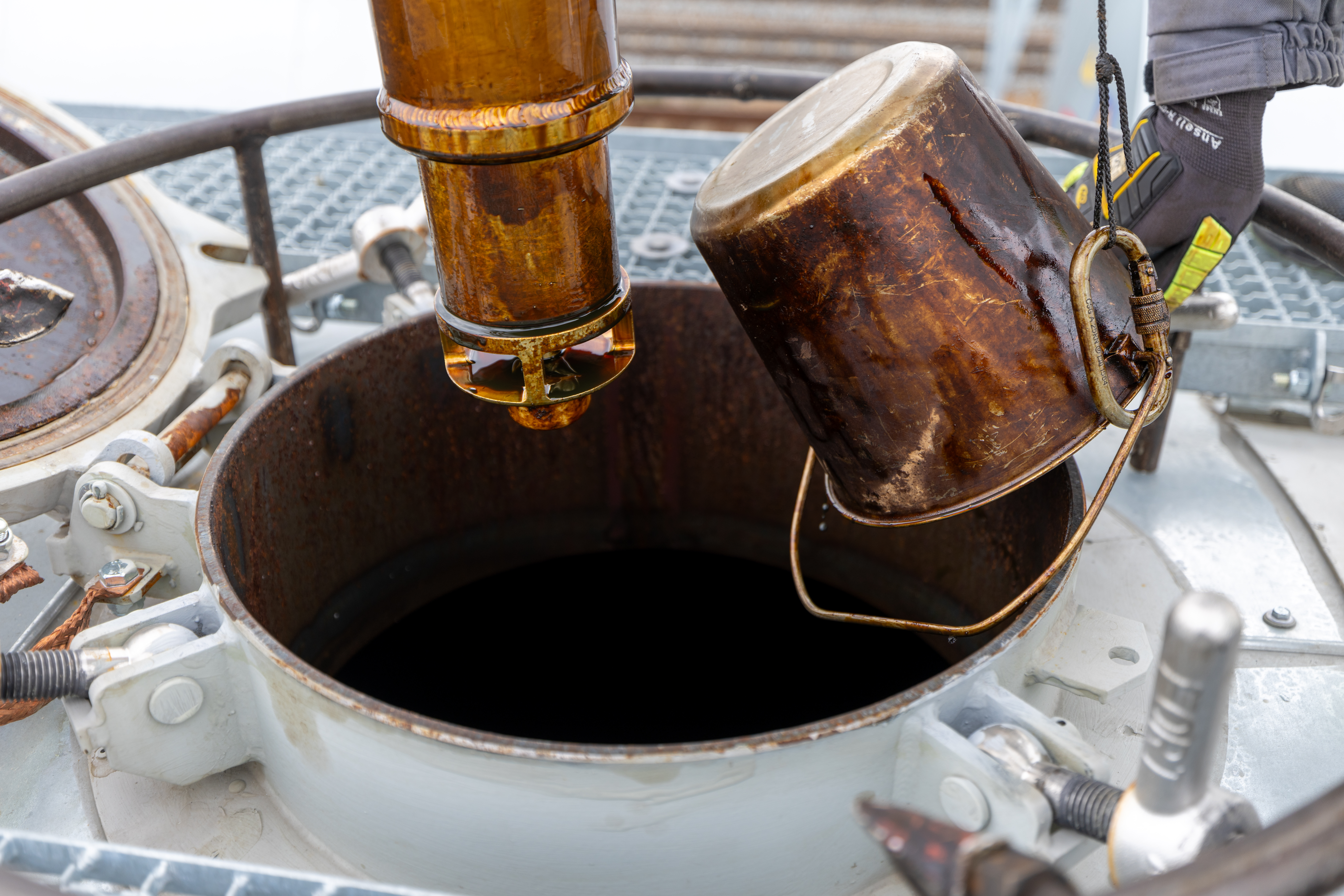
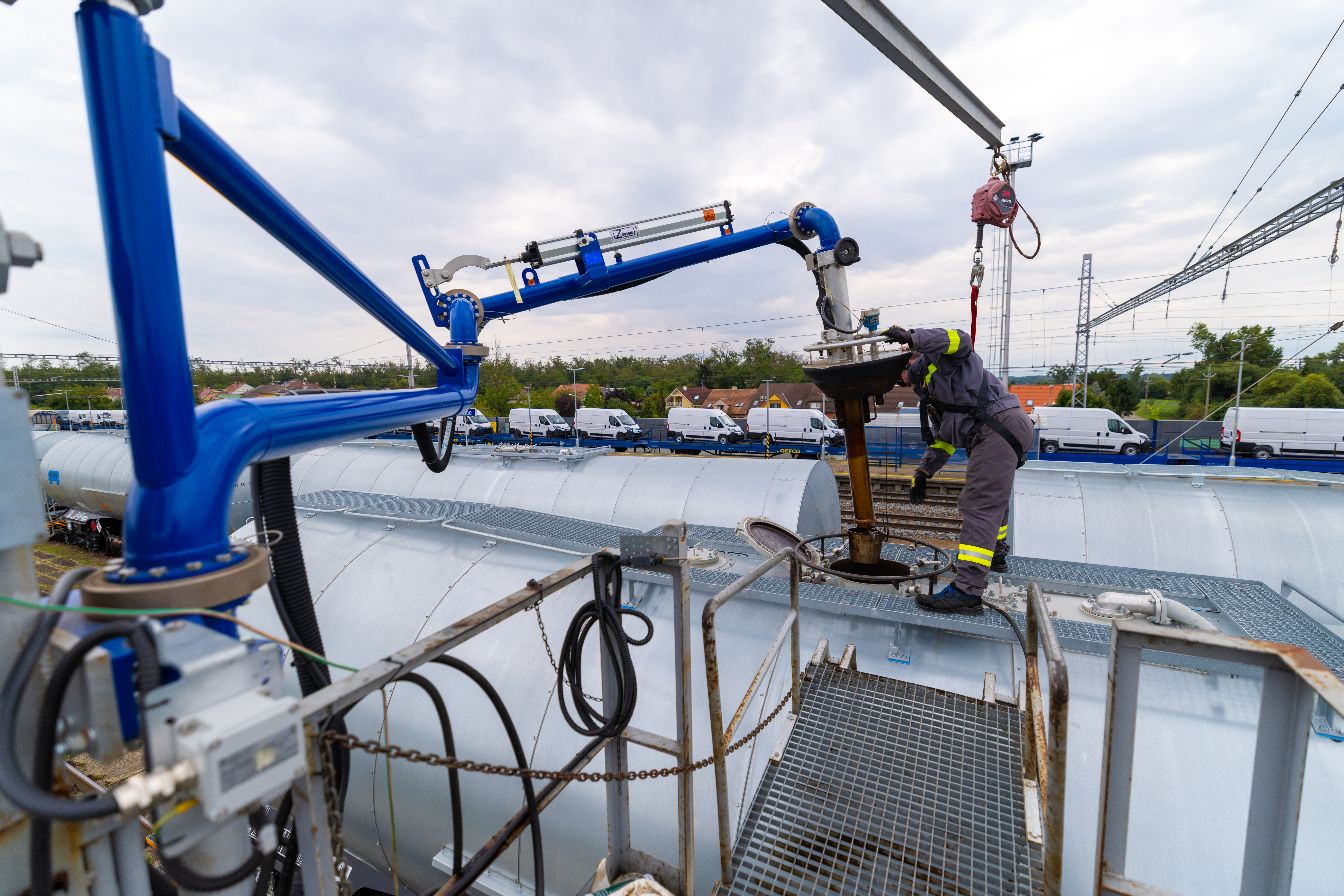
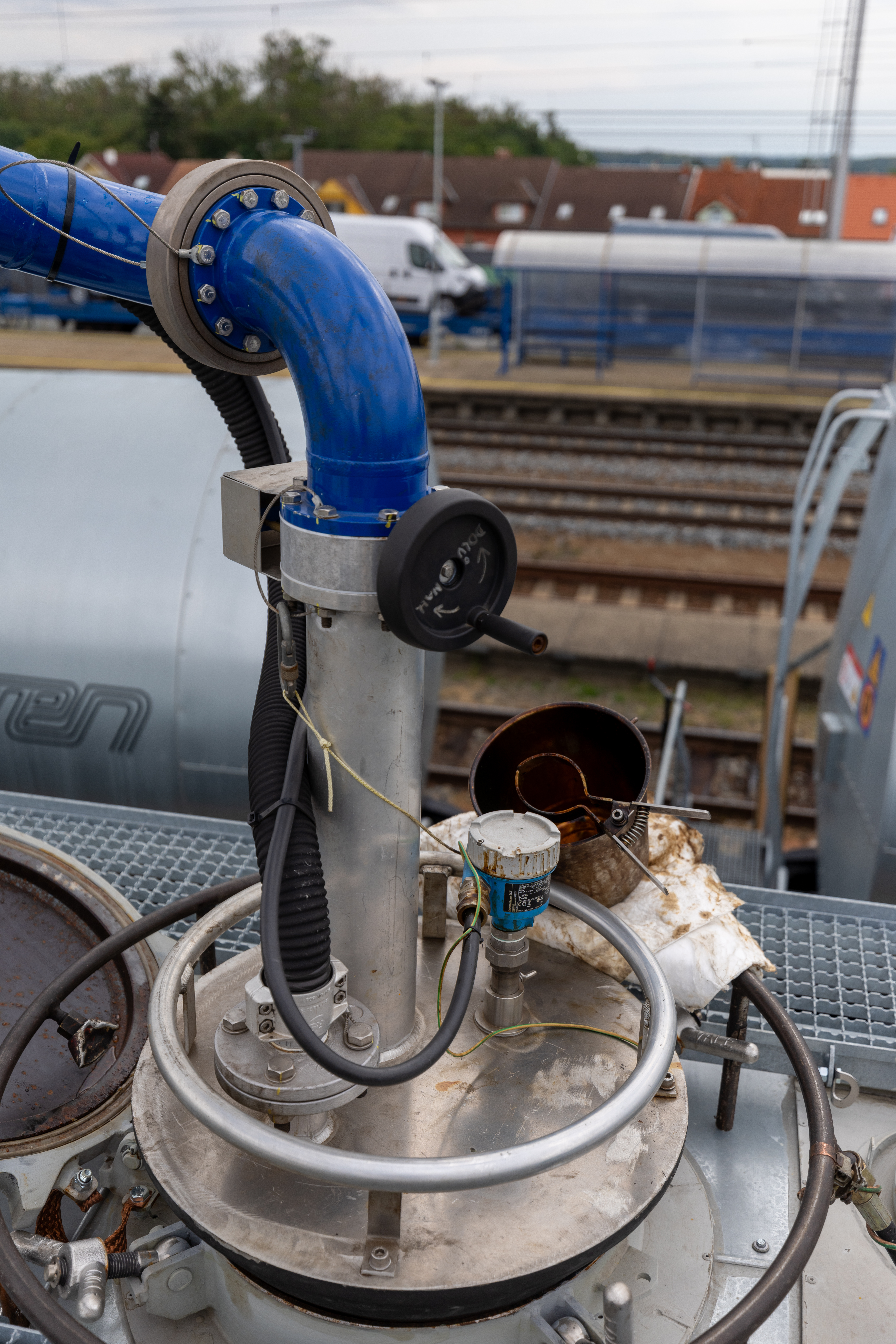
A worker moves the rack with a tilting arm over the carriage and starts the actual filling. It takes about an hour to fill one 63-cubic-cubic-wagon. A second worker then uses a winch to move another wagon to be filled, no locomotive is needed. "We send complete trains from Lusatia, i.e. 20 wagons," Petr Komosný shows a prepared train at the Lusatian station. In total, 1,260 cubic metres of oil are on the way.
At first glance, the wagons at the Lusatian railway station catch the eye. They shine with newness.
"The empty and full wagons are transported once every seven to ten days. In total, 40 new rail tank cars had to be secured. The tankers are leased by the customer, i.e. Orlen Unipetrol, and are newly manufactured rail cars in the highest safety class of transport," says Radim Ciprys, director of the economic department.
However, transporting crude oil by rail is nothing new for MND. Even when the pipeline was in operation, approximately half of the production travelled this way. And before the pipeline was connected, the raw material from Uhřice also travelled this way, but it was logistically easier. "We have been transporting from Lusatia and Nemotice by rail since time immemorial. Oil from Uhřice was also transported by train before the connection to the Družba pipeline - specifically from the Uhřice station. However, this line was closed twenty years ago," adds Director Radim Ciprys.
And how long will the railway transport of Uhřice crude oil last?
"Nobody knows, the prerequisite is the end of the war and the lifting of sanctions on the purchase of Russian oil," adds Radim Ciprys.

Editor-in-Chief

Other articles
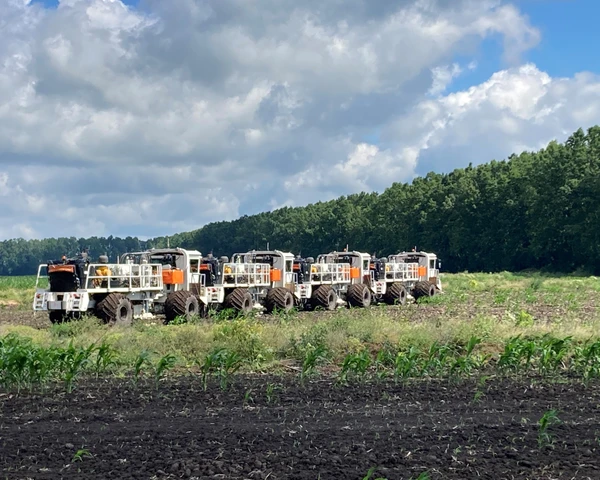
"For the first time, I saw what a Russian missile flyby looks like on seismic footage"
Last year Pavel Kratochvíl participated as a geologist from Hodonín in 3D seismic measurements on the Zukivska licence in the Poltava region in eastern Ukraine. In the interview he describes his experiences from the trip and the specifics of working in the area crossed by missiles.

Introduction of MND Ukraine team
MND Ukraine consists of a group of several companies. Today the main company in Ukraine is the company Horyzonty. MND Ukraine owns exploration and production rights from a total of eight licenses covering an aggregate area of almost 400 square kilometres and with a daily production of 500,000 cubic metres. MND's activities are currently managed by 59 colleagues.
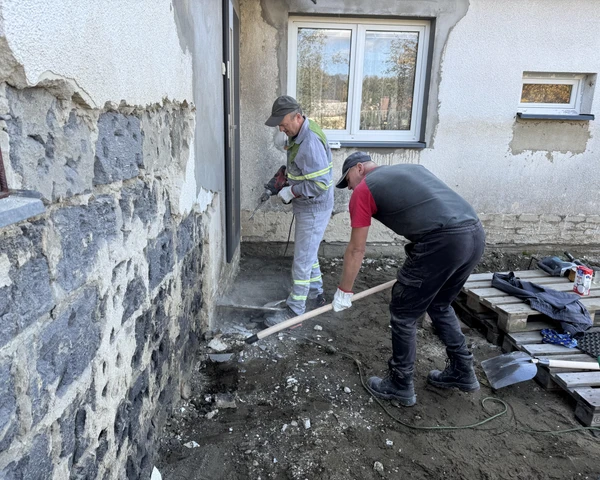
Flood relief in Mikulovice: A day full of solidarity and determination
In October, colleagues from MND Energy Storage set out to help people affected by the floods that swept through the Czech Republic and caused particularly severe damage in northern Moravia. Magda Lengálová has written a report for the readers of the Report, which can also serve as an inspiration - for example, to help the damaged municipality financially.