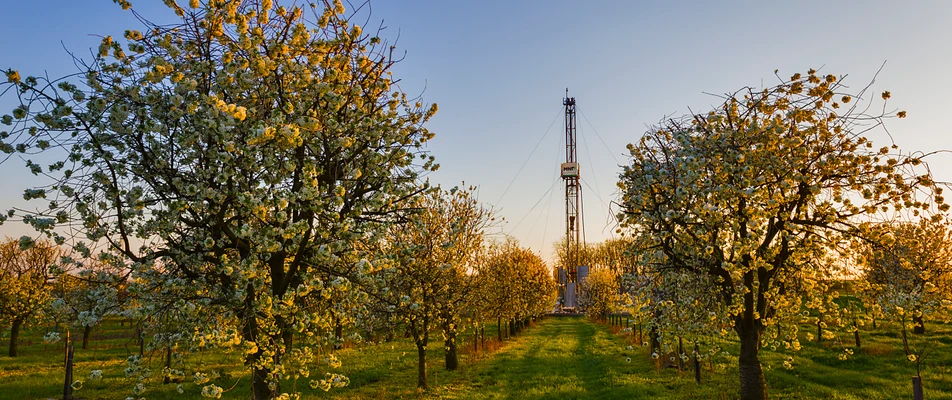
The life cycle of a borehole ends with reclamation. What does it involve?
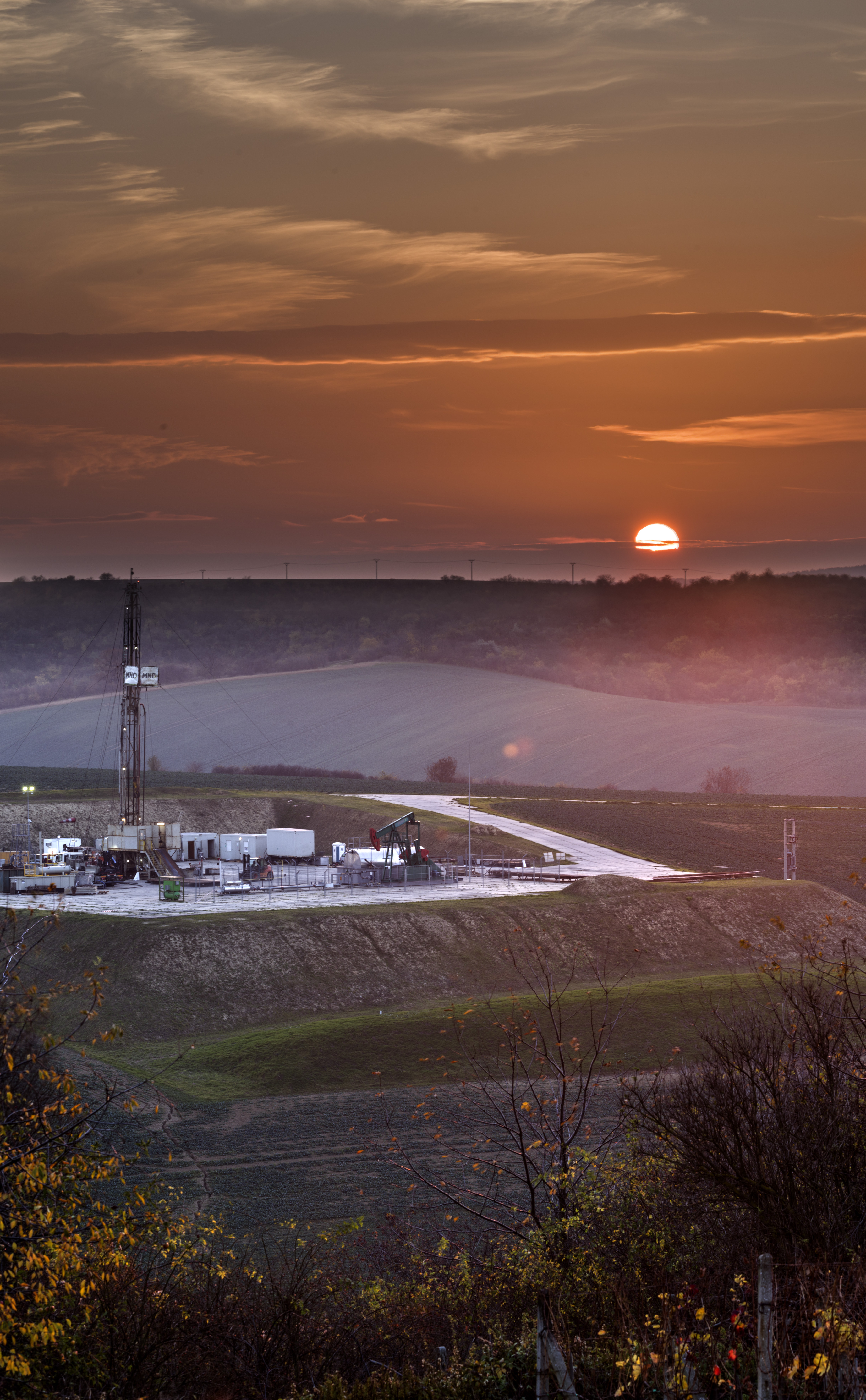
The drilling and subsequent disposal of the probe is a fascinating process that can be likened to the life cycle from birth to death. Every well, whether exploratory or production, has its own life story. Repot is now bringing you a series that will present interesting reclamations of our specific sites one by one. But in this issue, let's talk in general terms about what such reclamation looks like, why it's done in the first place, and how much it actually costs.
The birth of the borehole
It all starts with the drilling of an exploration or production well. This then "lives" its life, which can last from a few years to several decades. The average life of an active well is between 5 and 40 years, depending on the size of the deposit.
End of life
Once the reservoir is produced, the well loses its function and becomes a financial burden for the company. It is time to dispose of it. This process involves several steps to ensure safety and minimize environmental impact.
The disposal process
- Analysis: the Geochemistry Department performs sampling and analysis for possible petroleum contamination in the soil.
- Preparation: a ground probe repair (POS) rig arrives on site.
- Equipment Removal: The original well machinery is removed.
- Cementing: The well is cemented and the cement bridge is carefully tested for tightness.
- Filling: The casing of the borehole is filled to the surface with cement mixture.
- Cutting and welding: The casing is cut 1.6 to 1.8 metres below the surface and welded with steel plates. A probe number is welded onto the last plate and the whole process is finished with a concrete cap.
Land reclamation and return
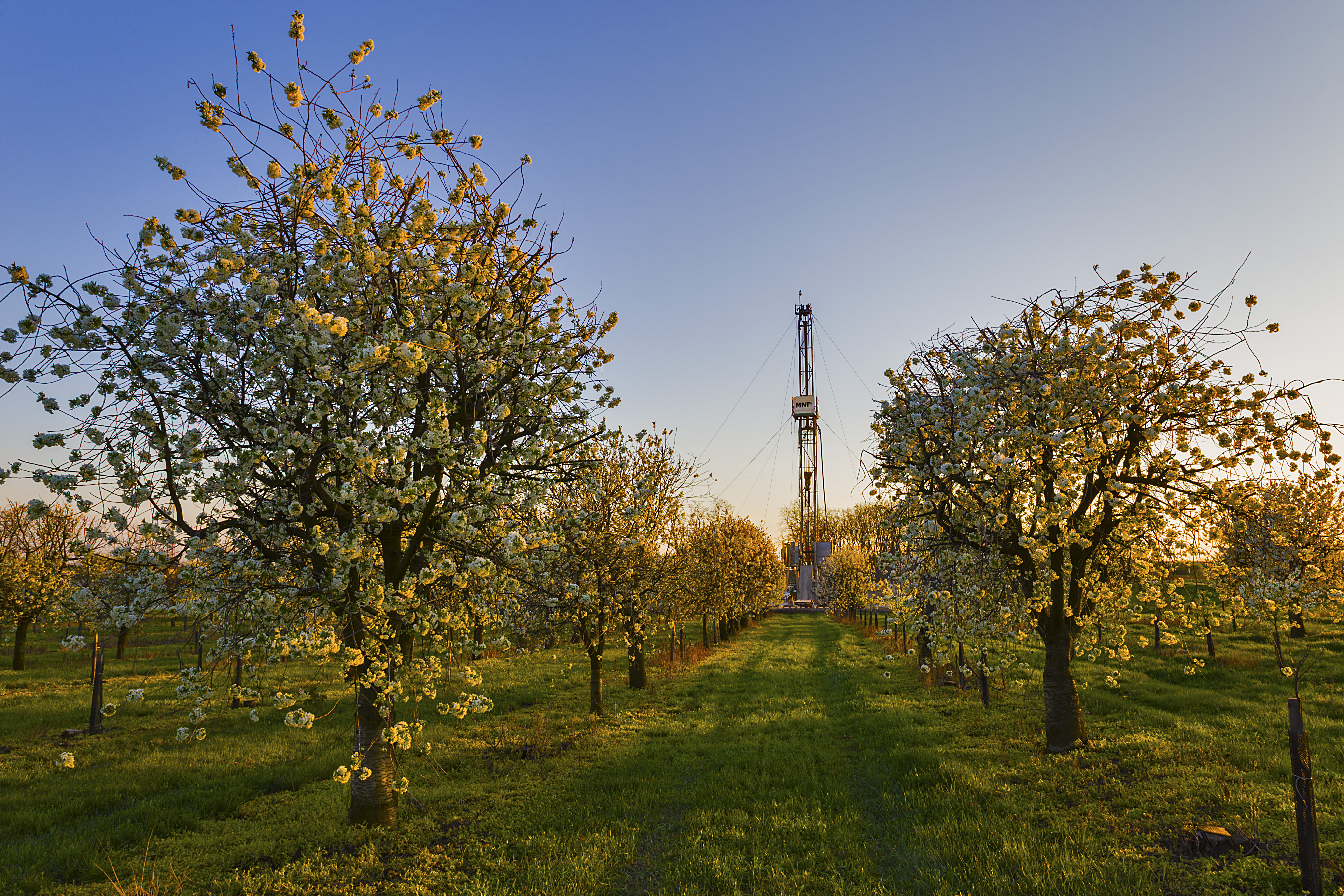
After the disposal of the borehole, the land is returned to the owners in its original state. Biological reclamation is carried out by the landowner, with the costs paid by the company over a period of three years.
Statistics and costs
The company carries out an average of 15 to 20 well abandonments and reclamations per year, costing approximately CZK 80 to 100 million.
This complex process ensures that the land is returned to its original state after mining operations are completed and the environmental impact is minimised.
Other articles
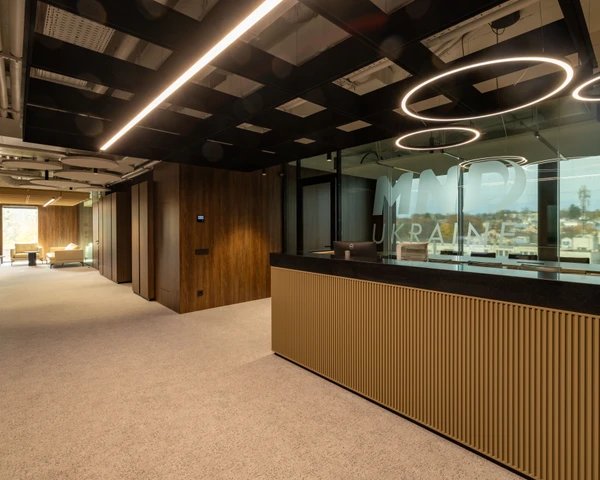
MND opens new offices in Lviv
More space, more light and room for growth. On 18 November this year, MND Ukraine officially opened its new modern offices in Lviv. The spacious, wood-panelled and airy premises offer employees significantly better working conditions and a representative setting for meetings. The new headquarters in the very centre of the city also allows for further planned growth of the team.
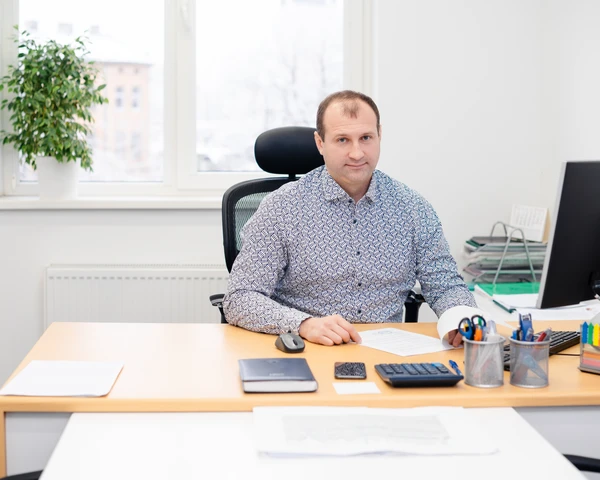
We work even when missiles fly over us, says MND Ukraine's technical chief
The MND Group has been operating in Ukraine for over ten years and, despite the war, it has managed not only to maintain operations but also to gradually develop gas production. However, everyday work takes place in conditions that most of us in Czechia or Germany can hardly imagine. We talked to Volodya Stebletsky, Technical Director of MND Ukraine, about how MND Ukraine works today, what is most difficult and what gives them the strength to continue.
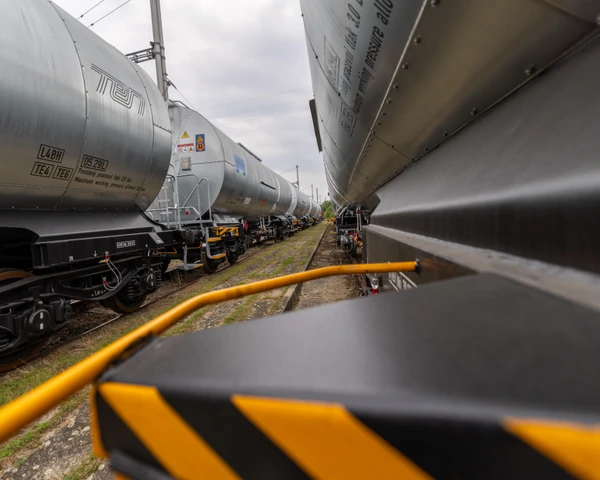
Oil on the rails
Four times more crude oil than before is sent by MND from the Lusatian railway station to Kralupy nad Vltavou these weeks. The reason for this is the termination of transport via the Druzhba pipeline. All the crude oil produced must be transported by tanker - first by truck, then by rail.