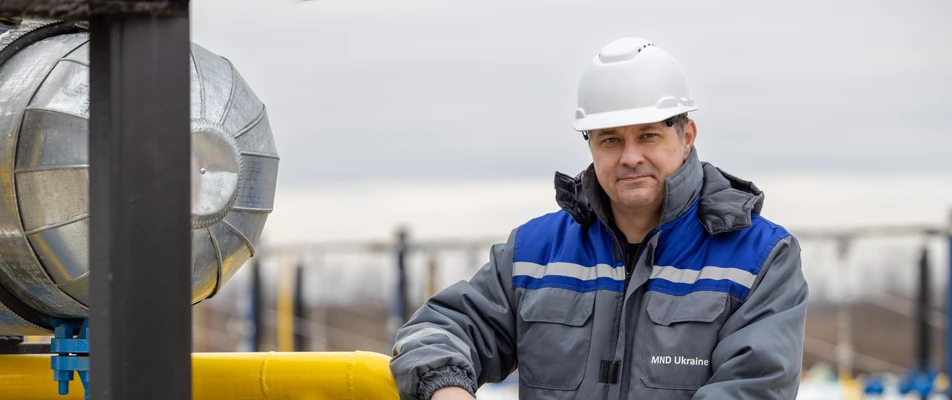
The first well at Zukivska will be the most important thing this year. The reserves there are huge.
Successful development of the Tynivska licence, the Girska extension, the acquisition of Pivdeno Girska and the plan for the first well at Zhukyvska. MND has moved up a gear in Ukraine. And they are on track for further milestones. This year, the company wants to reach 150 million cubic meters of gas production in the country. Lukáš Svozil is in charge of MND's Ukrainian operations and spends much of his time on the road.
"Our success is built on two fundamental pillars that complement each other. The first pillar is a strong team in Lviv. The second is the great support from Hodonin," he says.
Tynivskaya looks very promising, I have even heard speculation that we could reach the million cubic meters per day mark in Ukraine this year. Now we have 500,000. What do you think is realistic?
Yes, the Tynivskaya licence is the best we have in Ukraine at the moment. By the end of this year, we will be happy if daily production is at the level of 700 thousand cubic meters of gas. If everything goes well, we could reach a million in case of a positive result on the Zhukyvskaya license. Today it is about gradual steps leading to the completion of the development of the Tynivskaya field.
Which steps are they?
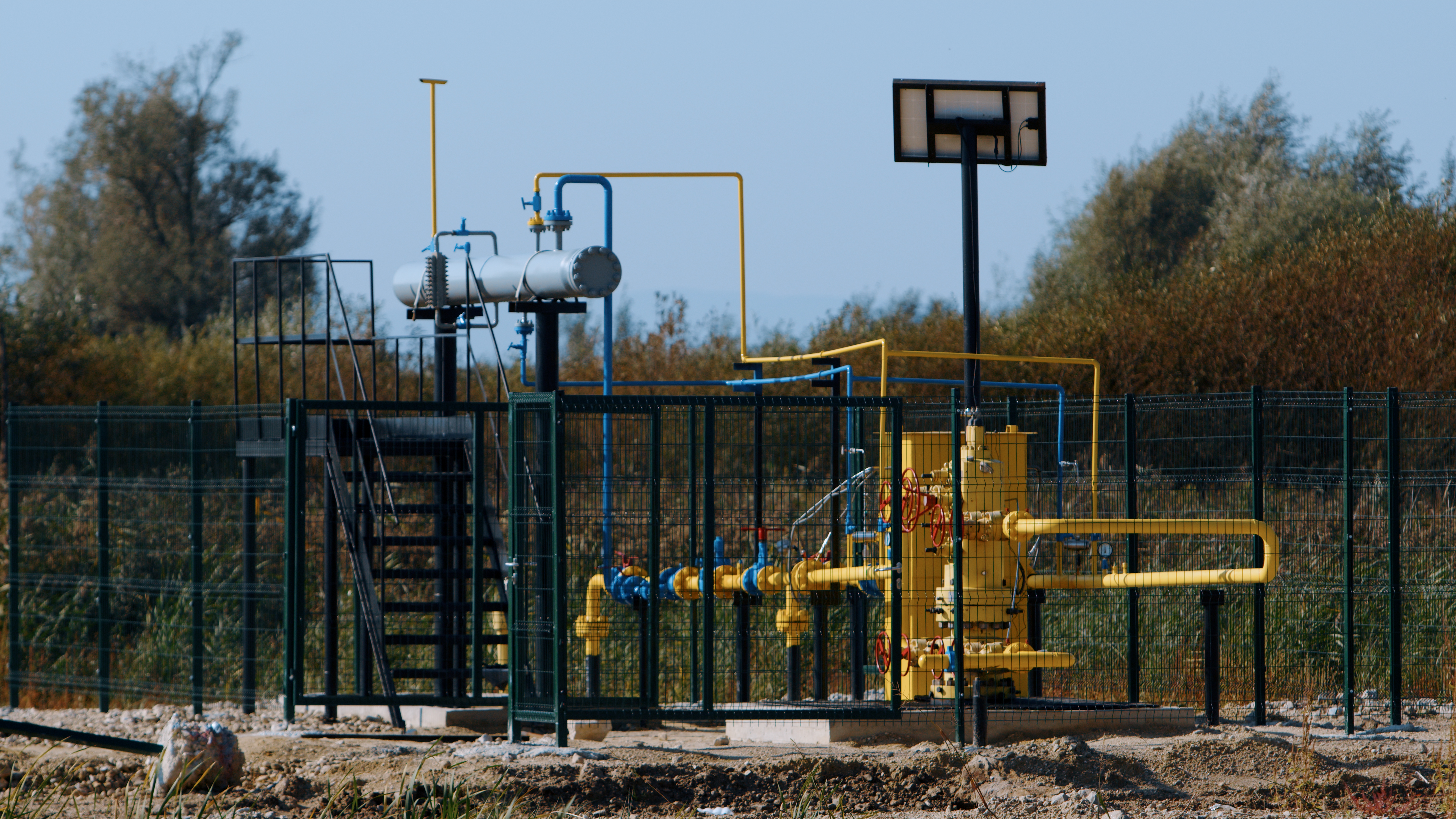
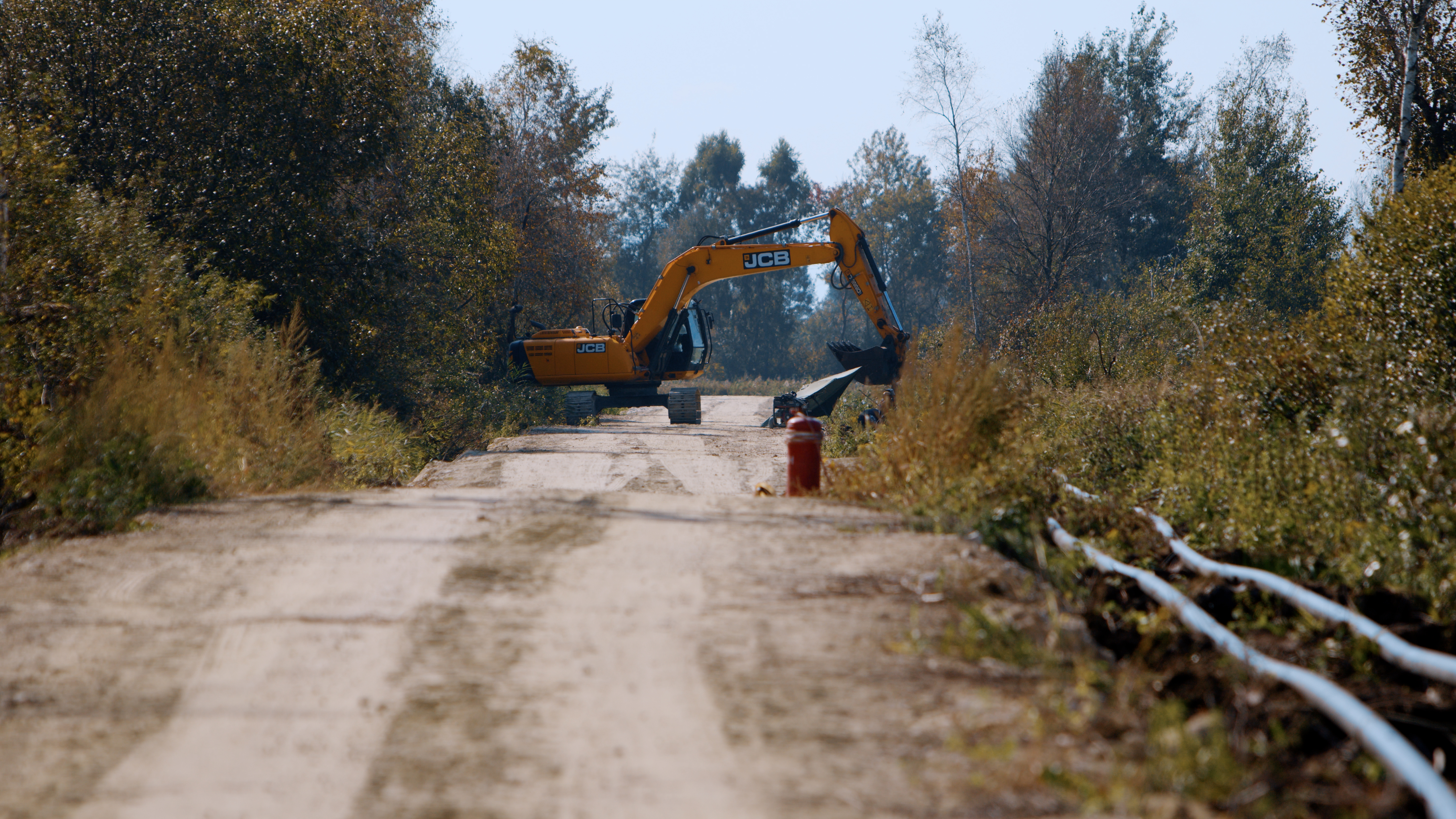
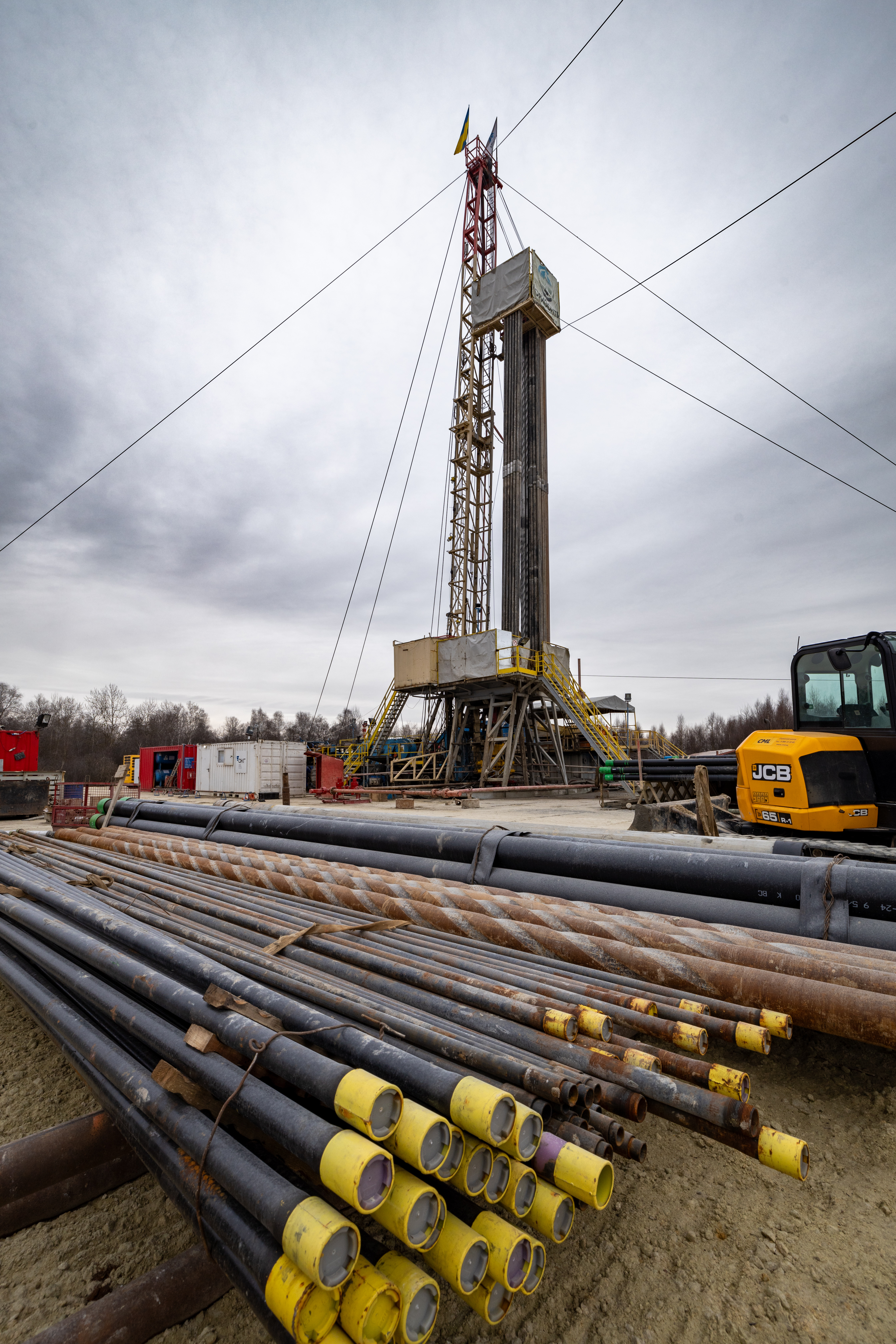
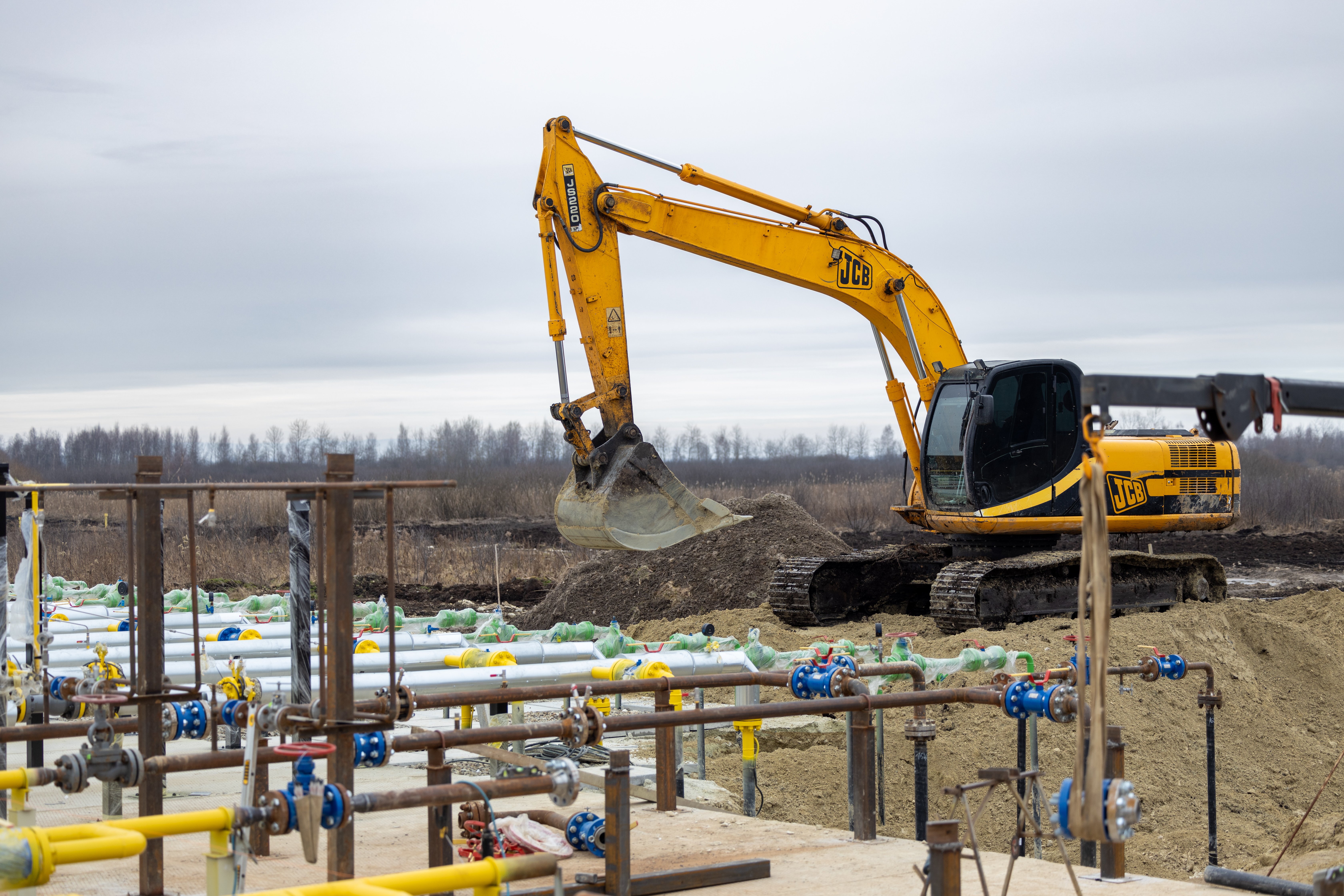
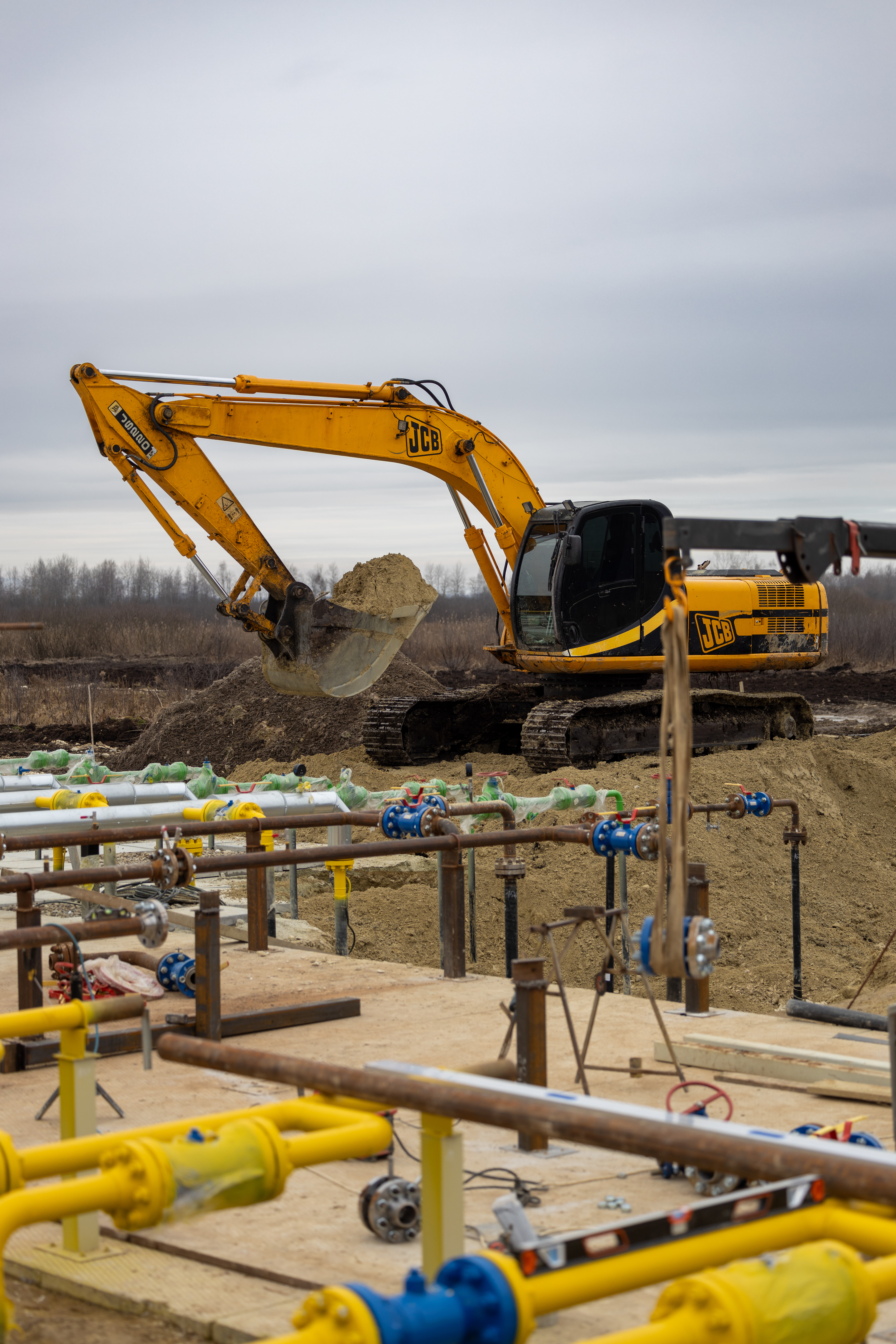
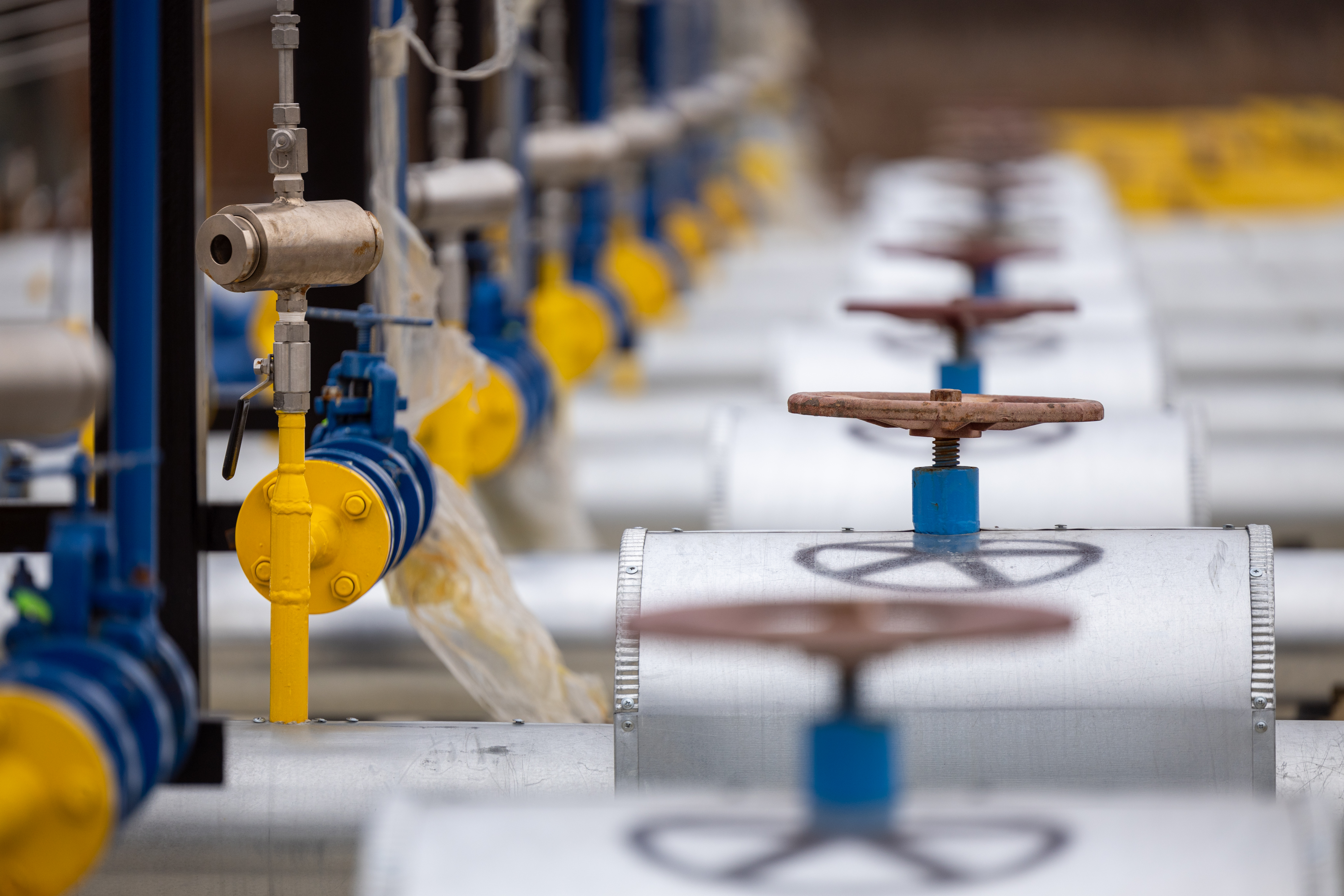
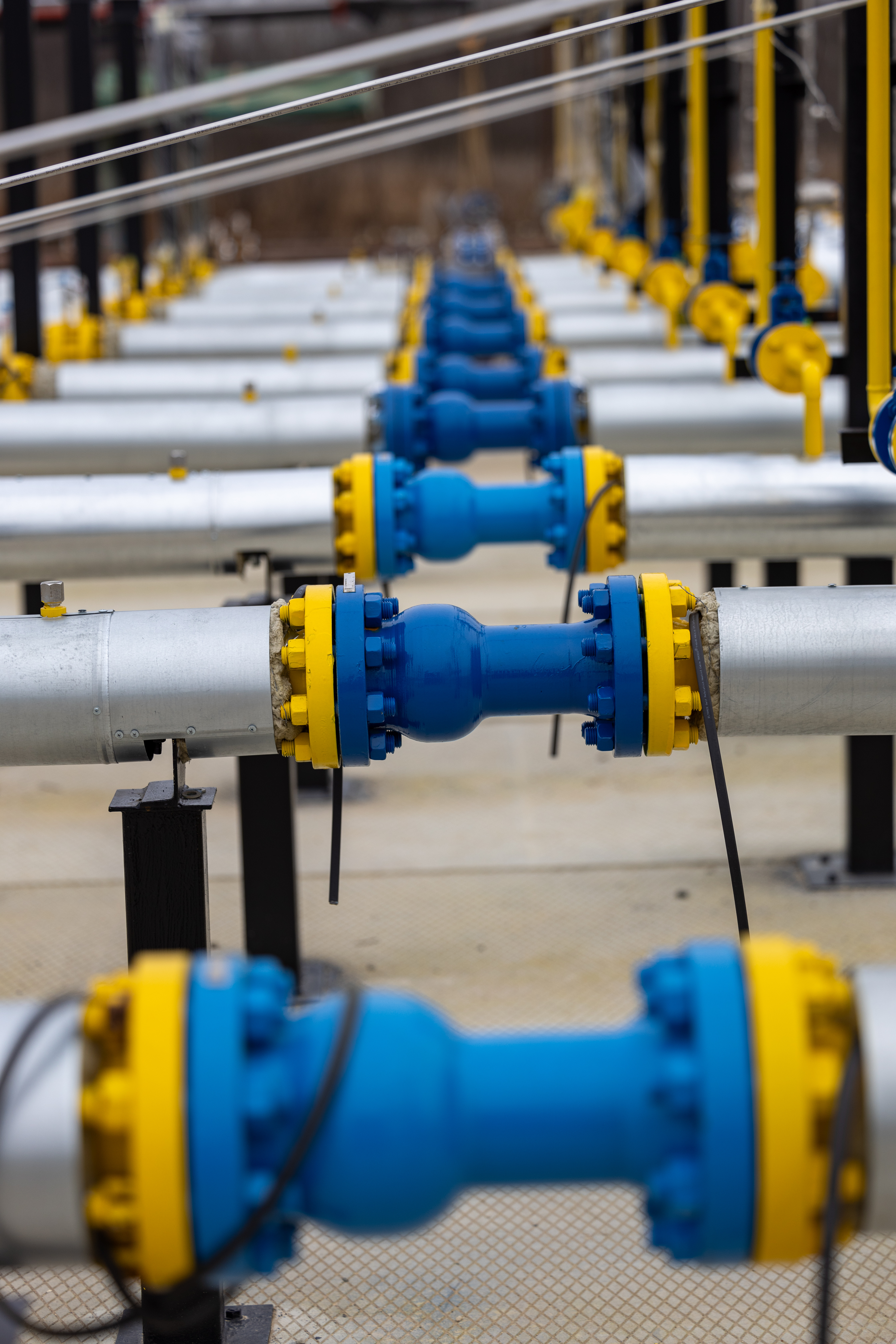
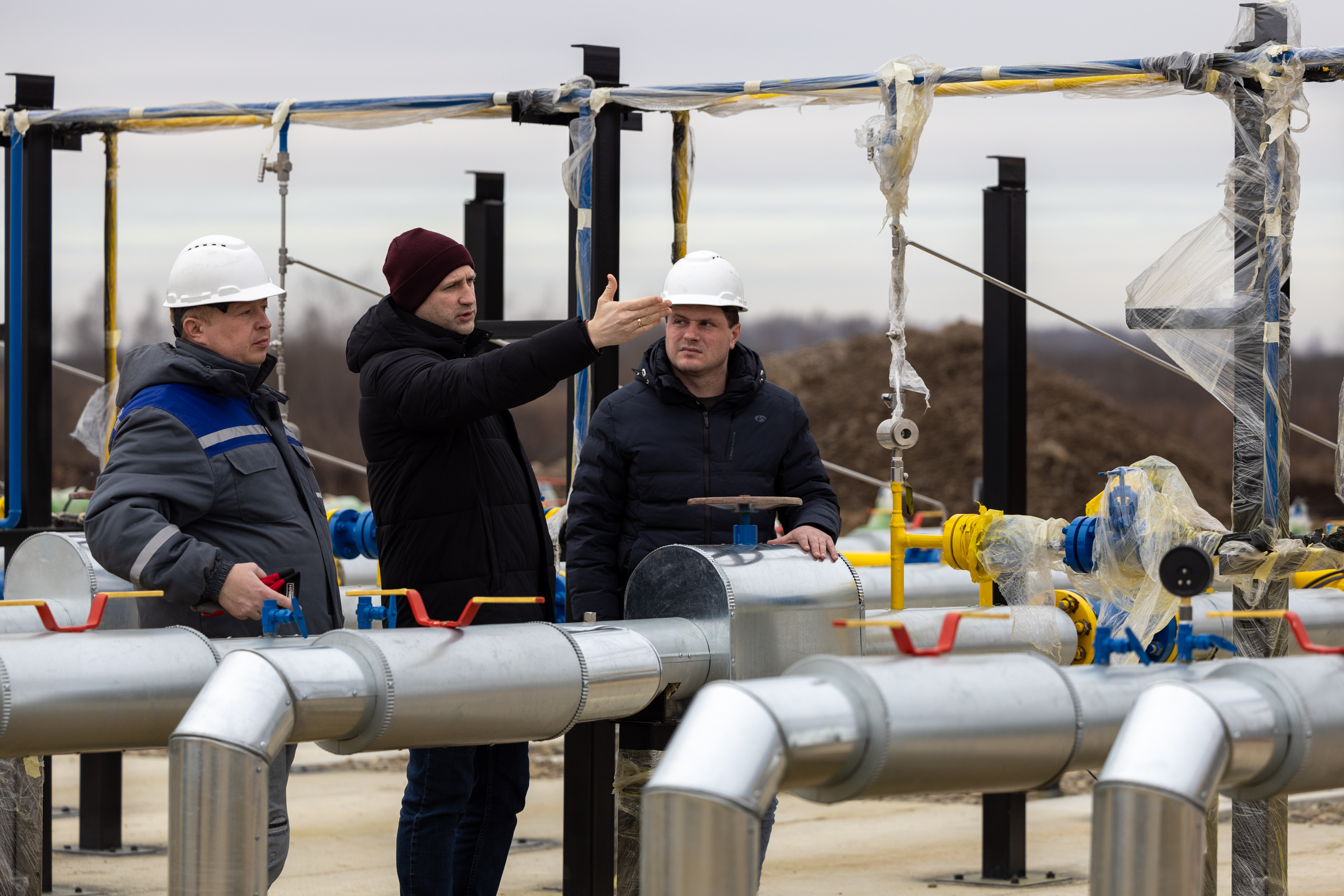
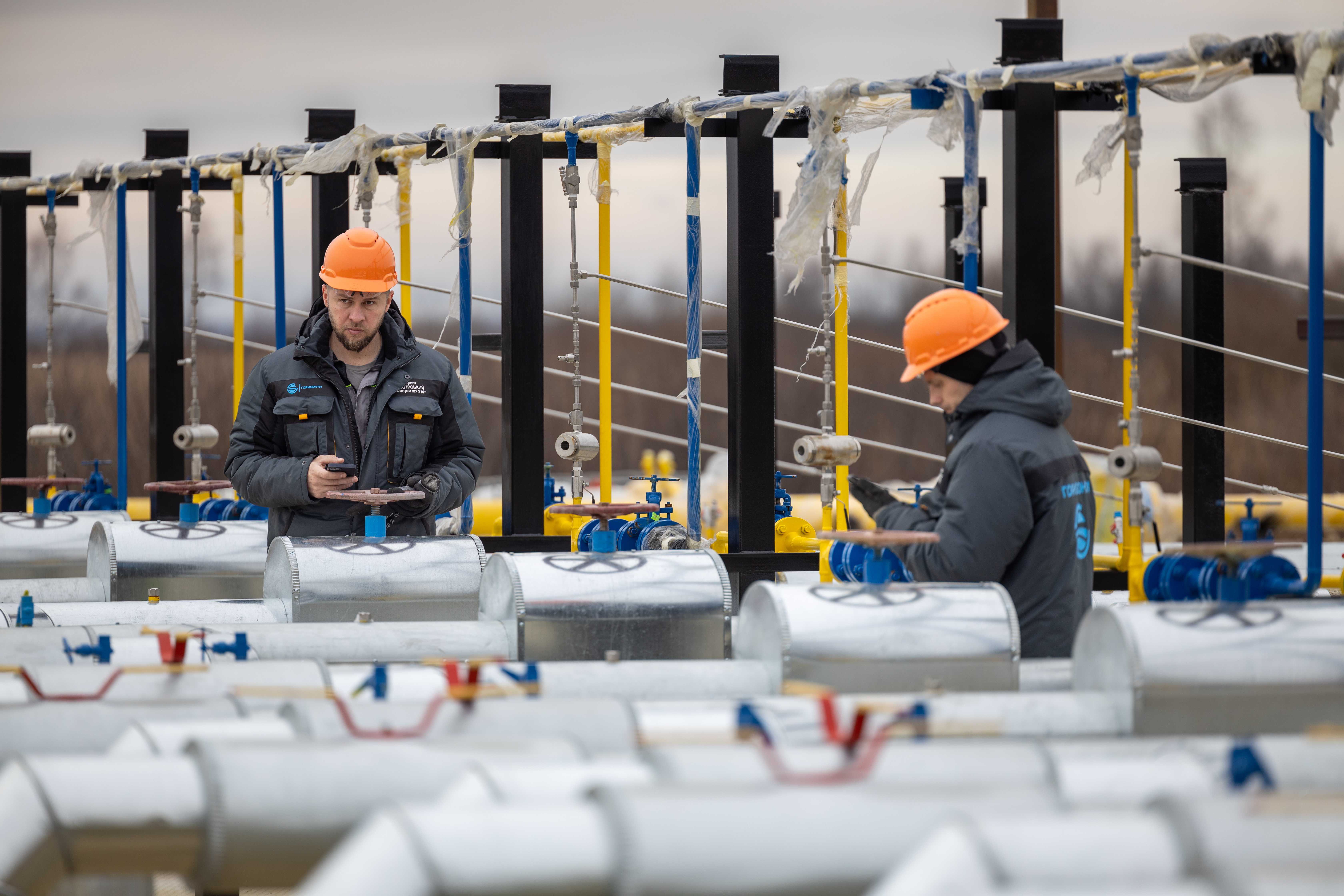
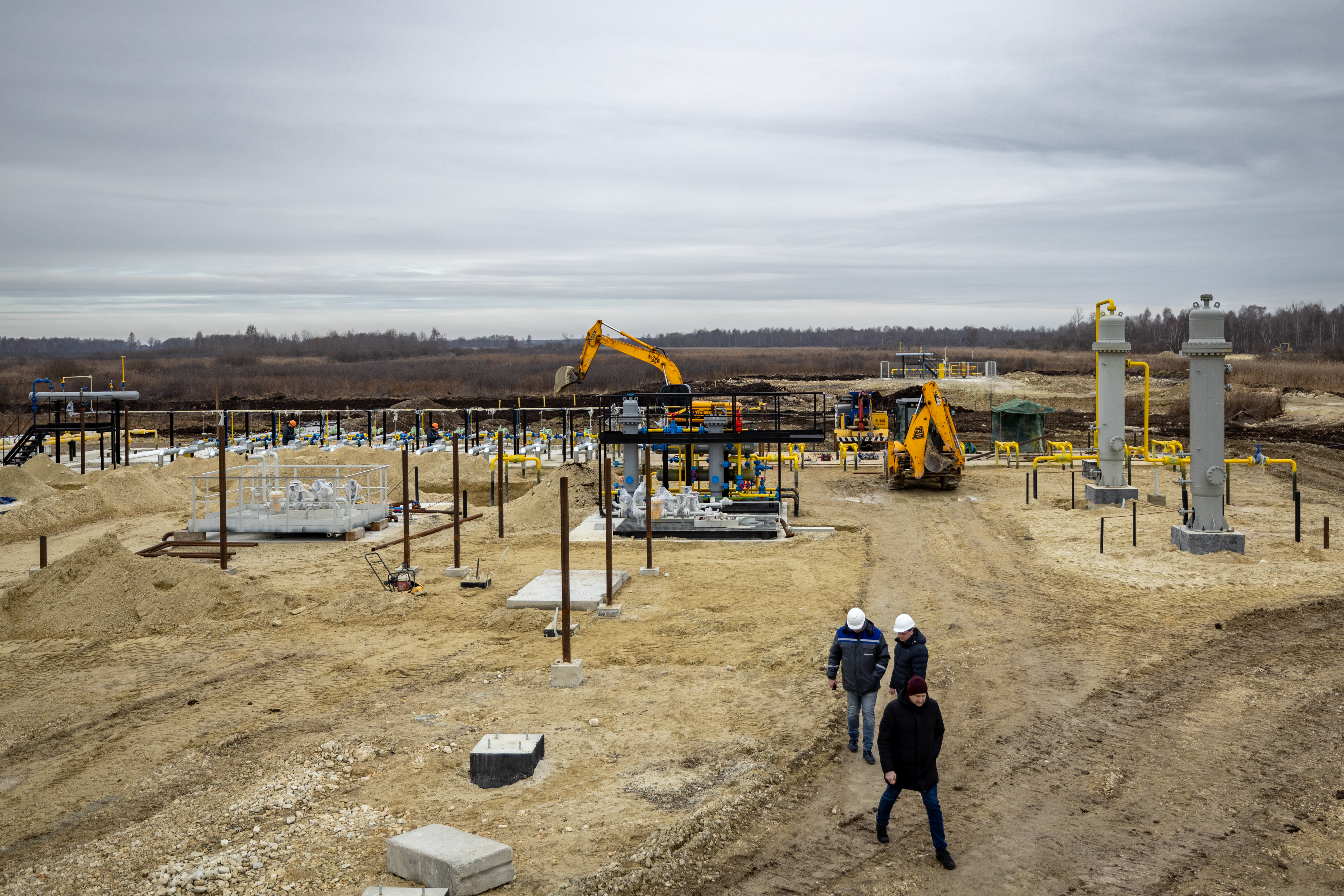
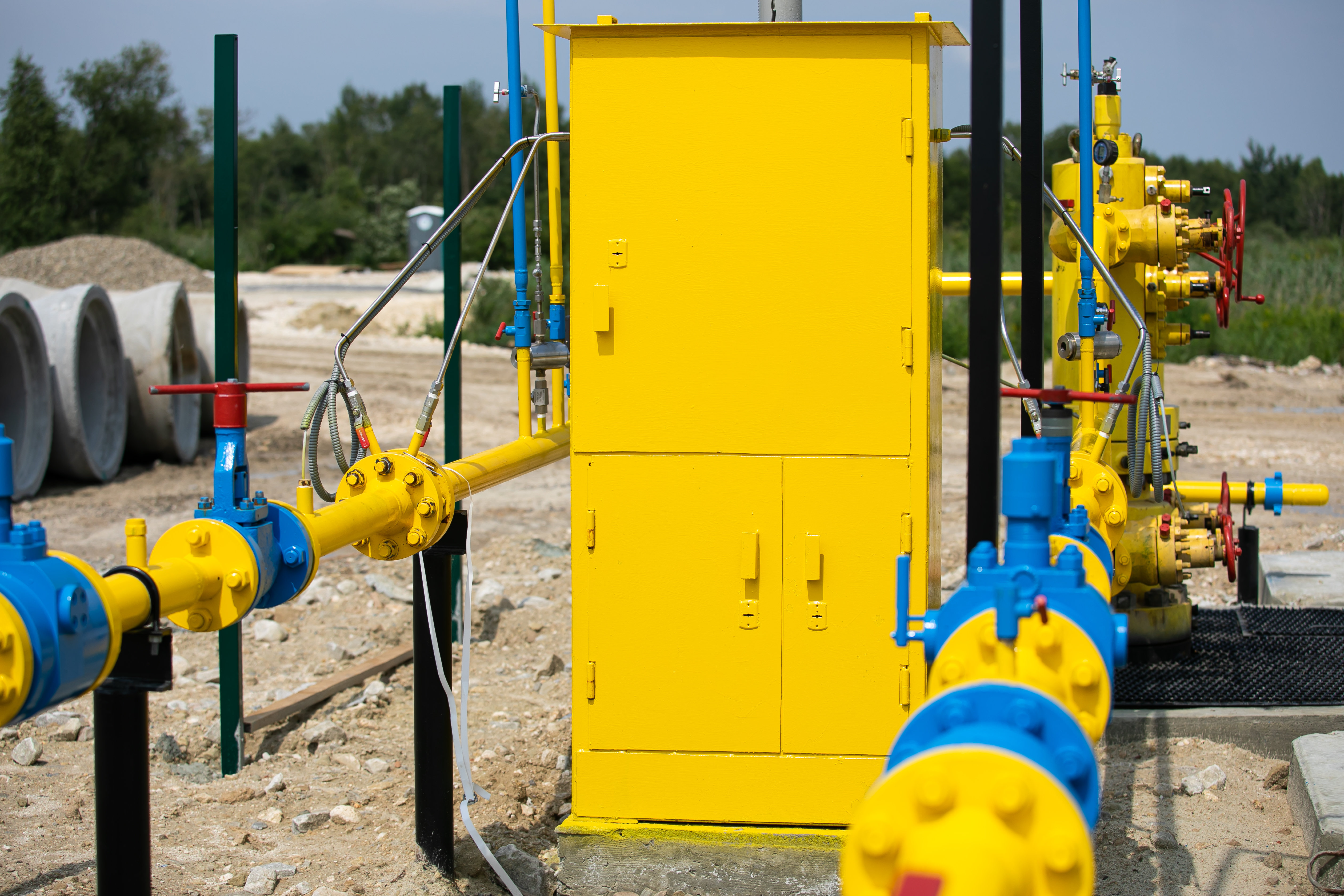
First of all, to build a new expedition pipeline, the construction of which we started in February this year. The length of this pipeline will reach 16 kilometres. Then, on the Tynivská field itself, we need to drill and connect three more wells. Last but not least, we need to prepare the technology to handle the required production quantities.
Is there any well on Tynivska that stands out?
The Tynivska wells have more or less the same production - around 80,000 cubic metres. That's certainly better, because we don't have one well to stand on, but it's spread out and so far they all look very favourable.
Is it possible to quantify how much we have invested in the development of Tynivska?
Of course, we are constantly monitoring the amount of money invested. At the moment we are approaching 20 million euros. This includes all the infrastructure, which is very difficult there because of the local conditions - the construction of roads and drilling areas was really difficult, it's a marshy area. Wherever you dredge, you immediately hit a swamp.
We are talking about the production of hundreds of thousands of cubic meters of gas per day. Yet Tynivskaya is one of the licences that nobody wanted. We only bought it in a round of auctions that no one had applied for before. What is it?
The high asking price combined with the expected high upfront infrastructure costs meant that the attractiveness of the Tynivská licence was very low indeed. We acquired Tynivska at about one-fifth the original asking price. That price already made sense to us.
Who came up with the idea of buying Tynivskaya?
My colleague Volodya Radelytsky. He used his vast knowledge of the geology of western Ukraine. When he combined that information with the data we had on Girskaya, he assumed it would be analogous. He trusted the licence and recommended it. We bid on it in 2021 and got it for less than a million dollars. Then it was on to the 3D seismic measurements. The data didn't look very convincing, but fortunately with the first well, it confirmed the presence of gas in several horizons, with quite large reserves. After drilling several wells, the geologists tested the wells and then calculated the reserves for each horizon. We came up with very different numbers, higher than what we saw at the beginning. A big thank you to everyone who has been and is involved in the project. Both in Lviv and in Hodonin.
How is the cooperation between Hodonín and Lviv going?
I think it is going very well. After eleven years we all know each other and we know what to do, what the possibilities and rules are. Of course, the war reduced personal contact, but that was also covid before. We mostly use the support of the geologists and the IT department. The geologists have been working together from the beginning, exchanging experiences and it's been beneficial for both sides. Lviv has local knowledge on its side, Hodonín on the other hand knows how to work with the latest software and technologies. As far as IT is concerned, since 2016, IT support has been managed from Hodonín.
3D seismic measurements were also carried out jointly on the new Zhukyvskaya licence in the Poltava region. How does it look there now?
Last year we carried out 3D seismic measurements on the Zhukyvskaya licence. This year we want to drill the first well, which is planned for the end of the year. After we discovered Tynivskaya, this is another project that can advance our business in Ukraine. I see it as clearly a key thing this year. If the reserves that we expect are confirmed, that will be very good.
How much is expected there?
The projected gas reserves are really large from our perspective. They are in the order of sub-billion cubic meters of gas. But at this point in time, these are only prospective resources. Once we have the first well tested and the reserve calculations made, we will know much more. We will have that data at the end of this year. Just to give you an idea, the prospective resources at Tynivskaya were much smaller...
MND also acquired the Pivdeno Girska licence at auction last year. Is there anything else in the pipeline?
We are currently negotiating with Ukrnafta to enter the Pasychna licence. The licence is located in the Ivano-Frankivsk region approximately 200 kilometres from Lviv. We are also looking at licenses in the Lviv region that are being offered for sale or cooperation.
We first interviewed together for the Report three years ago, not long after the war broke out. At that time you were providing doctors for our Ukrainian colleagues or their family members who had temporarily taken refuge with us in Hodonin. Accommodation was then provided for them by our employees in Hodonín. How has your work changed since then? Has it returned to the pre-war regime?
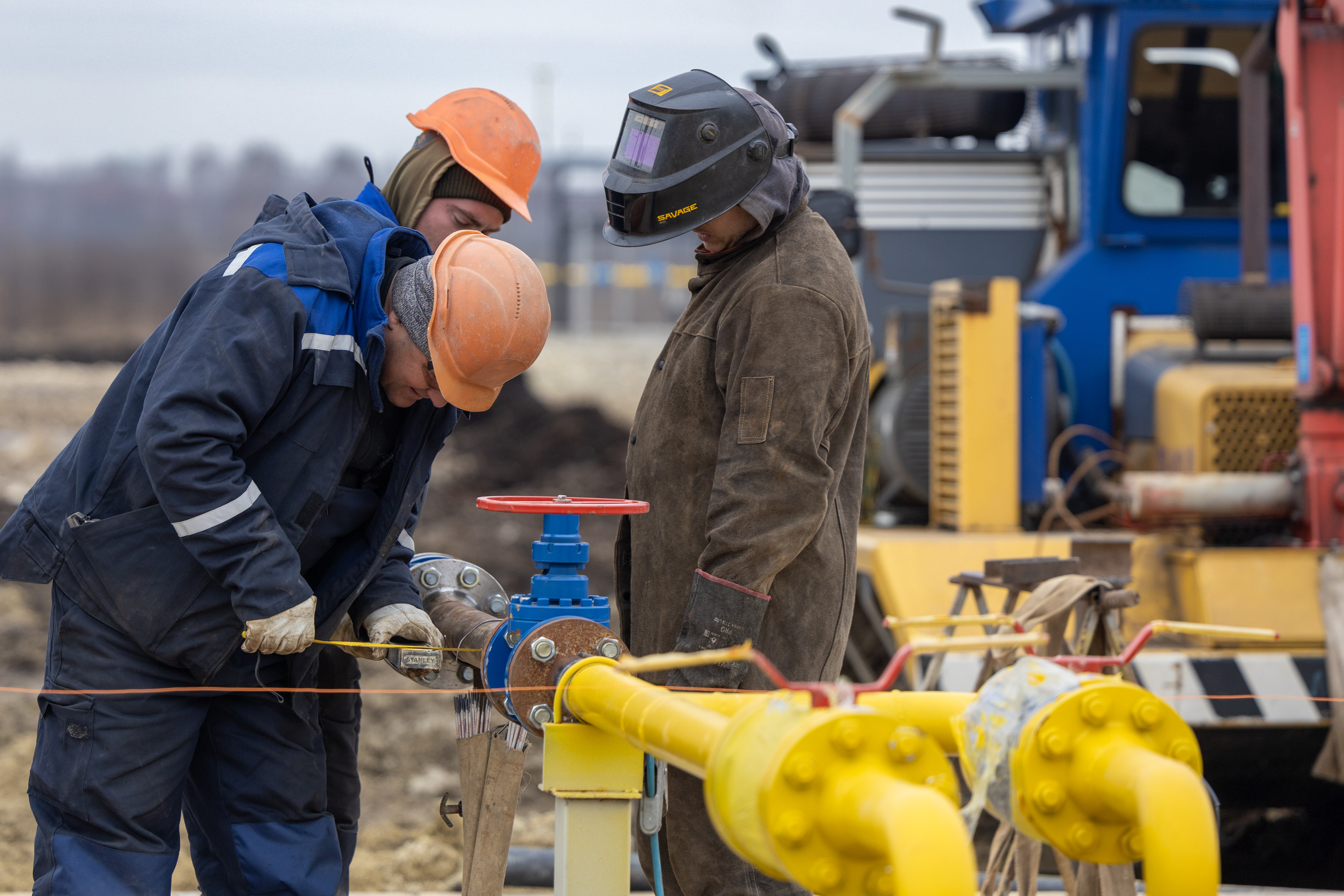
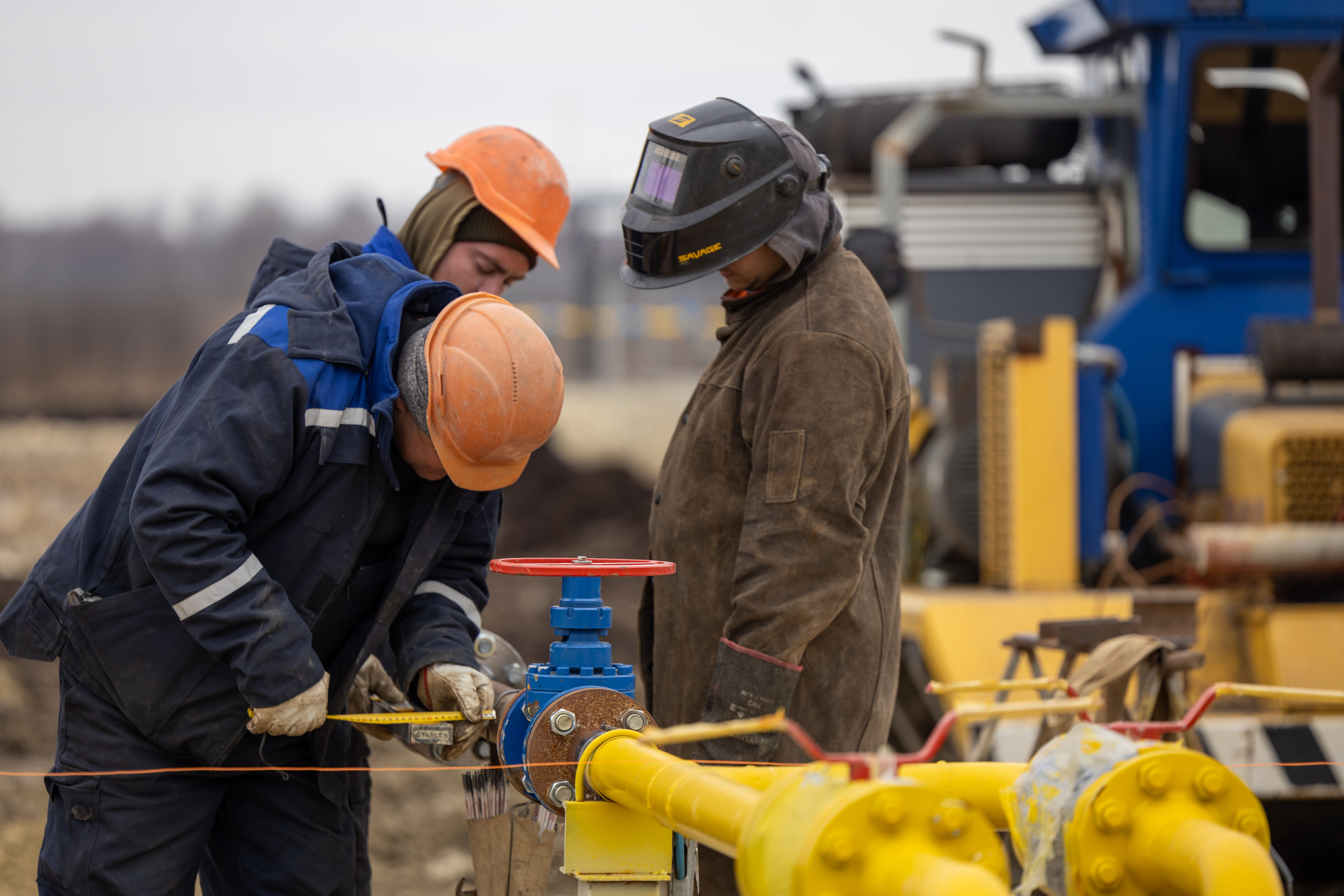
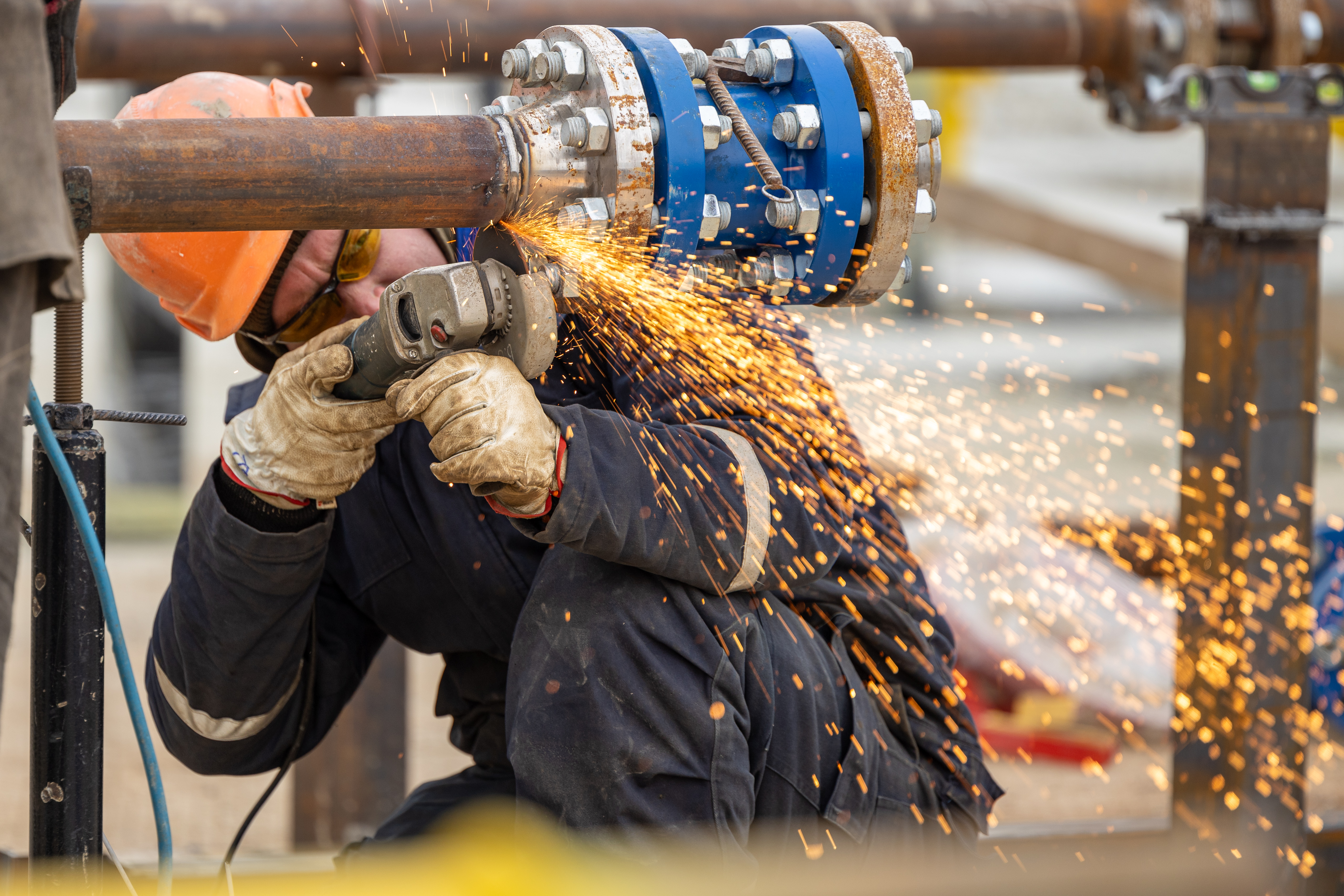
First of all, I would like to thank everyone very much for the help they provided. I believe that the attitude of both the whole MND and individual colleagues in the Czech Republic was exemplary and our colleagues in Lvov still appreciate the support given in difficult times. As for life in western Ukraine... At first glance, Lviv today looks like it did before the war. Children go to school, people go to work, restaurants and shops are open. The number of power outages today is thankfully small. On the other hand, there are ambulances driving around the city, taking injured soldiers to hospitals. The main and most dangerous evidence that things are different are the air raids. The work itself is greatly affected by the war. Perhaps in all fields there is a shortage of men. From welders to drivers. In this environment, work planning is a challenge. However, last year we managed to build nine kilometres of pipeline in three months. This year we plan to build 16 kilometres in three months.
How do you manage to find new colleagues?
Compared to before the war, it is a much more complicated and time-consuming process.
What is the mood among the people in Ukraine?
At the moment, I sense an expectation of change with the onset of the Trump administration (we interviewed in the first half of February, a lot of things will probably happen since then - author's note). It may not be a change for the better, but rather towards the end of the war. Most people want the fighting to stop. Whether it will last or whether it will be advantageous or disadvantageous for Ukraine is another question.
Interview conducted by Martin Benes
Other articles
Market and storage capacity impacts of the UA gas transit closure
At the end of 2024, the five-year contract between Russia's Gazprom and Ukraine's Naftogaz for gas transit to Europe expired. Ukraine had previously announced that it was not interested in extending the contract, so the gas flow was stopped as of 1 January 2025.
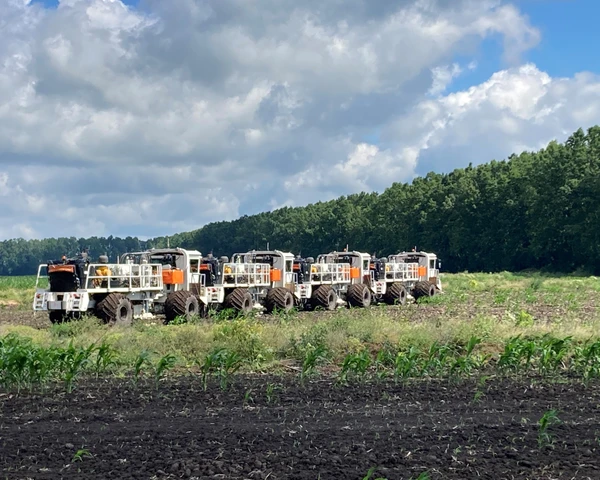
"For the first time, I saw what a Russian missile flyby looks like on seismic footage"
Last year Pavel Kratochvíl participated as a geologist from Hodonín in 3D seismic measurements on the Zukivska licence in the Poltava region in eastern Ukraine. In the interview he describes his experiences from the trip and the specifics of working in the area crossed by missiles.
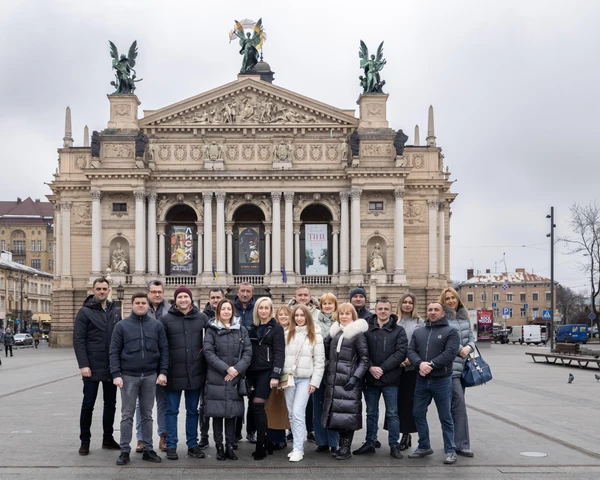
Introduction of MND Ukraine team
MND Ukraine consists of a group of several companies. Today the main company in Ukraine is the company Horyzonty. MND Ukraine owns exploration and production rights from a total of eight licenses covering an aggregate area of almost 400 square kilometres and with a daily production of 500,000 cubic metres. MND's activities are currently managed by 59 colleagues.