Borkovany 8 - continuation of a successful deposit
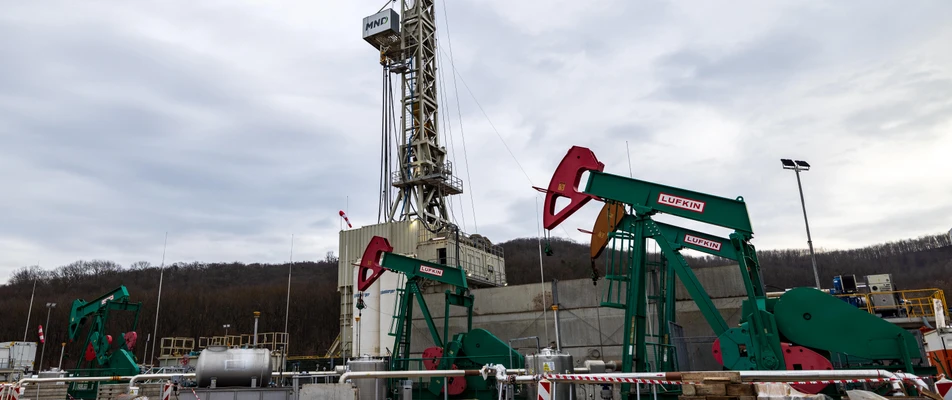
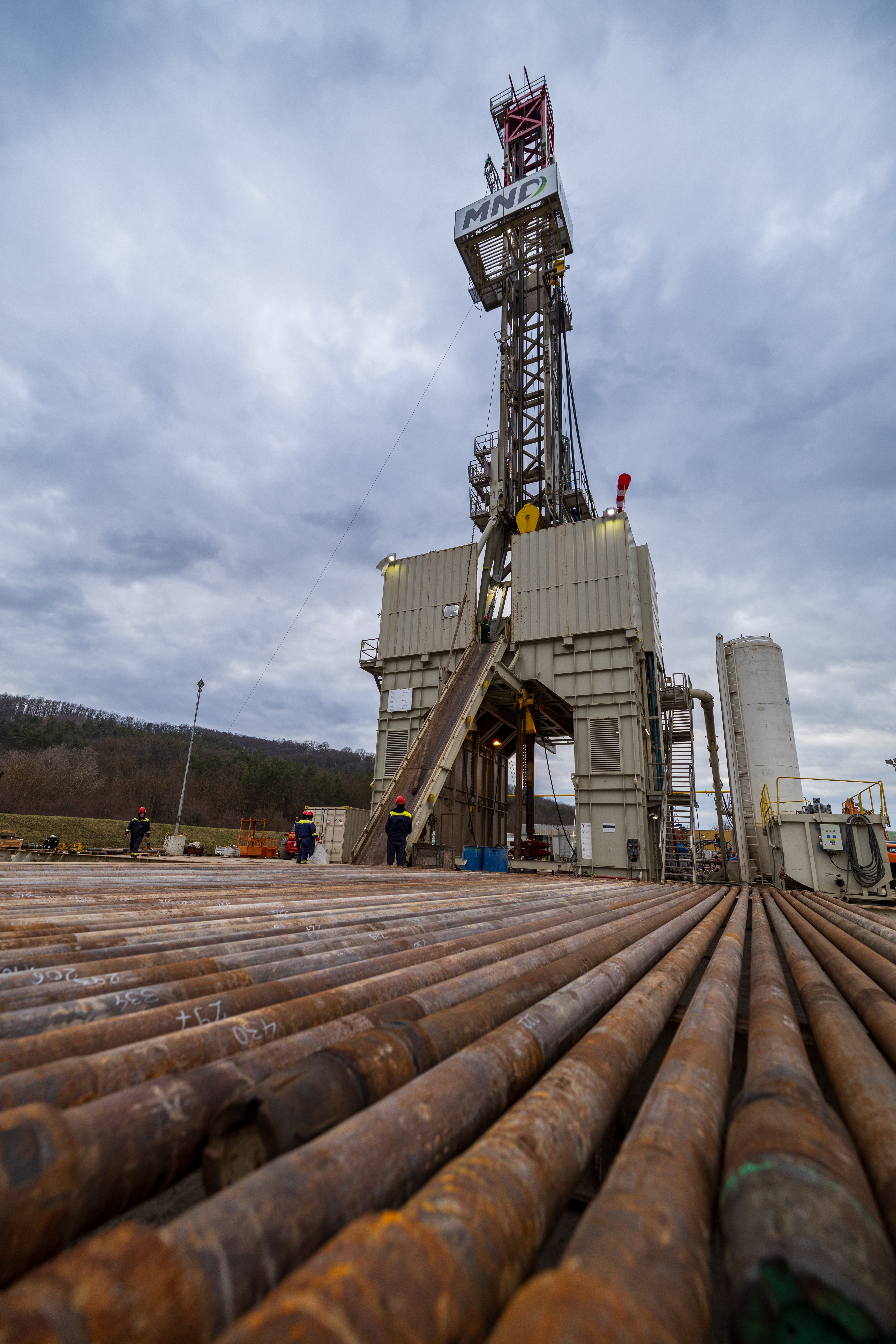
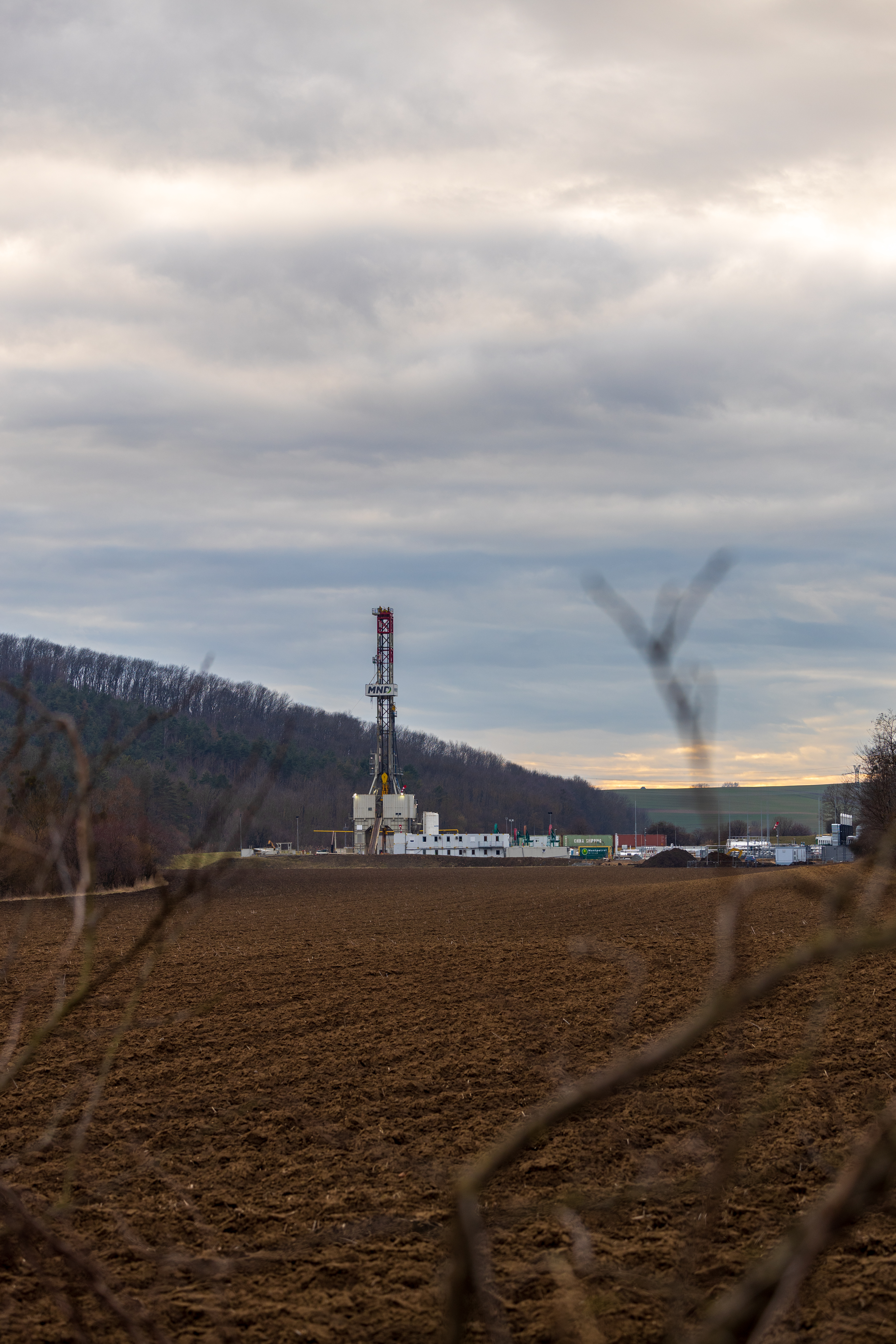
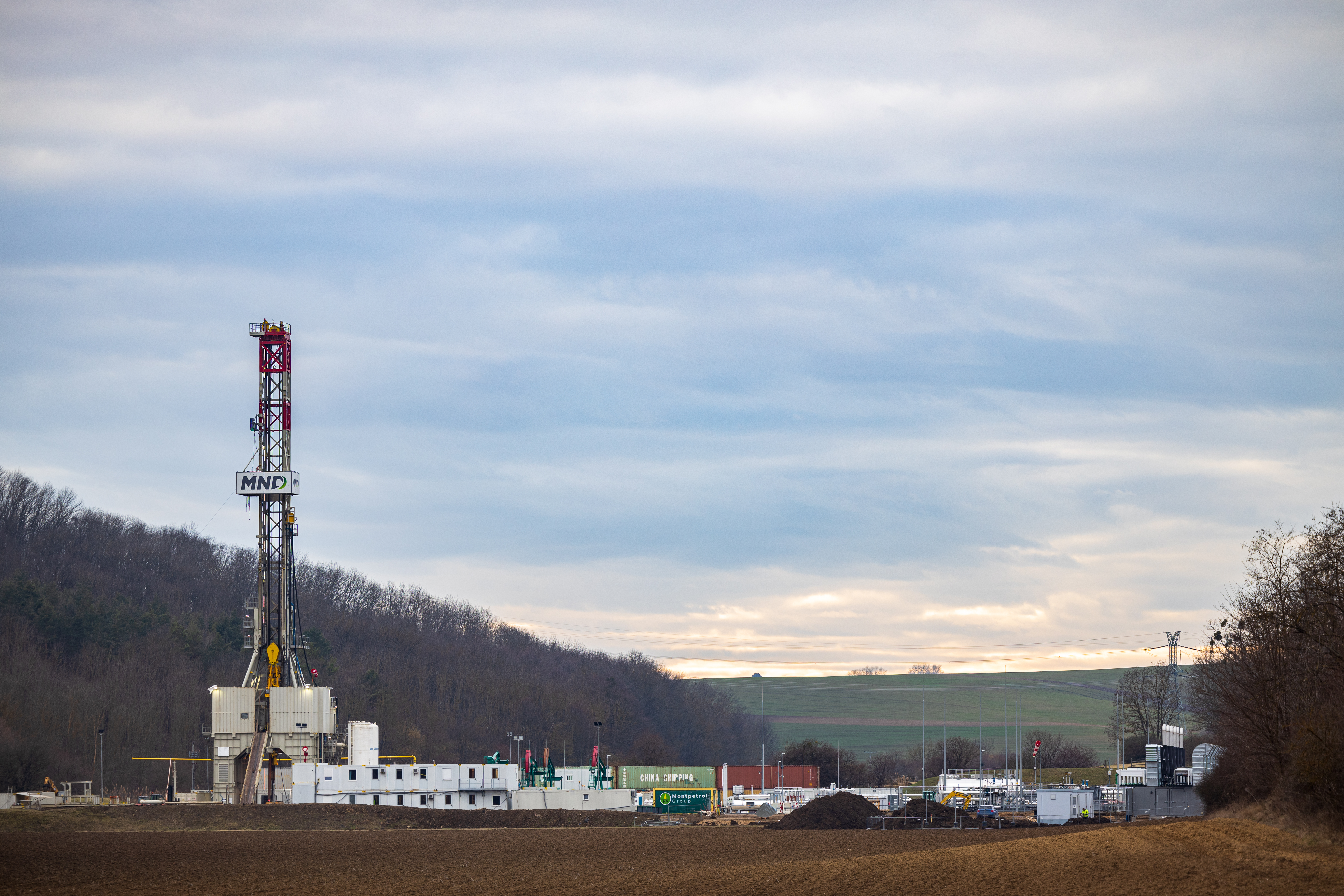
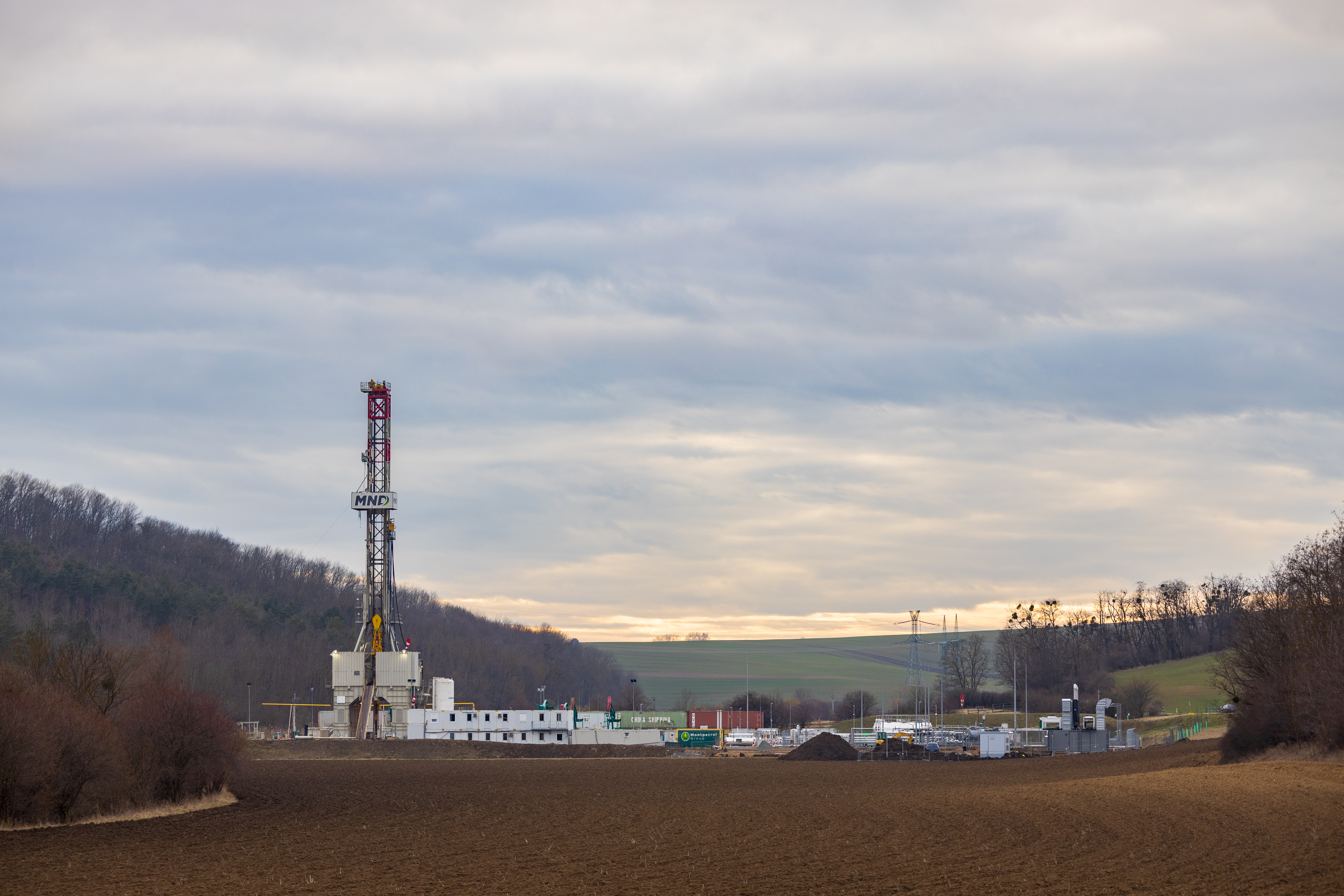
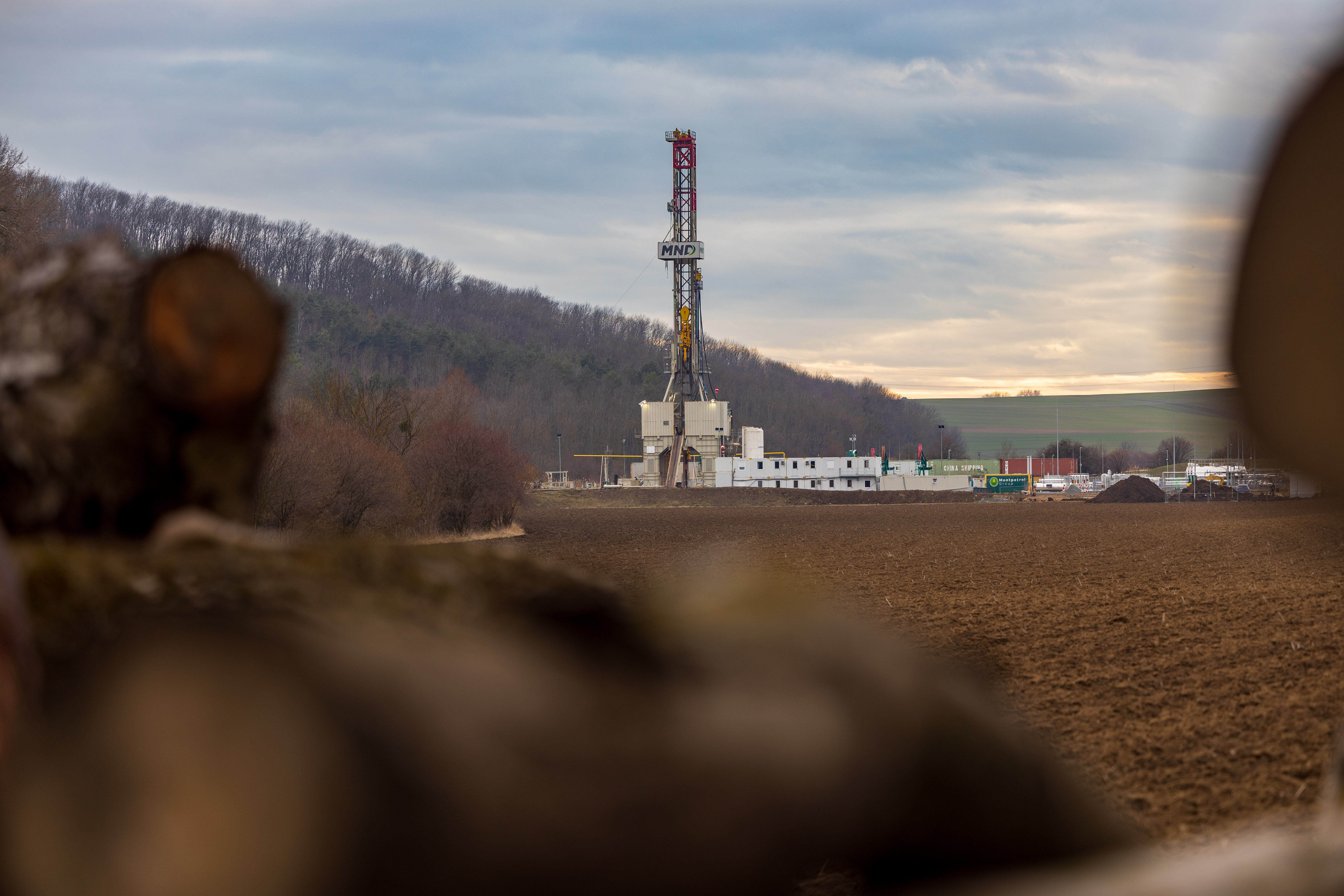
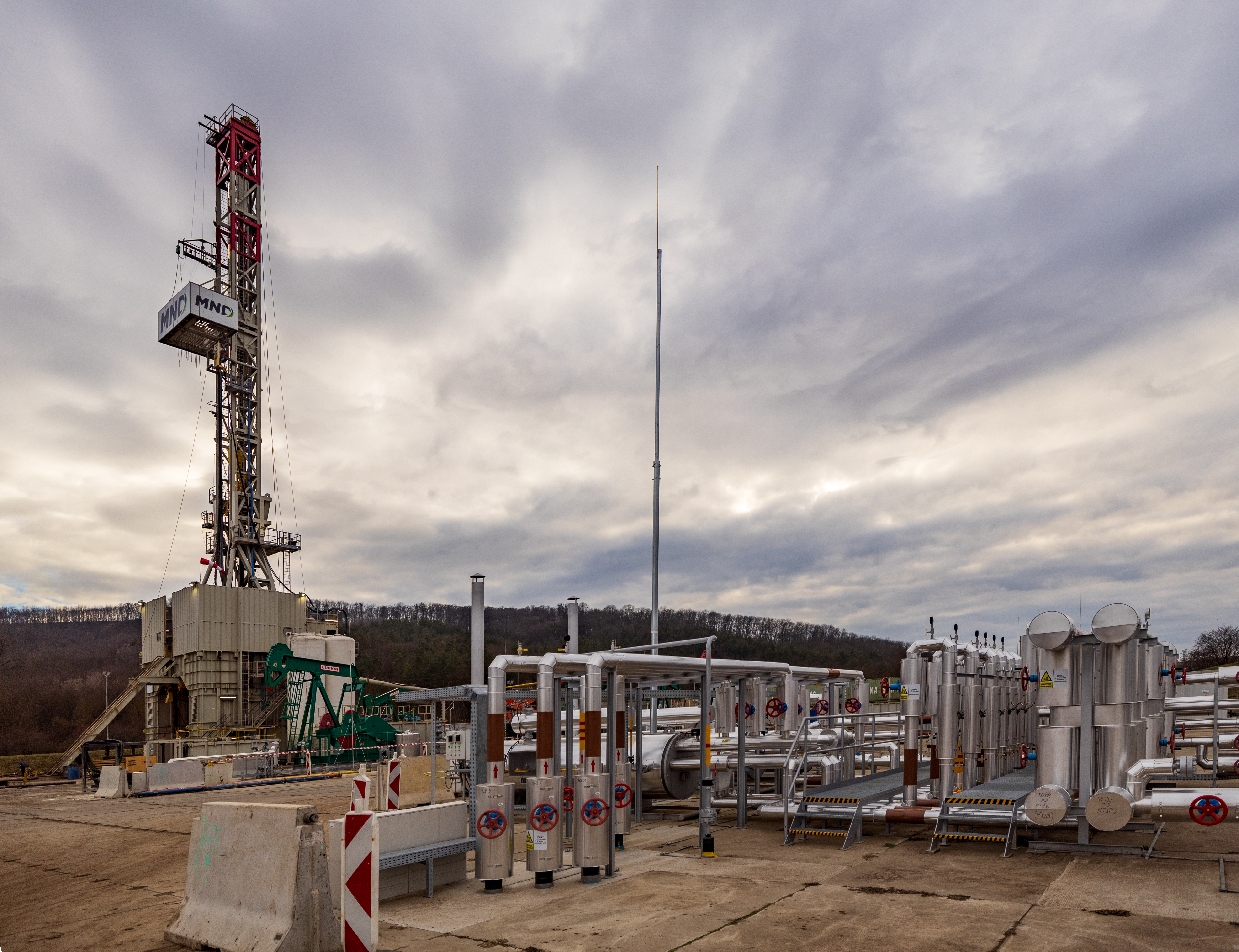
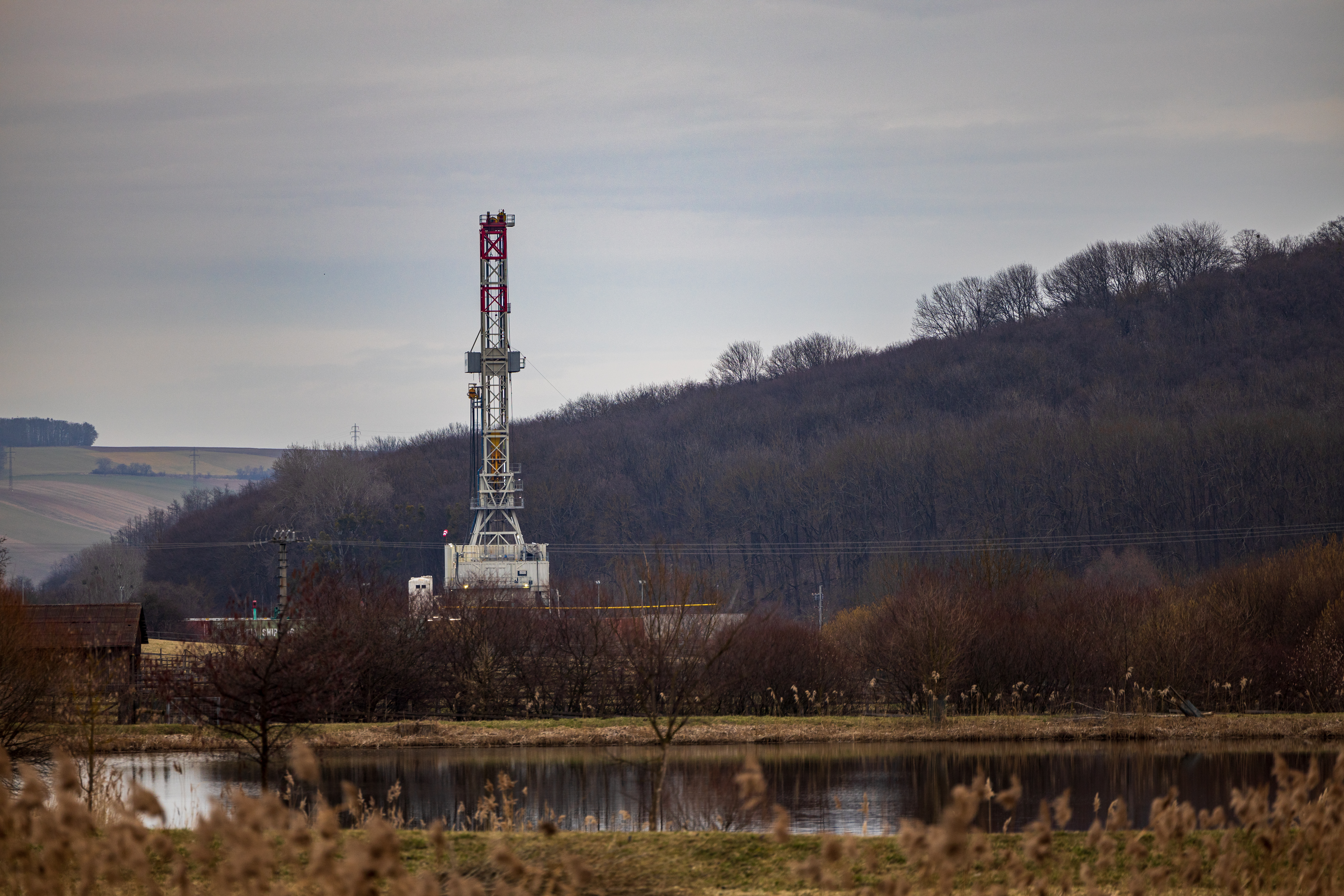
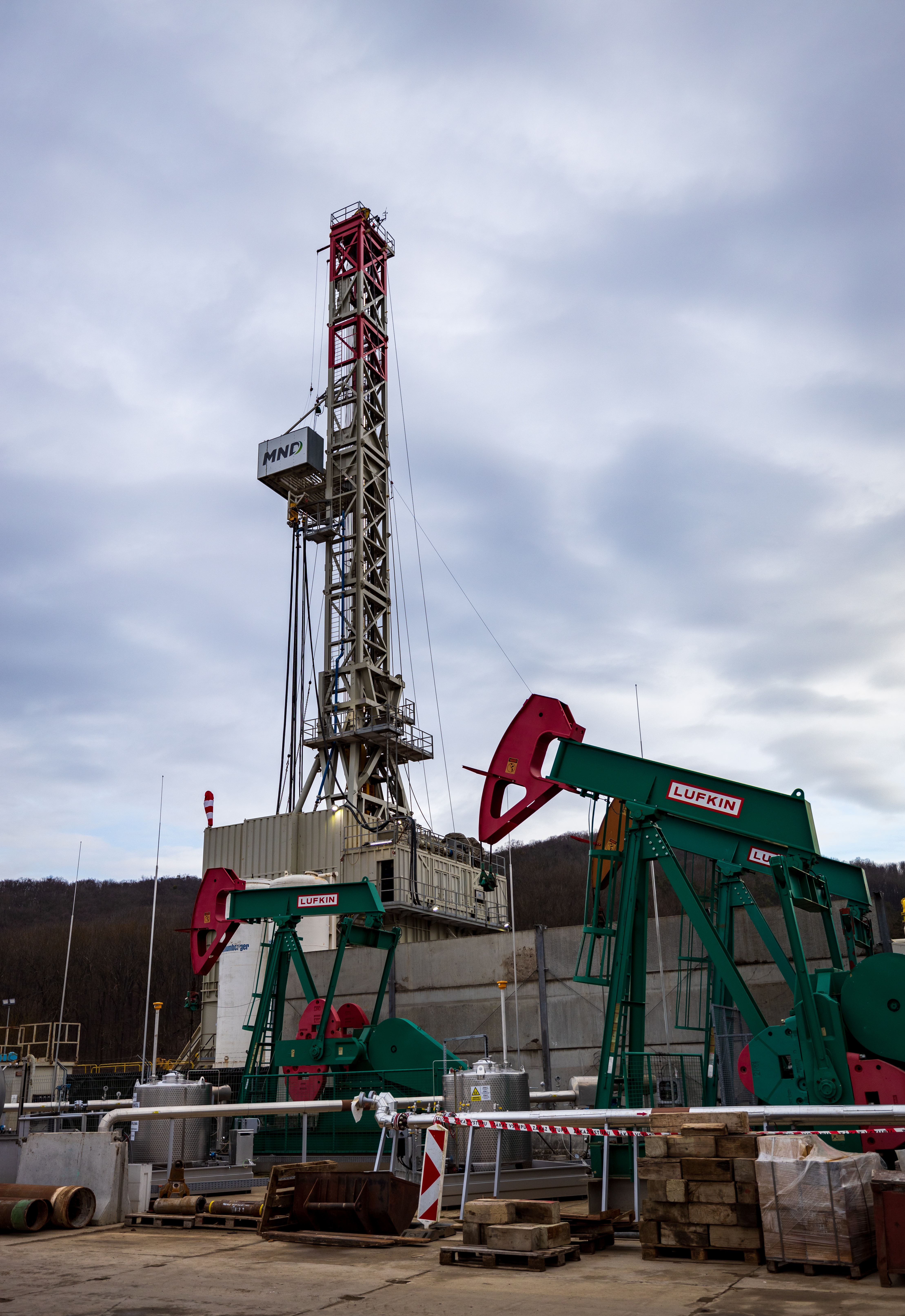
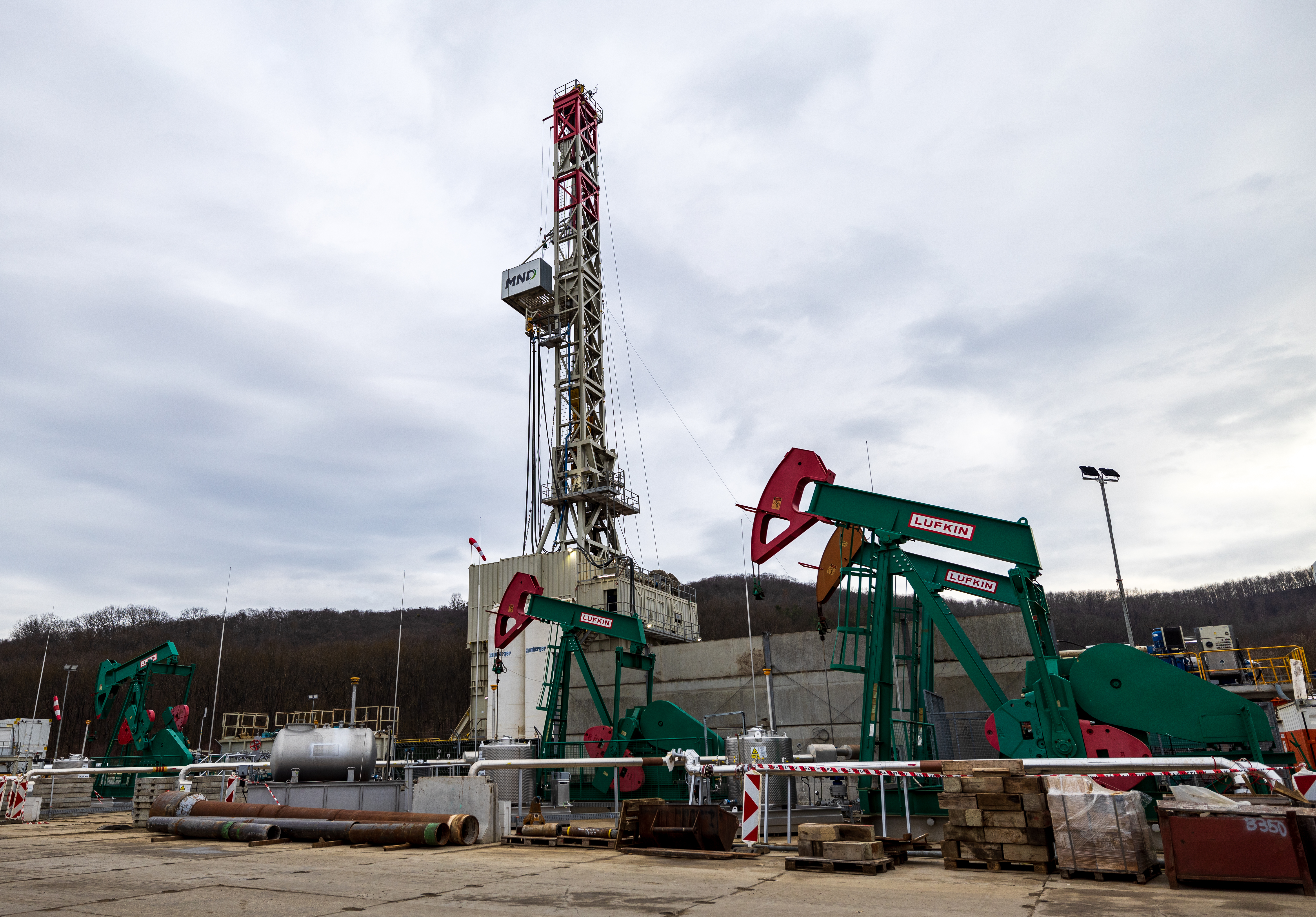
The Borkovany 8 well site is quite densely populated with technology. The Bentec 350 rig is complemented by five trestles, one gas-producing production cross and other infrastructure. For a number of years now, the Borkovany deposit has been in production, and well number 8 will continue to do so. The expected reserves have been confirmed.
At the very end of the drilling, we meet the rig foreman Mark Vyšinka, geologist Jiří Berka and Petr Hortvík from the mining department in charge of the Dambořice area.
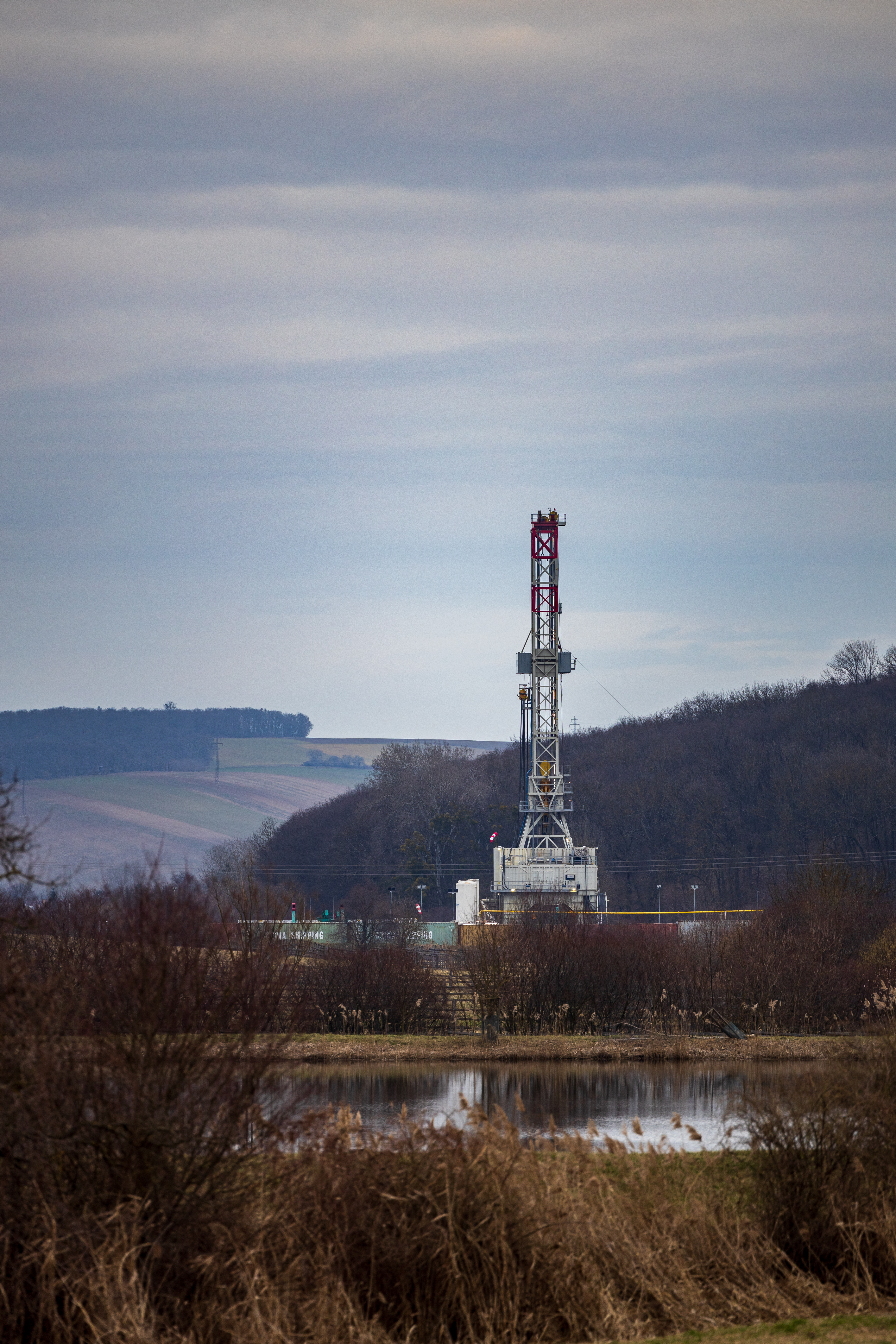
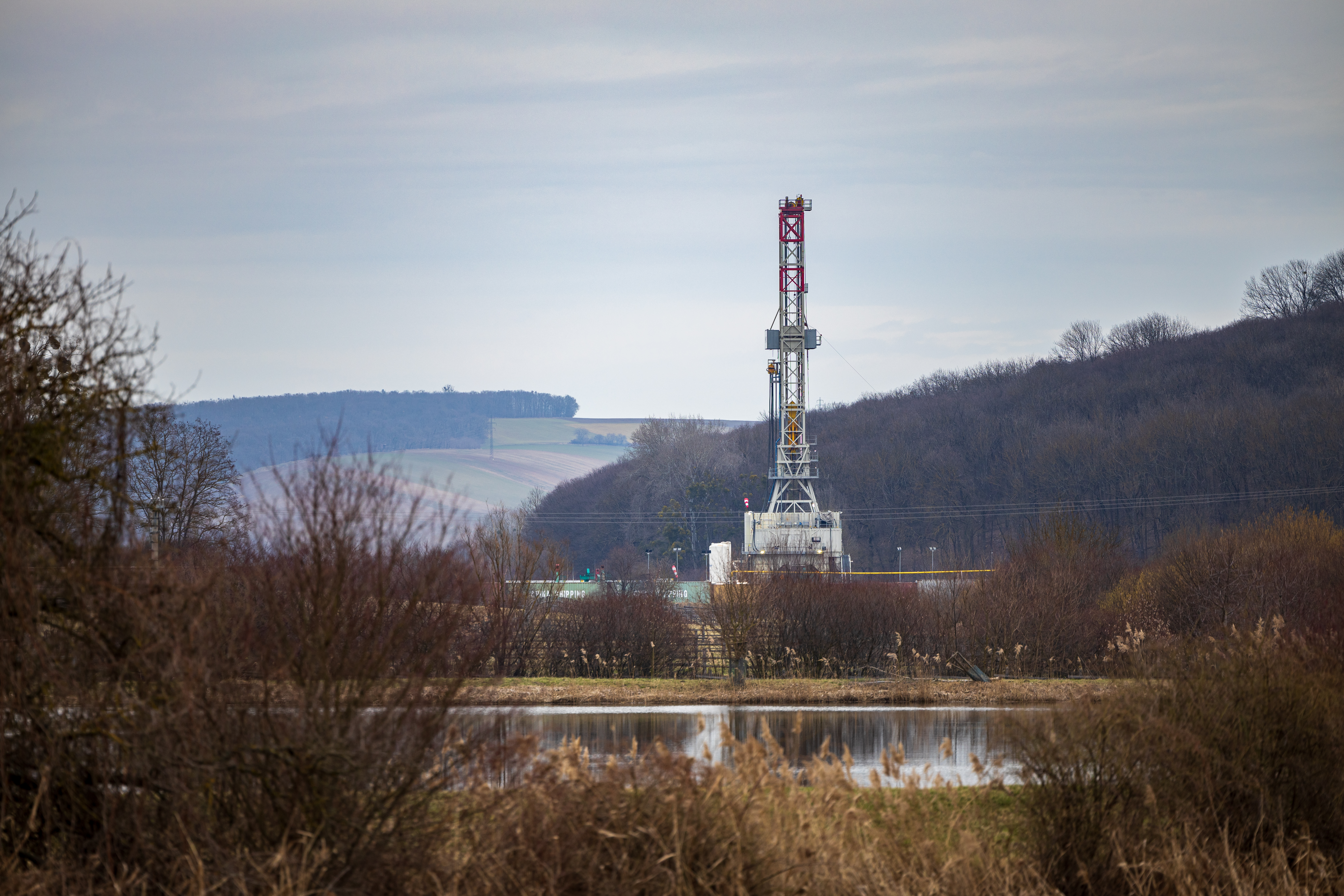
The site is located in the district of Breclav, between Borkovany and Velký Hostěrádky, next to a farm in a valley with a picturesque pond.
There are other areas in the vicinity where several boreholes are located - four more just 500 metres over the hill. It is thus a very well explored and "weighted" deposit. The chances of successful drilling were 80 per cent. The geologists knew exactly what they were getting into.
Forced shutdown of the probes
The specific nature of the Borkovany Eight, in the form of the presence of producing probes, imposed several constraints on the Drilling staff.
"Normally we have everything scheduled according to one key, and of course that's not possible now. We have everything closer together. Some of the probes have had to be shut down because they are already in the so-called explosive zone. The others, which are outside the protection zone, are producing normally," says drilling rig foreman Marek Vyšinka.
We meet on 22 February, when the borehole is already cased, cemented and the crew is preparing it for perforation. "It will be 39 shots per metre. So we will make 39 holes in the casing in all directions in one metre. The target horizon has a bearing capacity of 15 metres, so it will be almost 600 holes in total," calculates the foreman.
The target horizon lies at a depth of roughly 2,250 metres, not perpendicularly below us, but about 700 metres north of the rig itself. The drilling started to deviate as planned after only 50 metres. The same is true for the other probes. The Kozlik wells are straightened out a few metres apart, but the Klobouky 5 well, for example, "goes" 1500 metres away.
This is an oil field and the same is true for the "8". "However, it cannot be ruled out that there will be oil and gas in the upper part," geologist Jiří Berka points to the deviations in the carotation diagram. According to him, the entire deposit may have reserves of up to 400,000 cubic metres of oil and 400 million cubic metres of gas, but about a third of that has already been produced. This well is expected to develop another part of the deposit.
By the time production begins...
"We're in the final stages of drilling, we'll be handing over in a few days," announces rig foreman Marek Vyšinka. After the rig moves off site, a separation team will move in to check the well and verify the reserves using mobile equipment.
If everything goes according to plan, actual production will start here within a few months. Normally, infrastructure would have to be built on site, pipeline, gas pipeline, but in this case the presence of the previous probes is an advantage, so they will just connect to the existing technology.

Editor-in-Chief
Other articles
The Lužice complex following renovation
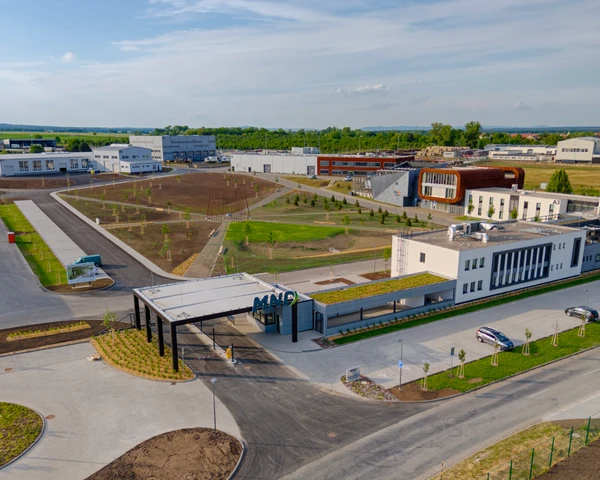
The second part of Karel Komárek’s two-day visit took him to the refurbished MND Drilling and Services site in Lužice. The project, involving an investment of 250 million crowns, not only saw the restoration of the site, which had been devastated by a tornado, but also its fundamental modernisation — from new operational areas and a central park to a comprehensive rainwater management system.
An IT guy who goes to the vineyard to clear his head
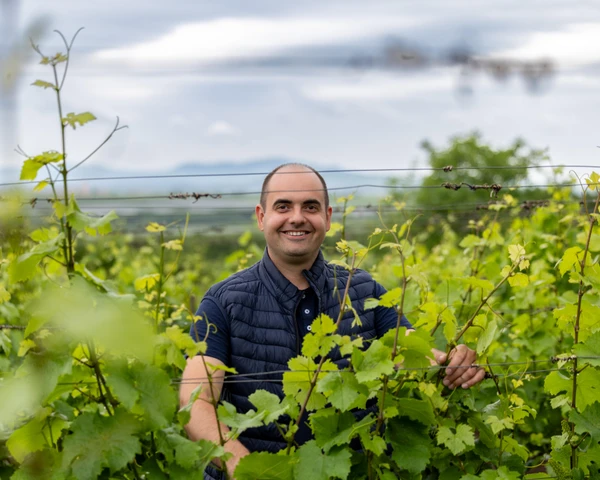
The road above Moravský Žižkov comes to an end, and from there on, the only way forward is a path winding through the rows of vines. It is here that Milan Svoboda ‘clears his head’ after work. During the day, he maintains servers and manages cloud systems and their security; in the afternoons, he picks up his secateurs and tends to the vineyard.
Košice as a springboard: MND sets its sights on further geothermal projects
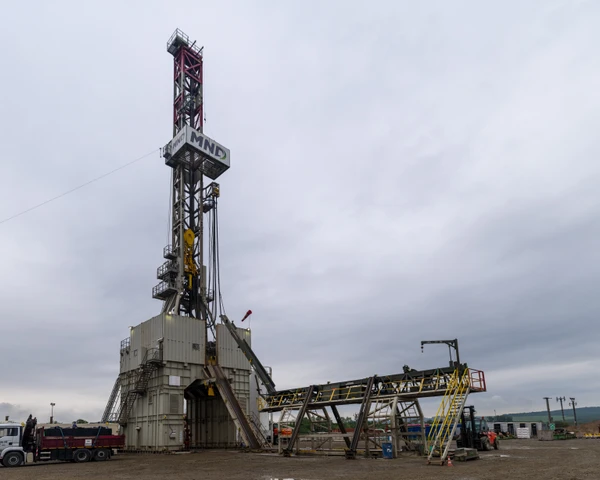
The completion of the boreholes near Košice shows that deep geothermal energy can serve as a stable source of energy even in Central Europe. At the same time, however, it raises questions about where this type of project makes sense and how quickly it can be scaled up. Radovan Jedlička, Head of Business Development at MND Drilling & Services, discusses the potential, limitations and further opportunities.