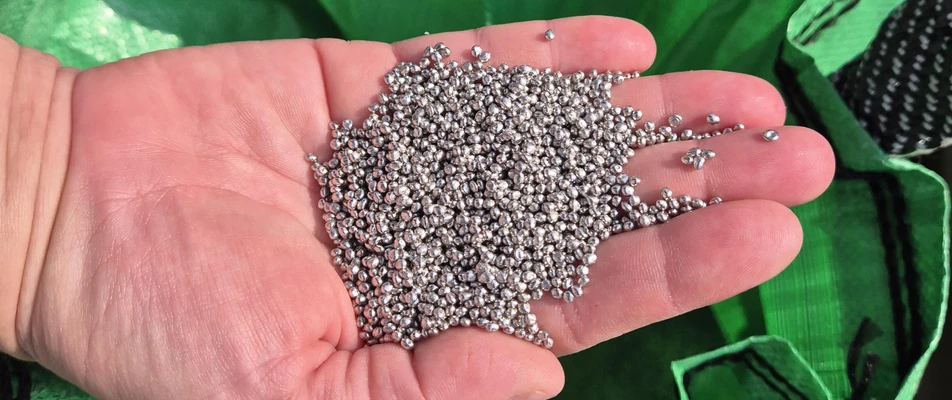
The bismuth plug worked. The unique method will also be used on gas storage facilities
In June, colleagues used a unique method at the Krumvíř 3 well - for the first time in the history of MND, a thermal isolation method using a bismuth-tin alloy was applied. And as it turned out, it not only works, but has the potential to solve a whole range of technical challenges. The first deployment took place in challenging conditions that conventional methods would have found difficult to handle - or even at all.
Why bismuth?
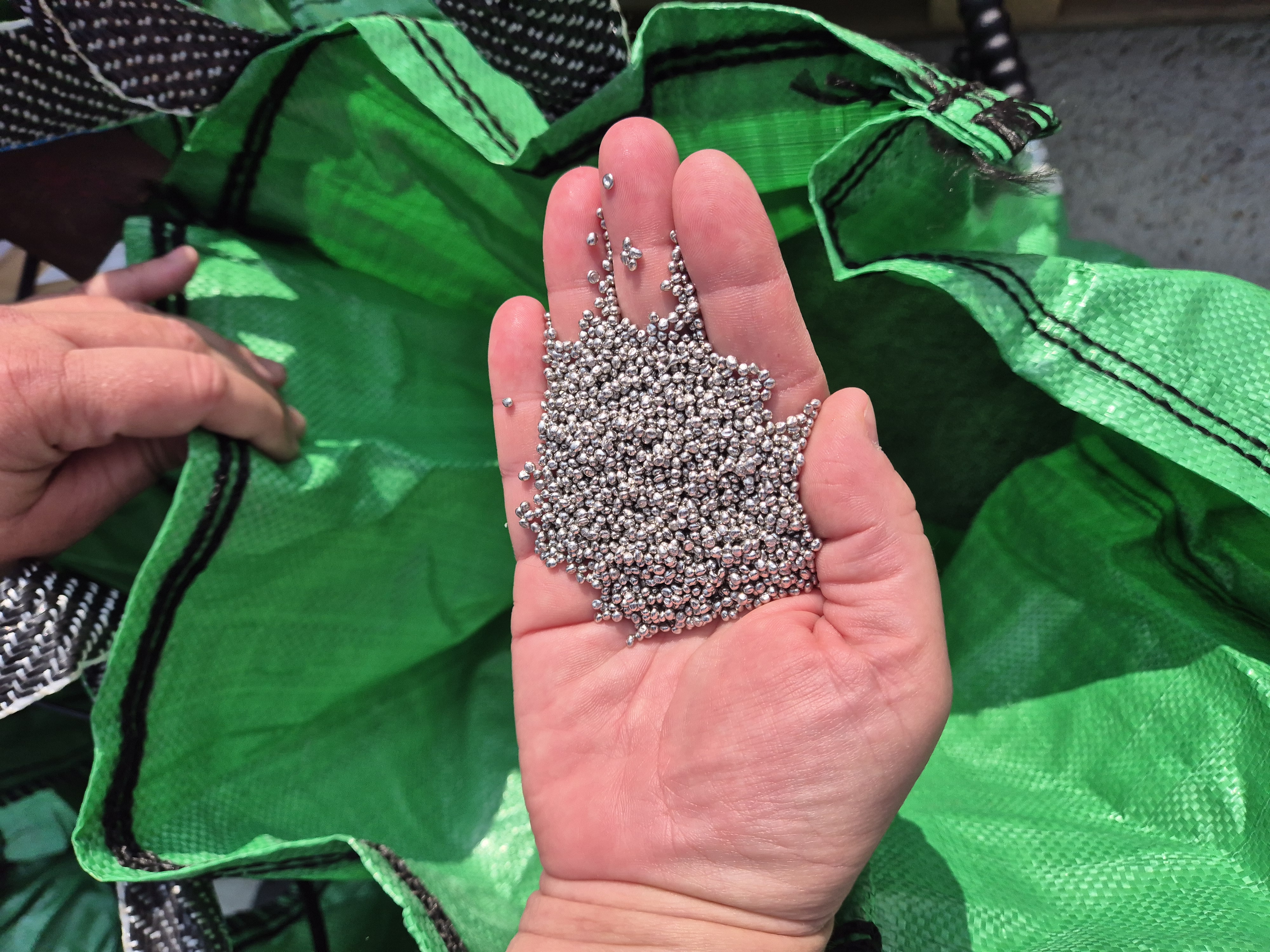
In layman's terms, bismuth alloy, due to its fusible and fast solidifying properties, acts as a smart plug that can seal the borehole in areas with leaks or poor cementing. Bismuth is a non-toxic heavy metal that is applied in combination with tin in the form of small spheres. When heated to a relatively high temperature of around 300 °C, the alloy melts, pours into the leak area and solidifies quickly. It mainly expands as it solidifies, thus filling the space perfectly, unlike cement, which tends to shrink after hardening and is therefore not always the ideal choice for solving leaks.
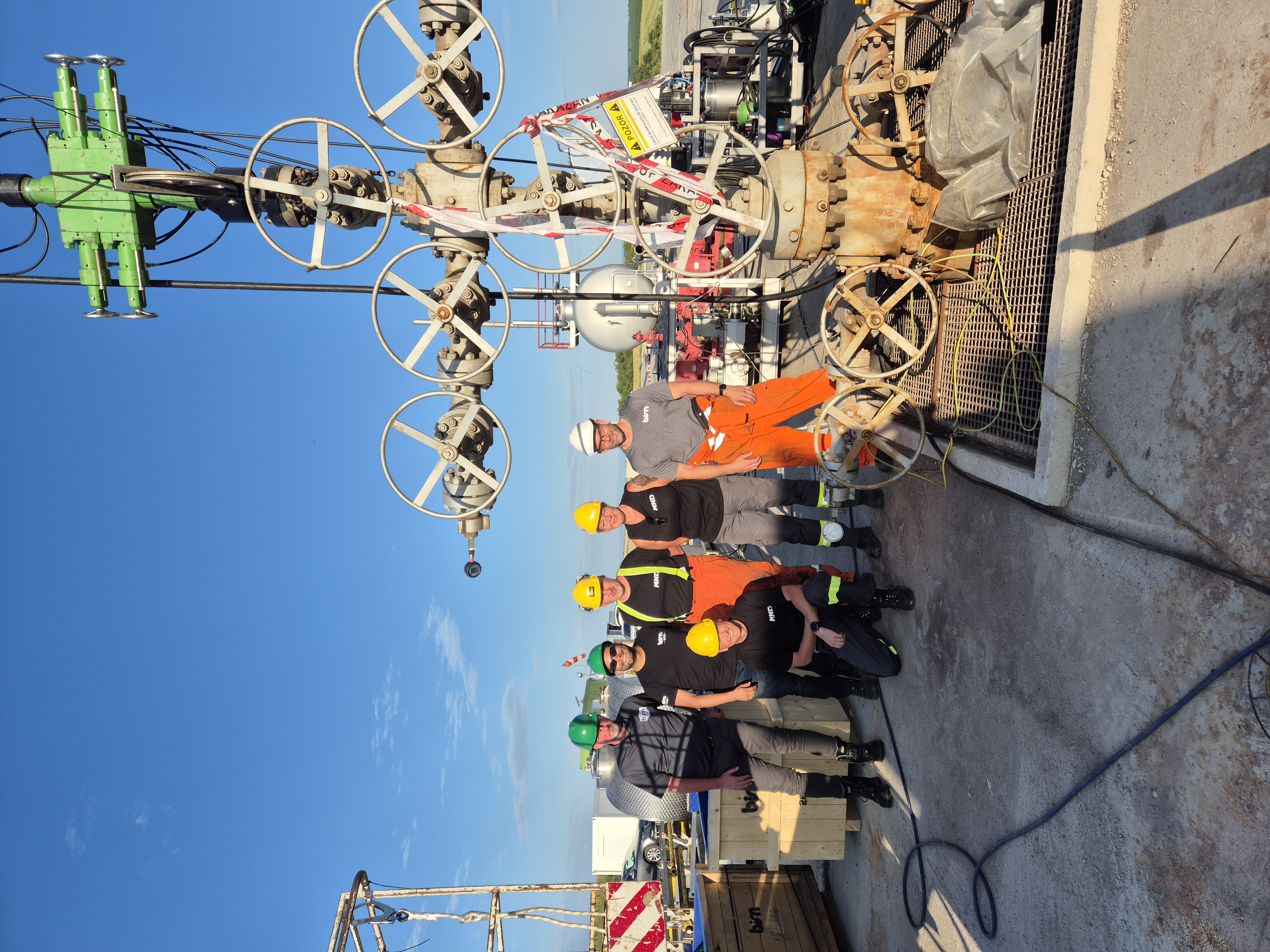
"I knew about the use of bismuth and had already been in contact with the British company in the past when I worked in Germany in the innovative technologies department. BiSN has over 500 thermal applications worldwide, but it was only at MND that I finally saw the method in practice with my colleagues," says project manager Bronislav Vago, who proposed the innovative solution to the problem at the Kru-3 well and supervised the entire project from design to application together with the technical team.
At a depth of 3,550 metres, colleagues were struggling with poor cementation. Below this section was an open horizon with high-pressure hot water. The well was to be drilled partly above this problem area, which posed a risk in the form of water overflow and therefore deadening the reservoir or preventing gas flow to the wellhead. The normal procedure would have required returning the entire drilling rig, milling a two-metre window and then pumping in the cement mixture. Not only would this be costly and time consuming, but the outcome would be uncertain. So the solution was a bismuth plug.
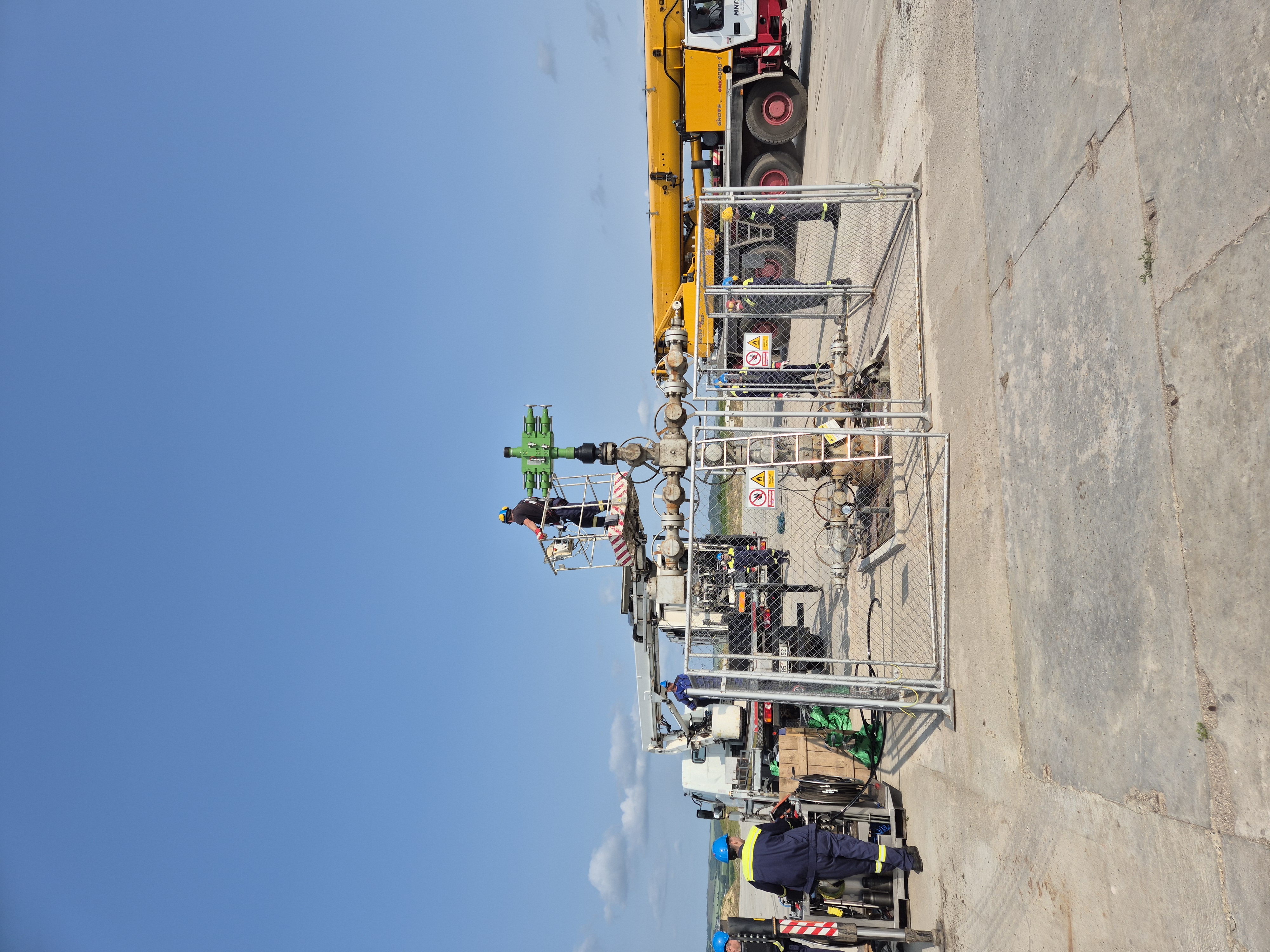
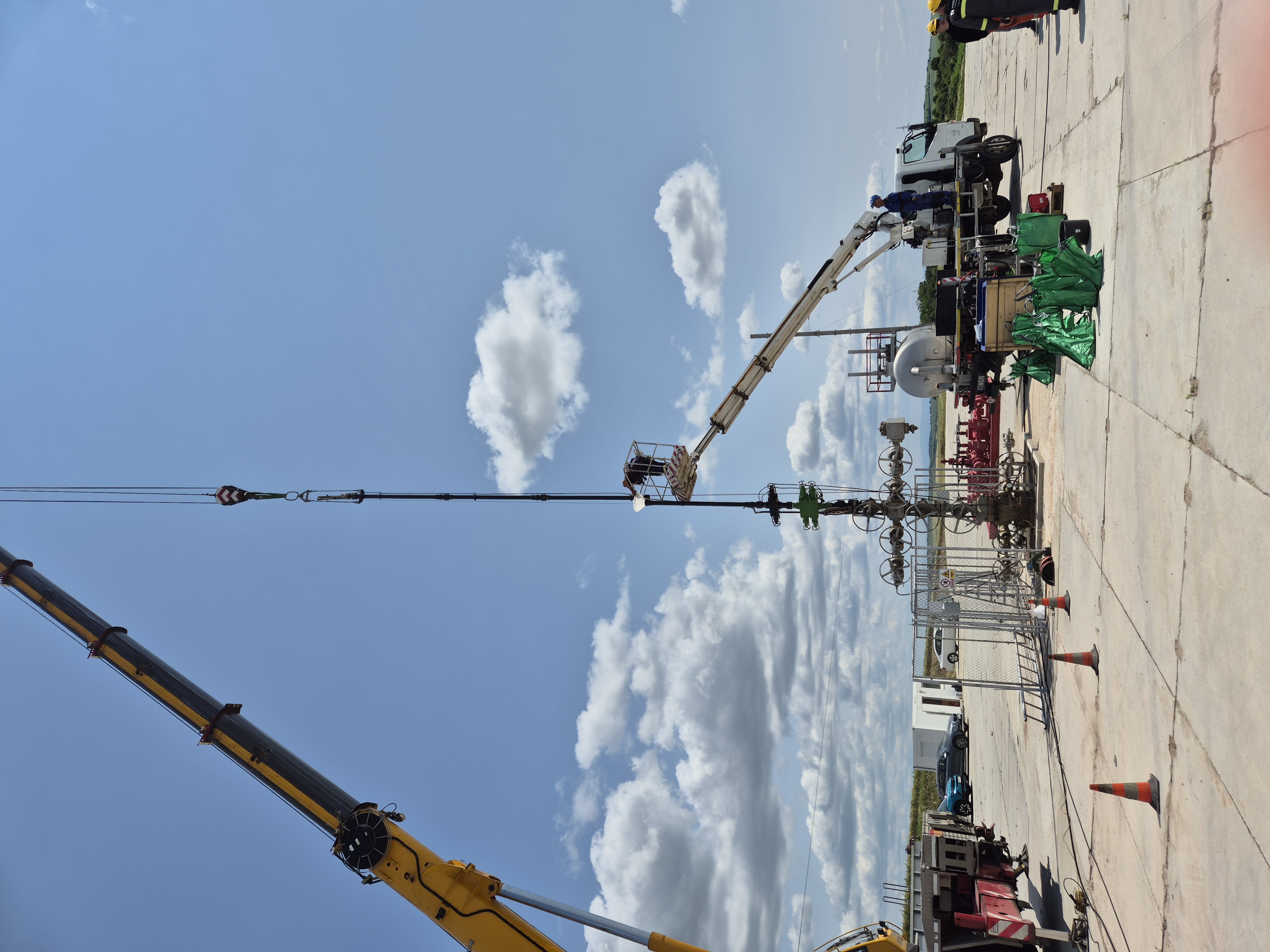
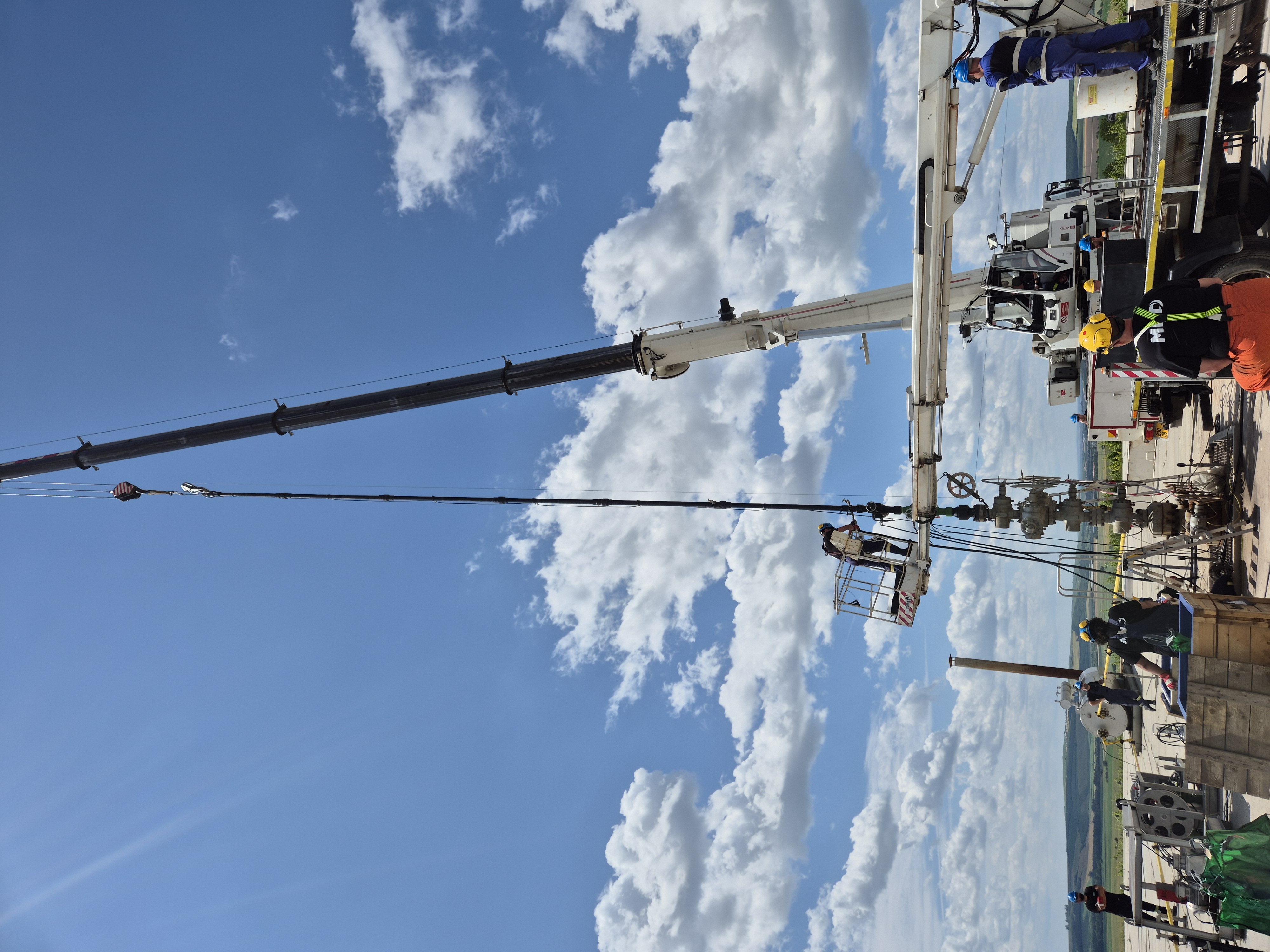
"We managed the whole operation with a crane and a few people. Compared to a conventional heavy rig, a significantly simpler, more mobile and more efficient procedure," adds Vago.
An unusual combination of methods
The technology was supplied by specialist UK firm BiSN (Bi-bismuth, Sn-tin), which has carried out hundreds of isolation or special disposal probes around the world, mostly on offshore deposits. Krumvir 3 was specific as the operations were carried out under full pressure, without probe deadening, or: live well, close tooling and high pressure. It was necessary to combine two commonly used BiSN application methods and tailor them to this situation.
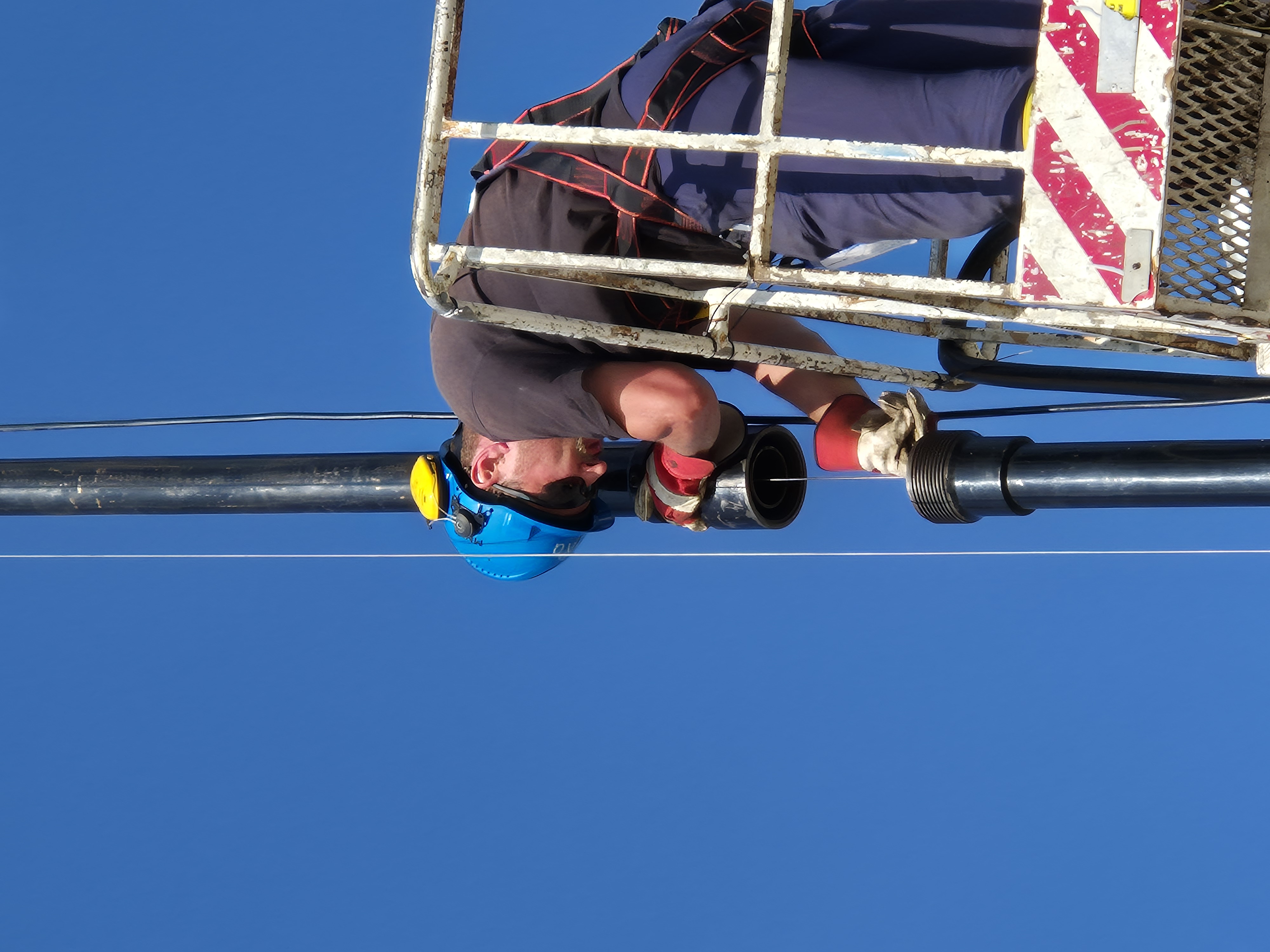
After making a small perforated window through which the molten alloy was to flow behind the casing, a thermal activator - essentially a timed fuse that activates a high-temperature chemical reaction of thermite and melts the alloy spheres after a set time - headed into the borehole. The molten alloy behaves like water, but has ten times the mass.
"We set the timer for ten hours to give us an operating margin. Everything went smoothly and on time. After that, we just monitored the pressure gauge at the wellhead and hoped that everything would go according to plan," says Vago.
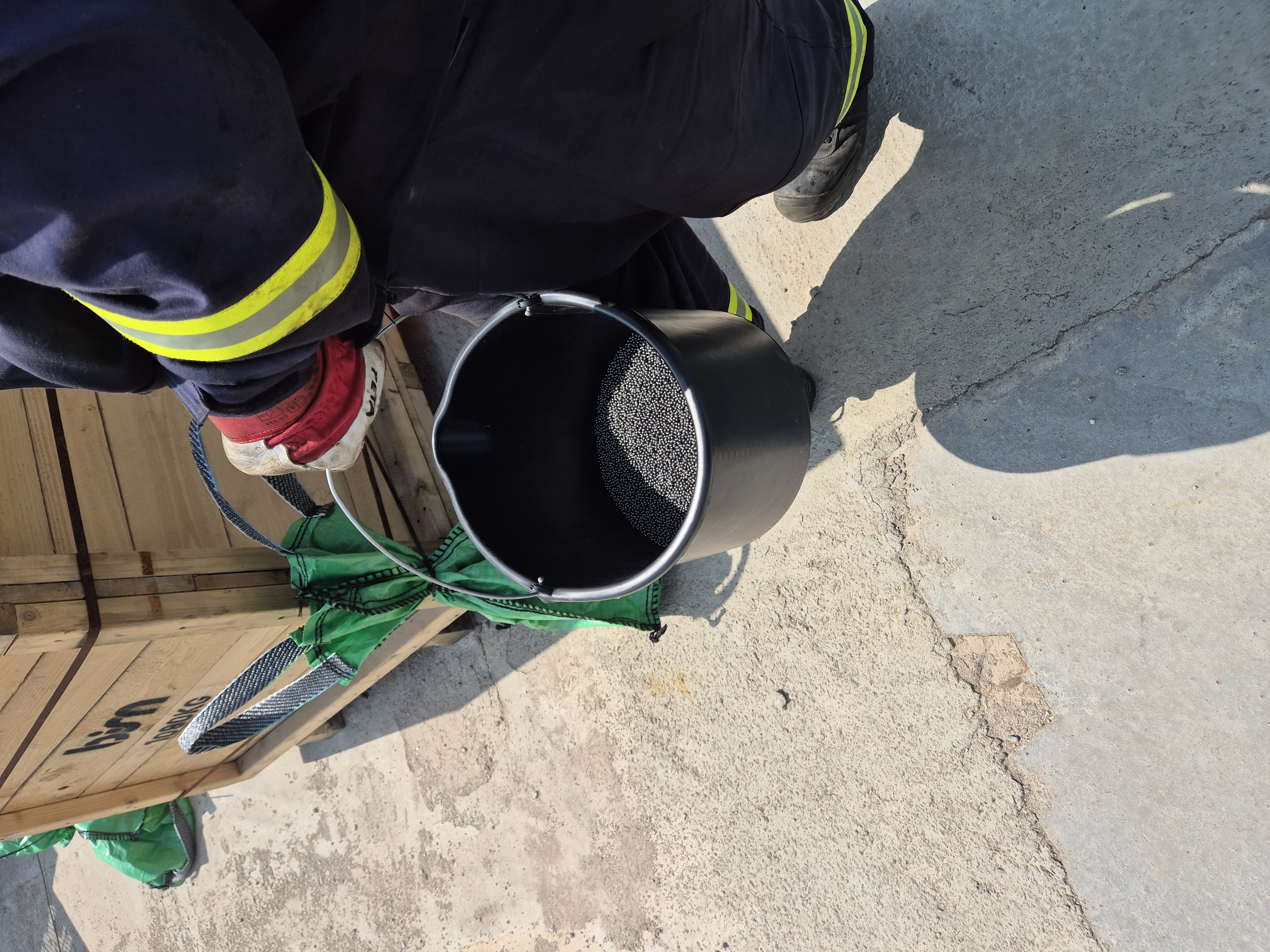
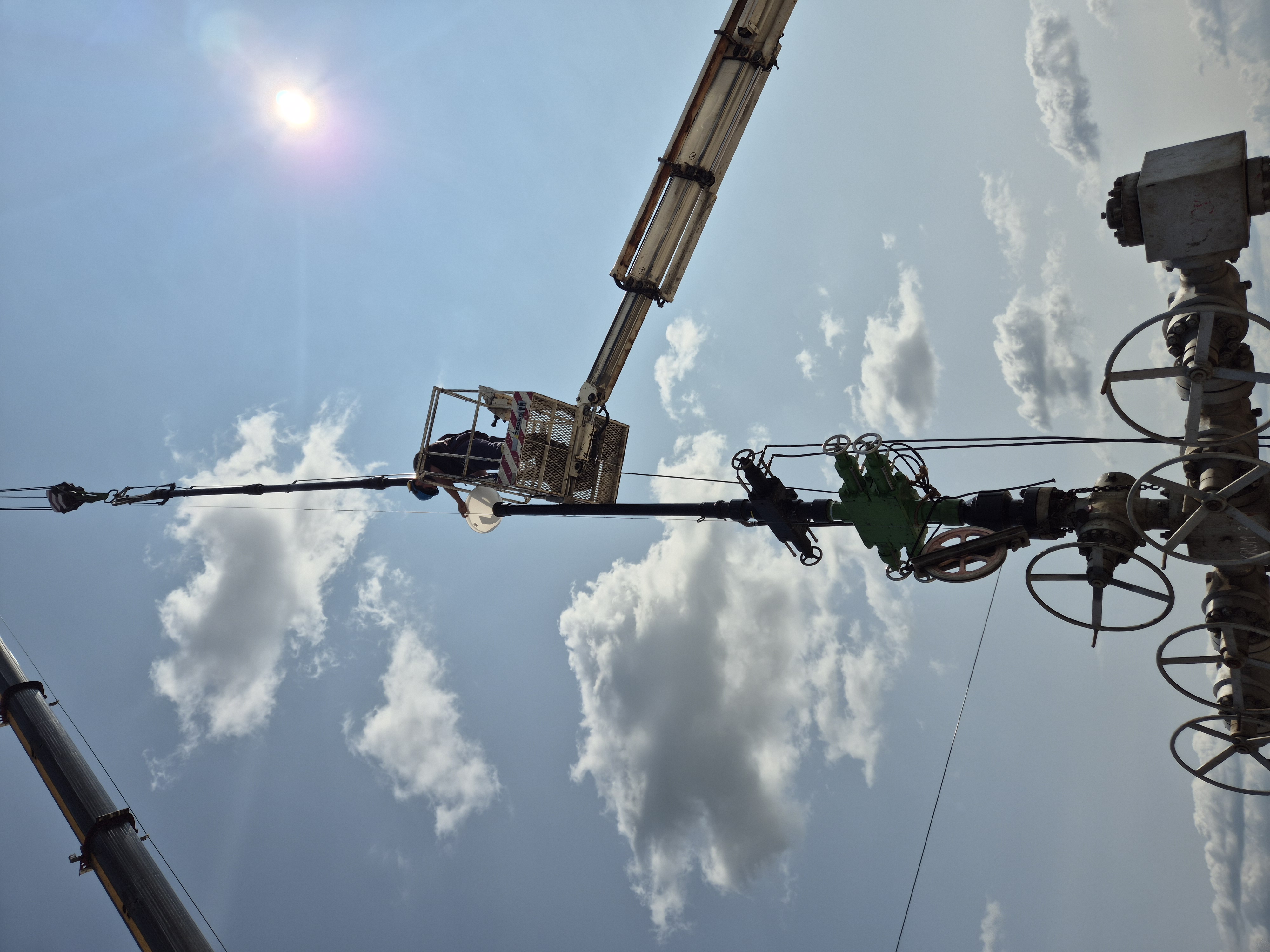
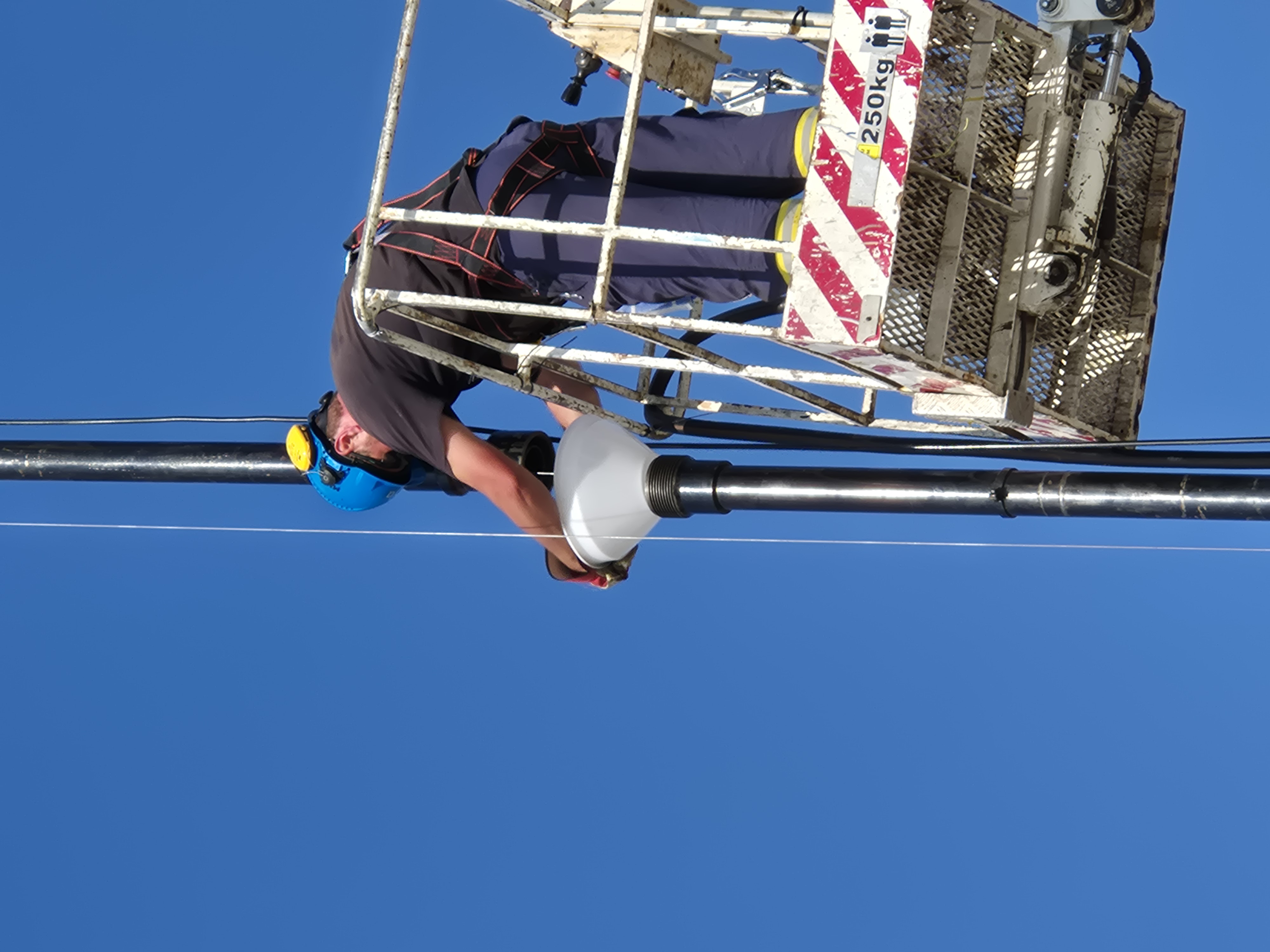
Placing the bismuth balls was not routine. The borehole was at 300 atmospheres, which meant that the entire system had to be kept under back pressure. The spheres were poured in small batches, in layman's terms, through the pressure chamber - and they weren't exactly light. One bucket weighed 50 kilos. In the end, some 460 kilograms of material were poured into the borehole, much of it made up of the underlying steel balls.
The result? The isolation was successful.
The bismuth plug worked as expected. It filled and sealed the space between the steel casing and the rock perfectly. The high-pressure water has been stripped and the team can now conduct a pumping test from the overburden horizon. "This will give us a relevant result as to whether the higher horizon has mining potential," confirms geologist Lenka Klímová. The results of the test should be known by the end of the year.
What's next? The successful application at Krumvír opens the door for further exploitation. The technology is proving to be a fast, efficient and cheaper solution for a number of situations - leaks in production but reservoir probes or in specific disposal of probes.
"We have now tested the technology. We know how to work with the material, how much time it takes and how costly the operation is. Most importantly, we know that thermal insulation works reliably," concludes Bronislav Vago.

Editor-in-Chief
Other articles
An IT guy who goes to the vineyard to clear his head
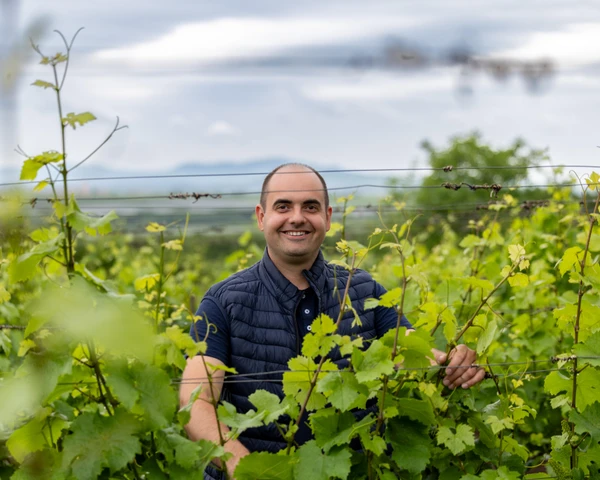
The road above Moravský Žižkov comes to an end, and from there on, the only way forward is a path winding through the rows of vines. It is here that Milan Svoboda ‘clears his head’ after work. During the day, he maintains servers and manages cloud systems and their security; in the afternoons, he picks up his secateurs and tends to the vineyard.
The new look of the Úprkov site
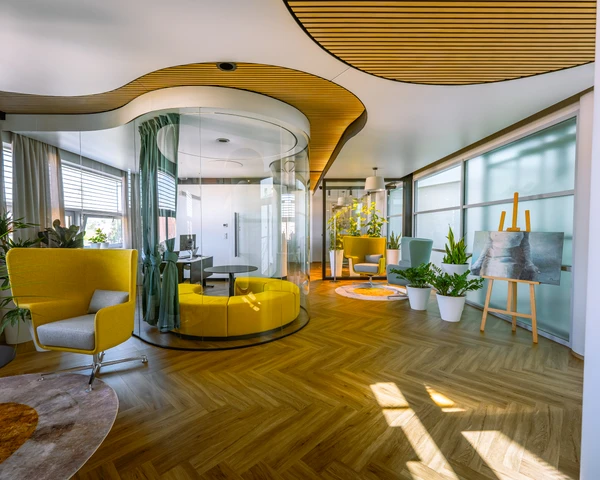
The refurbishment of the MND site and building on Úprkova Street is gradually transforming the working environment to better meet the current needs of both the company and its staff. This is not merely a technical upgrade – the project specifically combines functionality, aesthetics and the community aspect of the space. The transformation of the site is not taking place in a single phase. The refurbishment of the interior spaces has been underway since 2024 and also includes technical aspects such as the modernisation of the heating system. The modifications to the outdoor area are based on an architectural study prepared by Jung architekti at the end of 2025.
Poddvorov 27 – A reclamation project with a future
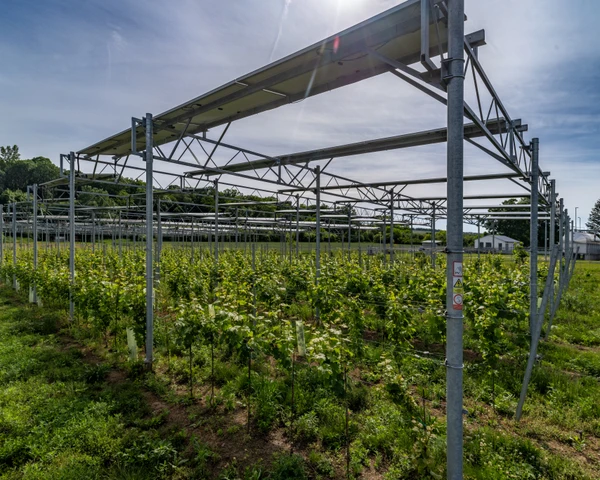
Perhaps no other MND site better illustrates the successful reclamation of land following the end of mining operations. The site of the former Poddvorov 27 borehole now serves as an example of how an area left behind by mining operations can be given a new purpose and actively utilised once more – in the form of a modern agrovoltaic concept.