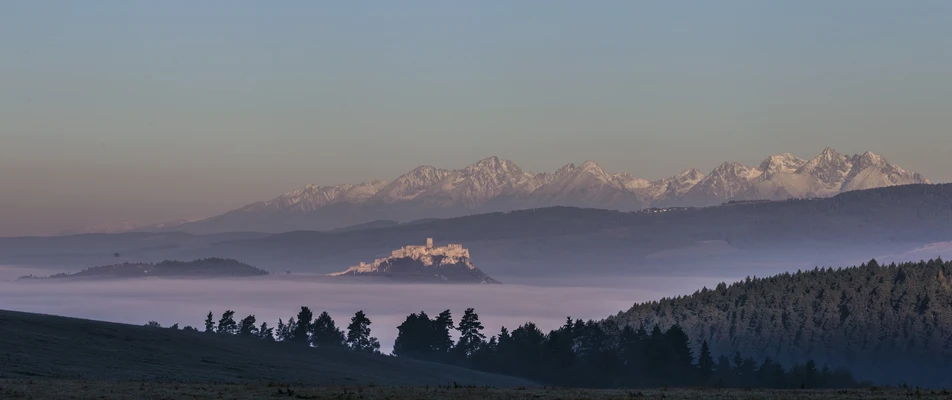
Comets, Perseids, meteors. Milan Pagac photographs the beauty of the night sky
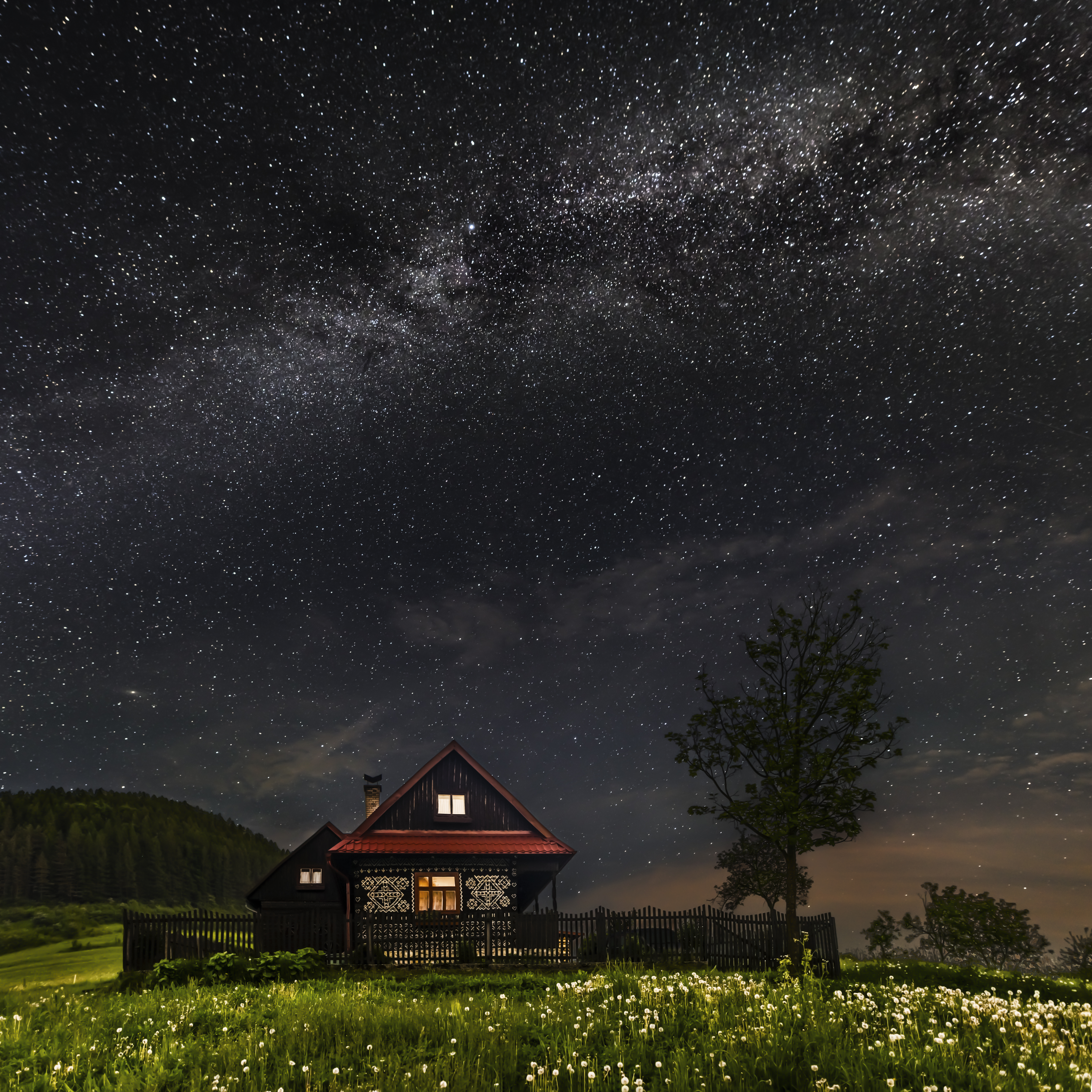
During the day he looks underground and works on dynamic models of bearings, after work he takes his camera and looks up at the stars. In his spare time, MND bearing engineer Milan Pagáč is an astrophotographer. He combines two hobbies: photography and his interest in space observation, which has been with him since childhood. His pictures are well known to many MND employees - they have appeared in the calendars of Drilling, where Milan's wife also works.
"Take up astronomyi since the sixth grade at the elementary school in Brezová pod Bradlom in Slovakia. We used to go star and planet gazing in the evening without binoculars.Every year we prepared for the district astronomy competition, which for years was dominated by rivals from the village of Sobotišt.e. But one year we did the almost impossible and beat them. Since then, when something extraordinary happens, I like to say, "That's, like when Brezova beat Sobotiste." Gradually. however, my interest in astronomy left me, and I got back into it when I saw some time ago time-lapseé videowhere they were captured beautiful Carinthian mountains and above them Milky Way. And I thought to myself: "I want to take a picture of that! So I took the plunge, bought some proper equipment and have been specialising in night landscape photography ever since," Milan describes the birth of his hobby.
But taking such an amazing shot is not like going out into the meadow to photograph bugs and flowers. Capturing quality night skiesu is quite a demanding expedition, which is also preceded by quite a lot of time spent on astronomical research. When, Where, what will be in the sky to see and from where it is possible to capture it so that it to actually to see even on photograph.
"When photographing meteors, it means many hours in the field. Perseids are perfect, it tends to be warm, you take a tent, a sleeping bag and you stay there all night. But I have been photographing a meteor shower in minus 18 degrees. It was a 50-minute walk from the car 1550-pound backpack. I had scouted out a nice tree. I didn't last more than two hours and went back. And in the end, it was nothing, because I didn't catch any nice meteors. That's the way it is sometimes." Milan laughs. The easiest thing to do to take pictures of Orion, for example, or some of the planets, then it's a question of of the whole hours.
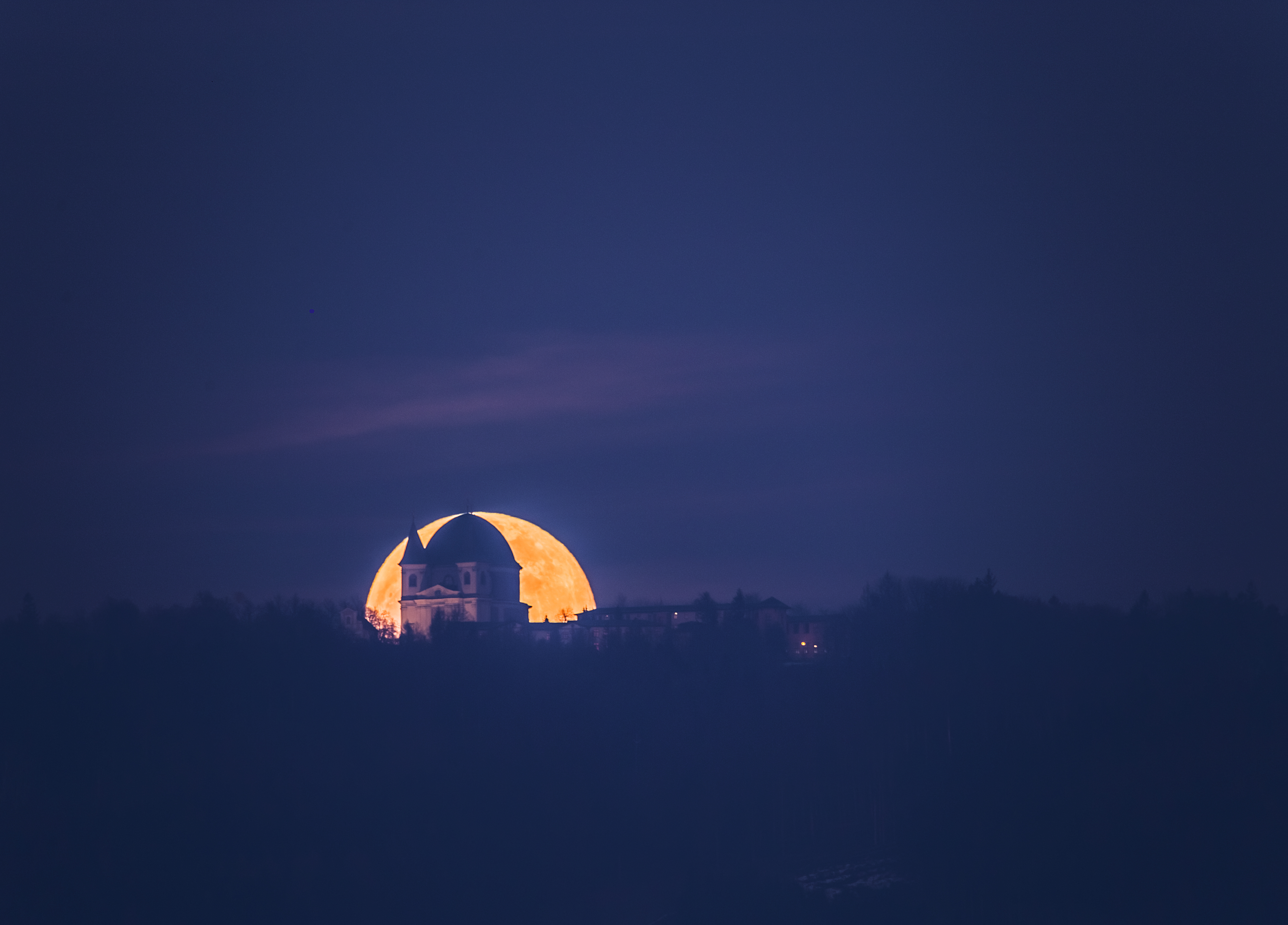
The real challenge starts when you want to take pictures of, for example East or West moonrise or moonrise so that to in the picture behind or above somem objectem - such as a churchem, castleem and so on. For this purpose, today there are applications that can calculate, exactly where the moon will be at a given point so you know where to stand at what time. It's different every day. It's amazing how fast the moon moves compared to the Earth.
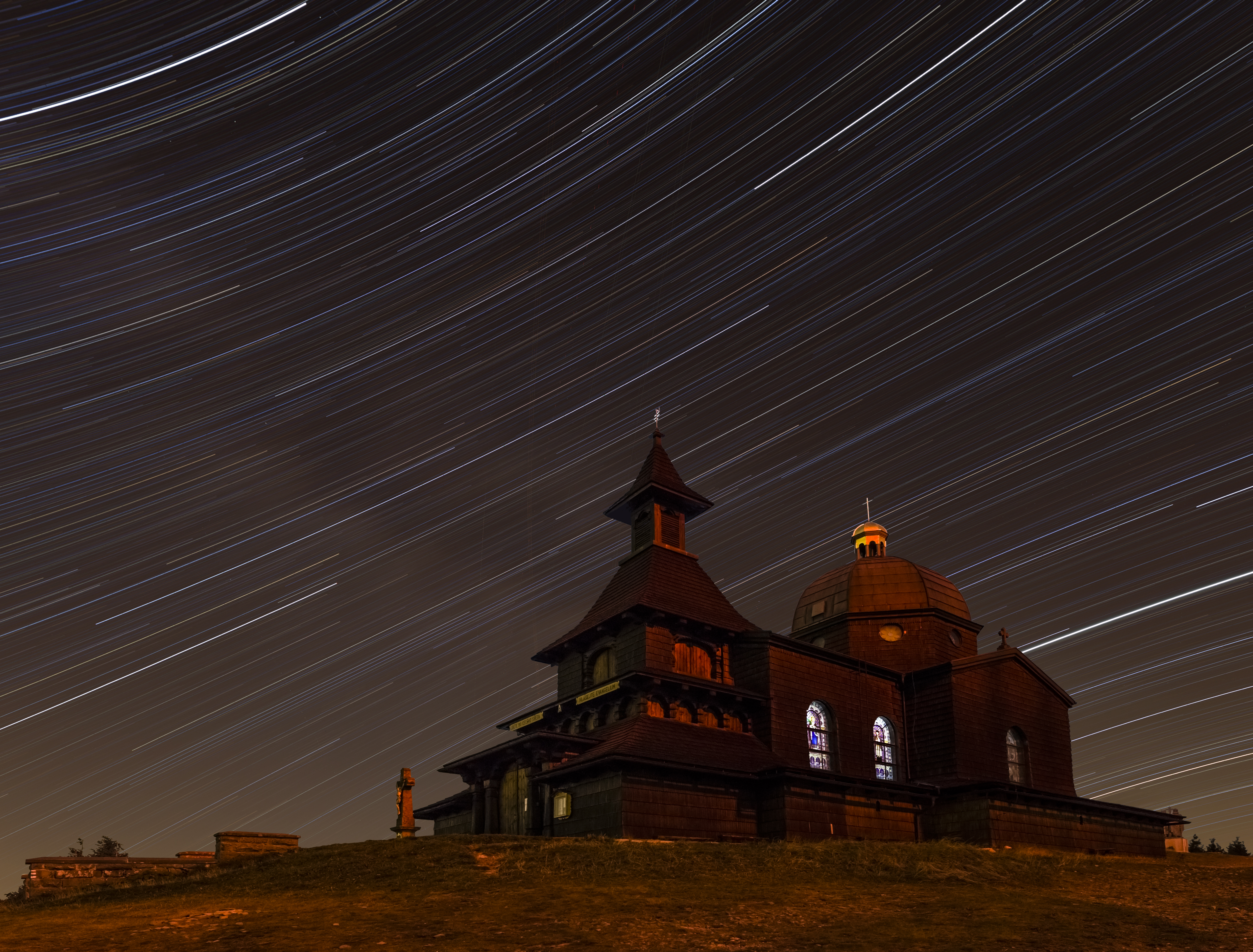
In a sense, that's true of the stars, too, because when you take a picture of the stars over a long period of time, you don't get glowing dots, you get long lines. That's why you use a special device on a tripod that moves the camera slowly and eliminating the rotation of the Earth in relation to the surrounding universe. This keeps the photos sharp.
"Every time there is a a phenomenon like an eclipse or I think about what to get interesting in the foreground of the photo, so it's not just the sky, that would be boring. I like ruins, churches and the like. I'm researching if it's going to fit azimuthally and then refining in the app exactly where to put it," says Milan.
You need to get to the location in daylight, because you can plan it beautifully and then get there and find there's an electricity pylon or a tree. But it could be that there's arrivee and you find out that everything is wrong and you can go home. Or the clouds may come and there is no night sky.
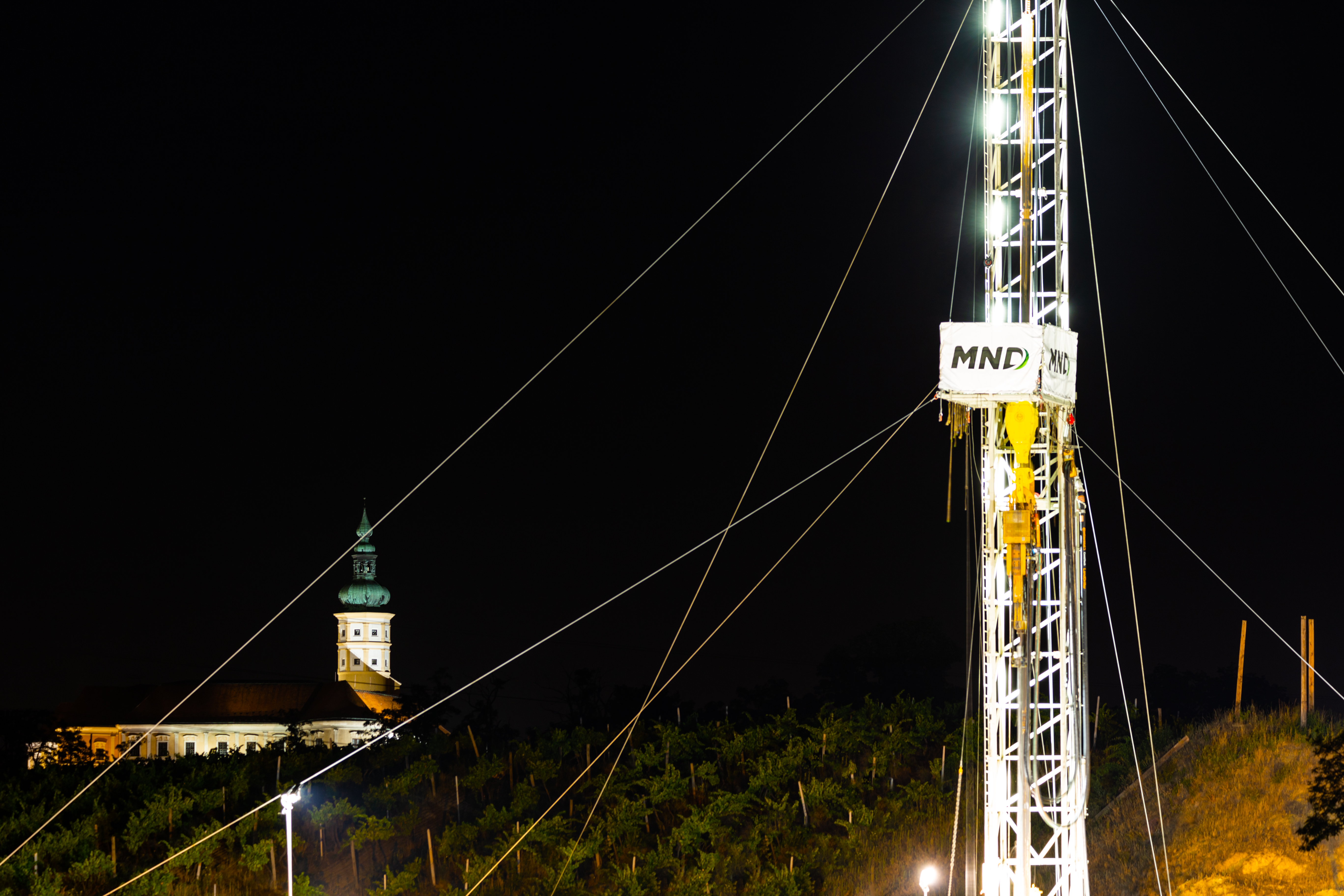
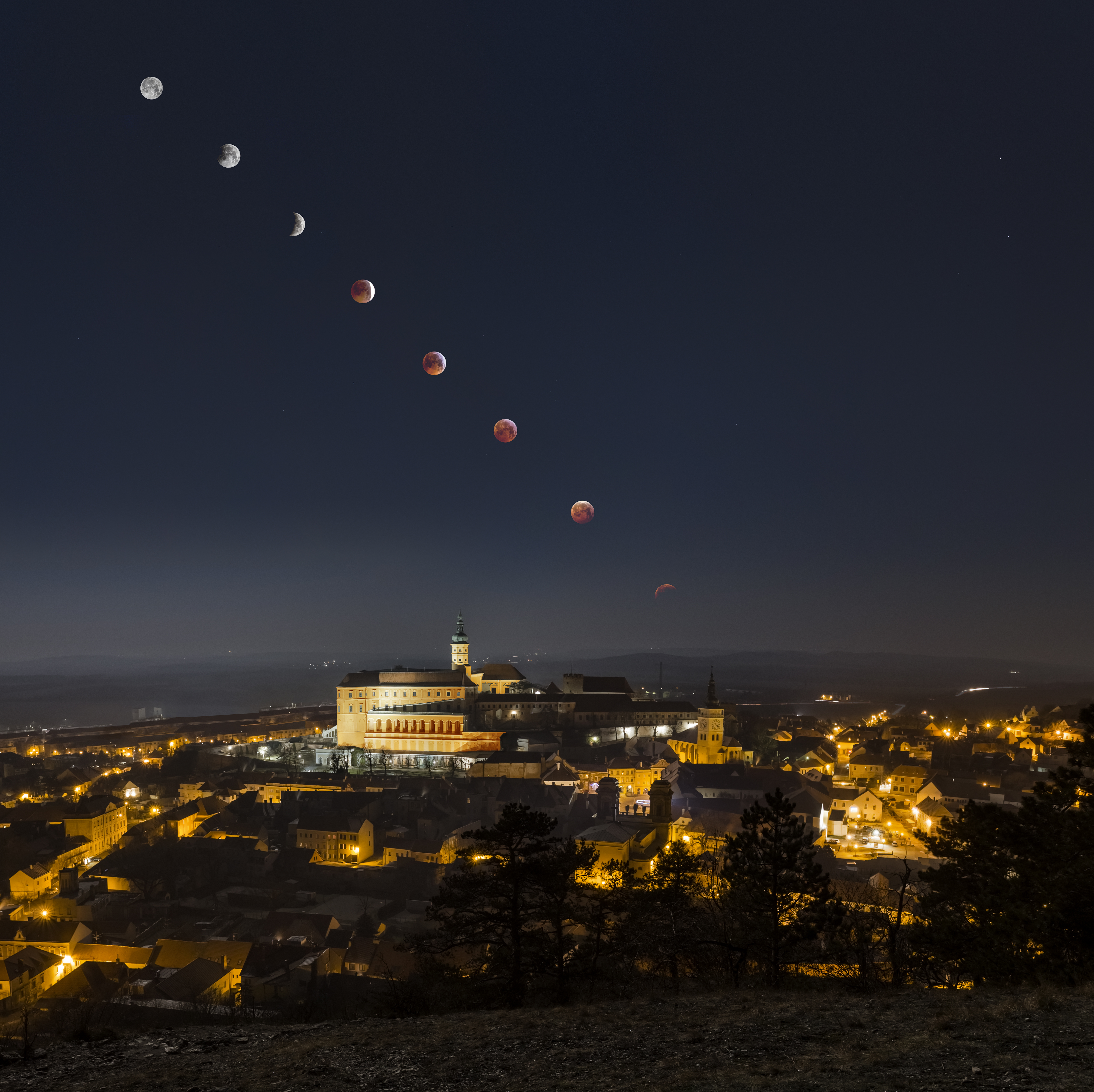
When you see a picture of a night landscape with stars, it is usually several photographs folded into one. Landscapes are photographed over a much longer period of time, maybe even a quarter of an hour. It was similar in the case of Milany pictures fromof the moon ond Mikulov.
"I had two tripods and two cameras. On one of them I had placed on a telephoto lens where I took pictures of the moon every quarter of an hour, and on the other one I took pictures of the castle and then put them together so that the position of the moon relative to the lock to matcha the exact reality," he describes. The stars are photographed for a shorter time, but creates 30 to 40 images, and they're stacked together to make them brighter and more distinctive. Subsequent editing or post processis really demanding, and you can spend hours on one photo.
What about the beautiful images Milan does he do?
He sends some of them to competitions and he has already shone with some of them. Slovak magazine Kozmos awardedin 2020 his photograph of the chapel on Radhošt' with star trails with second place.
"Inside the chapel nand Radhost we were during the day and I loved it. The sun was shining in the windows, a it made it the beautiful, colourful motifs in them stood out. ŘI thought it would be beautiful to photograph and started thinking about how to do it at night. Then I noticed that there were windows on the other side as well. So I took all the headlamps I had and installed them in the opposite corner of the window.. oken so, to shine through the chapel. Plus, I'm I put a lightning bolt in there. TI'm using actually inside the chapel like lit," he explains the making of the picture. Success with it he did not expect, because top astrophotographers such as Petr Horálek took part in the competition.
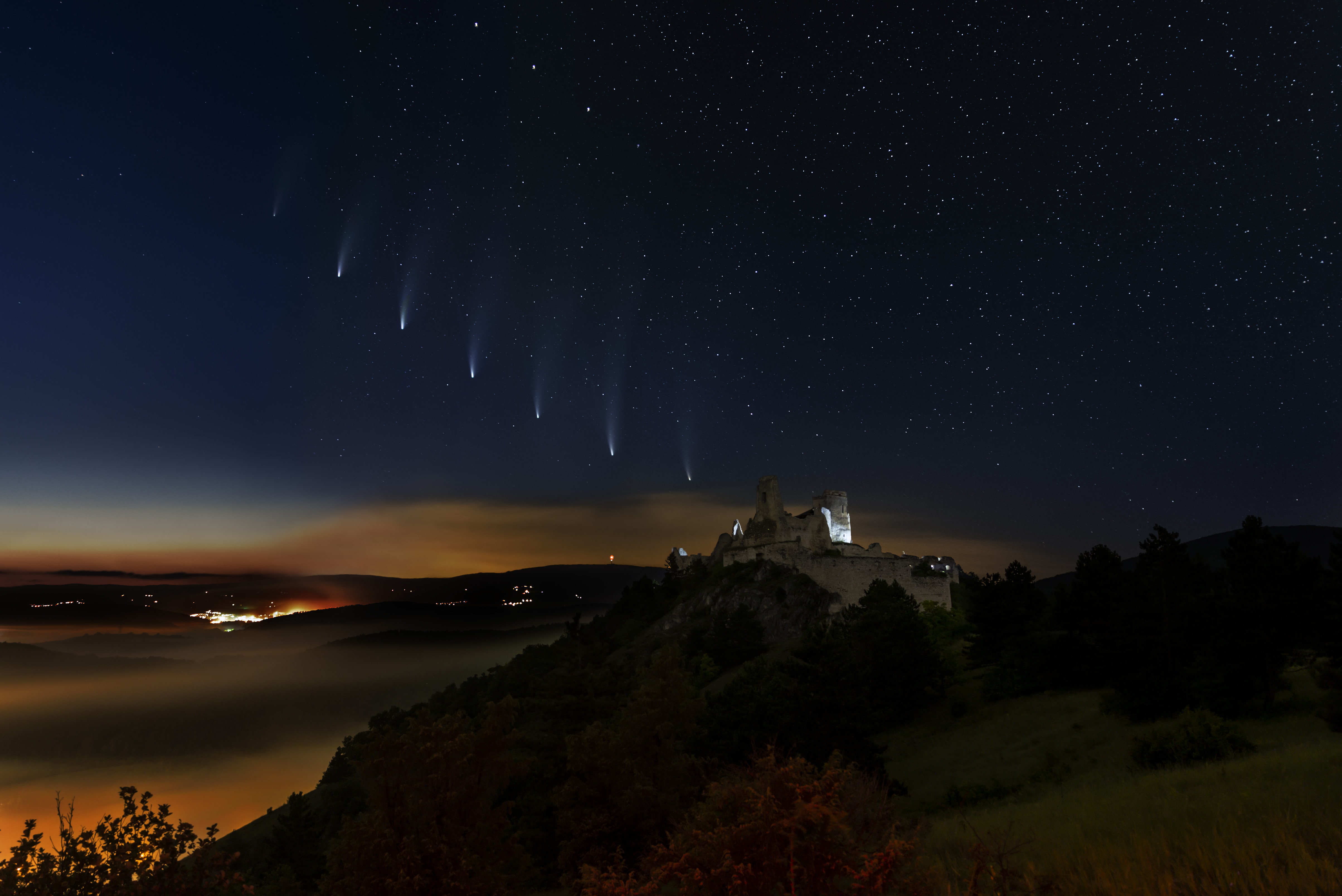
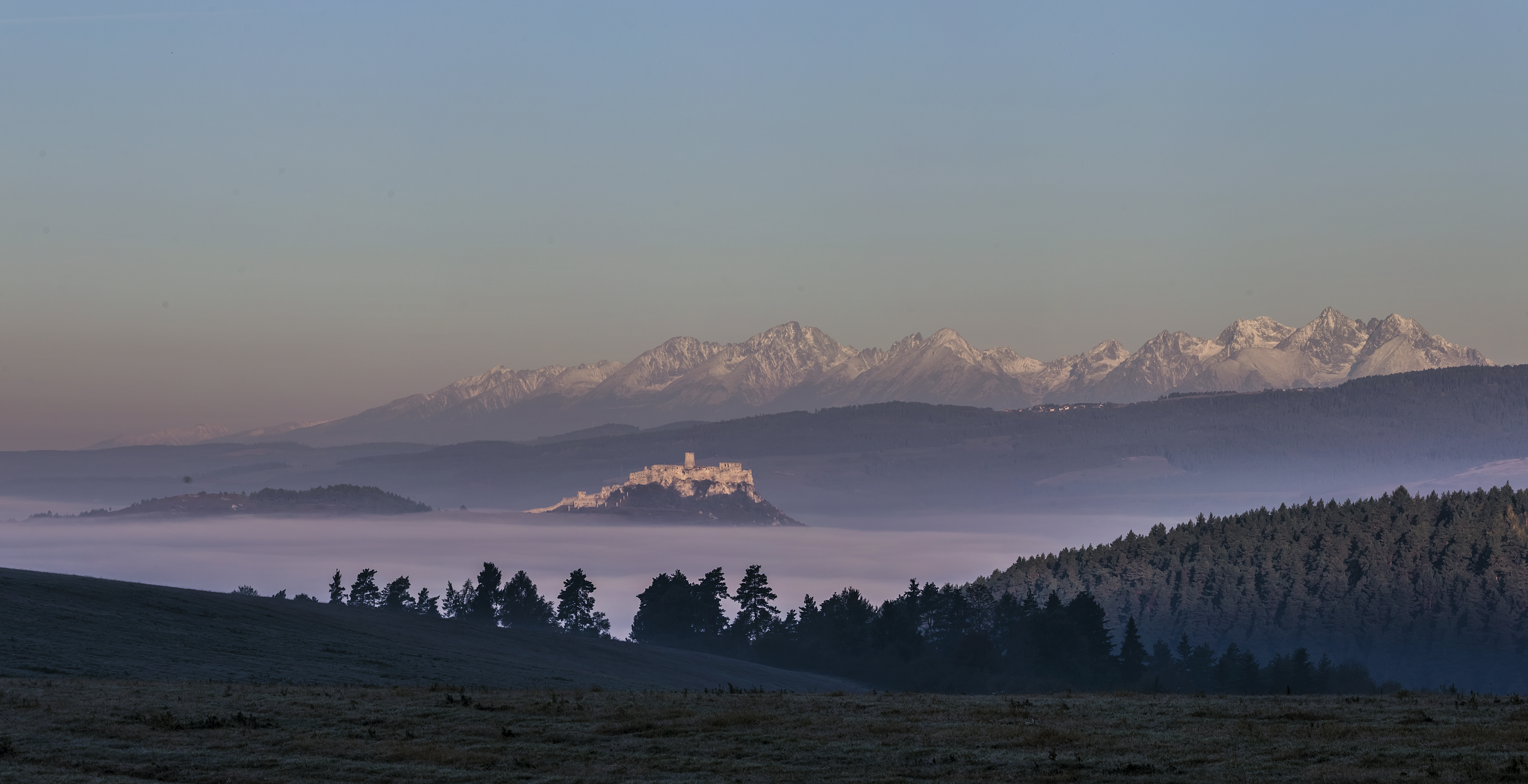
In addition, the very next year Milan won the competition - with the image čachtic castle with a comet flyby.
"I don't do so many expeditions now. On average....one a quarter, I used to go more often. Now ...I wouldn't go at minus eighteen. I'm more comfortable, I look for places to park, lie down in the car.," he adds.
Other articles
Introduction of MND Ukraine team
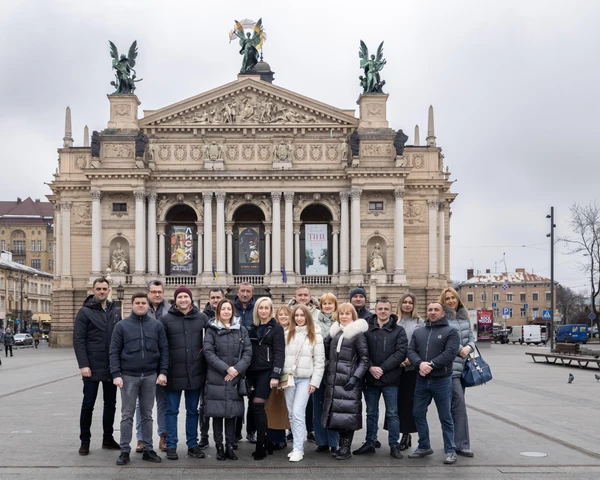
MND Ukraine consists of a group of several companies. Today the main company in Ukraine is the company Horyzonty. MND Ukraine owns exploration and production rights from a total of eight licenses covering an aggregate area of almost 400 square kilometres and with a daily production of 500,000 cubic metres. MND's activities are currently managed by 59 colleagues.
Shallow drilling campaign to start next year based on results of latest 3D seismic
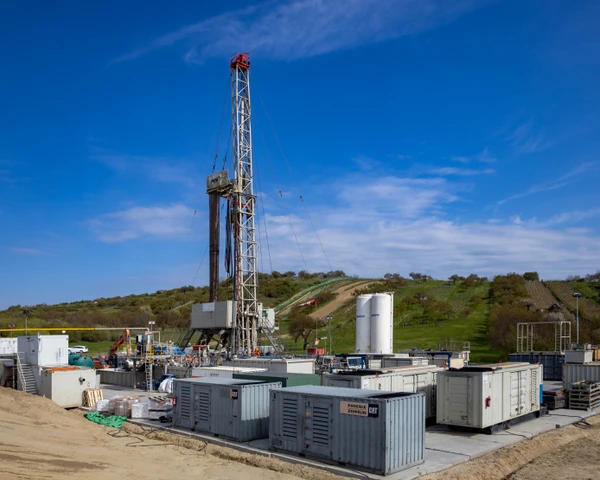
For next year, our geologists have prepared a series of wells that they have identified based on the latest large 3D seismic survey. The campaign will start in the second half of the year in the Dubňany and Skoronic area. During December, however, work will begin on the last well of the season - Mikulov 3.
Artificial intelligence is already helping in MND
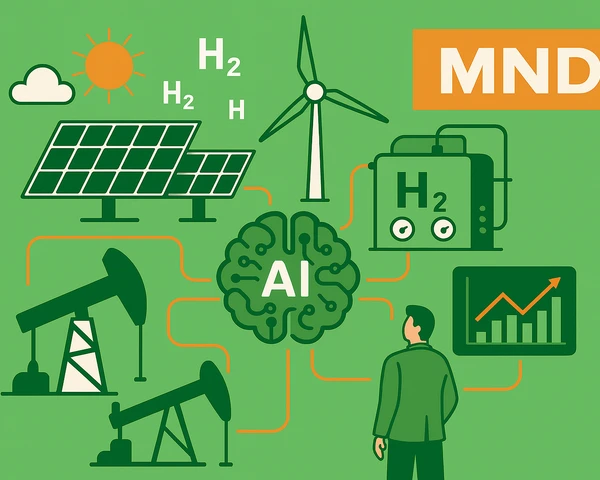
In recent years, Artificial Intelligence (AI) has become one of the most discussed technological phenomena. For a long time now, it has not only been discussed in the context of science fiction films or scientific research institutes. Thanks to increasingly powerful computing and the availability of data, AI technologies have seen a huge boom in recent months. AI is now making real inroads into all aspects of our lives, from work to healthcare, science, education and entertainment.