Poddvorov 27 – A reclamation project with a future
Perhaps no other MND site better illustrates the successful reclamation of land following the end of mining operations. The site of the former Poddvorov 27 borehole now serves as an example of how an area left behind by mining operations can be given a new purpose and actively utilised once more – in the form of a modern agrovoltaic concept.
The Poddvorov 27 well was drilled in 1959 and was one of the region’s major production sites. “At the time, a total of five deposit features were tested at the well through pumping trials, with an industrial flow of hydrocarbons confirmed from two of them – the Láb Horizon and the Sarmatian Sands,” explains reservoir engineer Mariana Prochácová.
Towards the end of 1959, the Lábský horizon was opened by perforation, from which a flow of oil accompanied by gas was achieved. Initial daily production amounted to approximately 20 cubic metres of oil. Oil production from this horizon ceased in 1963; in total, approximately 16,000 cubic metres of oil and 1.5 million cubic metres of natural gas were extracted.
“Following a major overhaul in 1979, the well was brought back into operation, this time focusing on gas production from the Sarmatian sands. Daily production in the initial phase reached up to 25,000 cubic metres of natural gas and, with minor interruptions, continued until 1989, by which time a total of approximately five million cubic metres of gas had been extracted from this formation,” adds Prochácová.
The well was taken out of service in 1989 and was decommissioned in 2020.
A second life for the well after production
It is precisely the period following the end of production that is crucial for sites such as Poddvorov 27. However, before the site can be put to a new use, it must undergo thorough reclamation, which involves extensive construction work and terrain modifications.
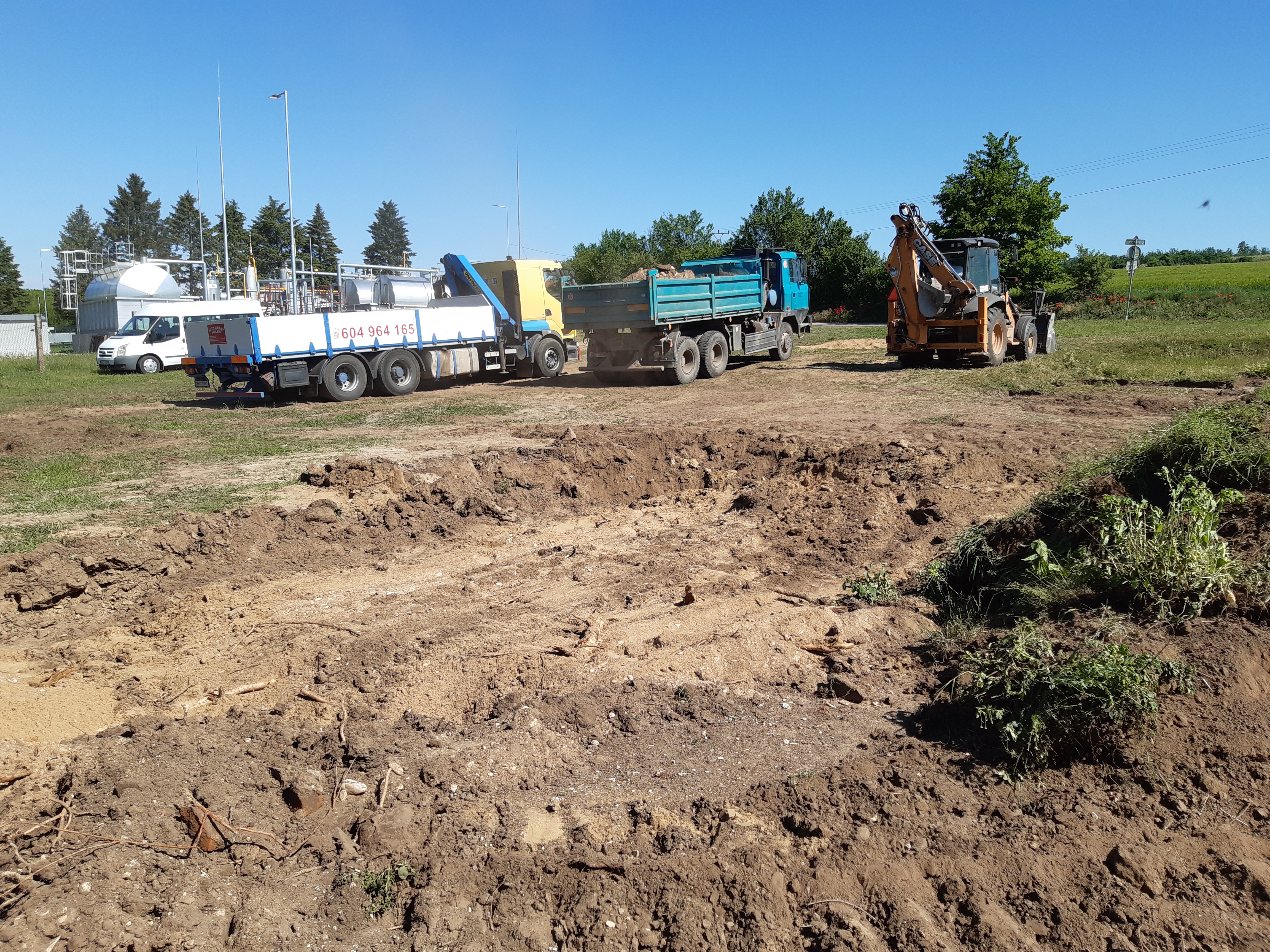
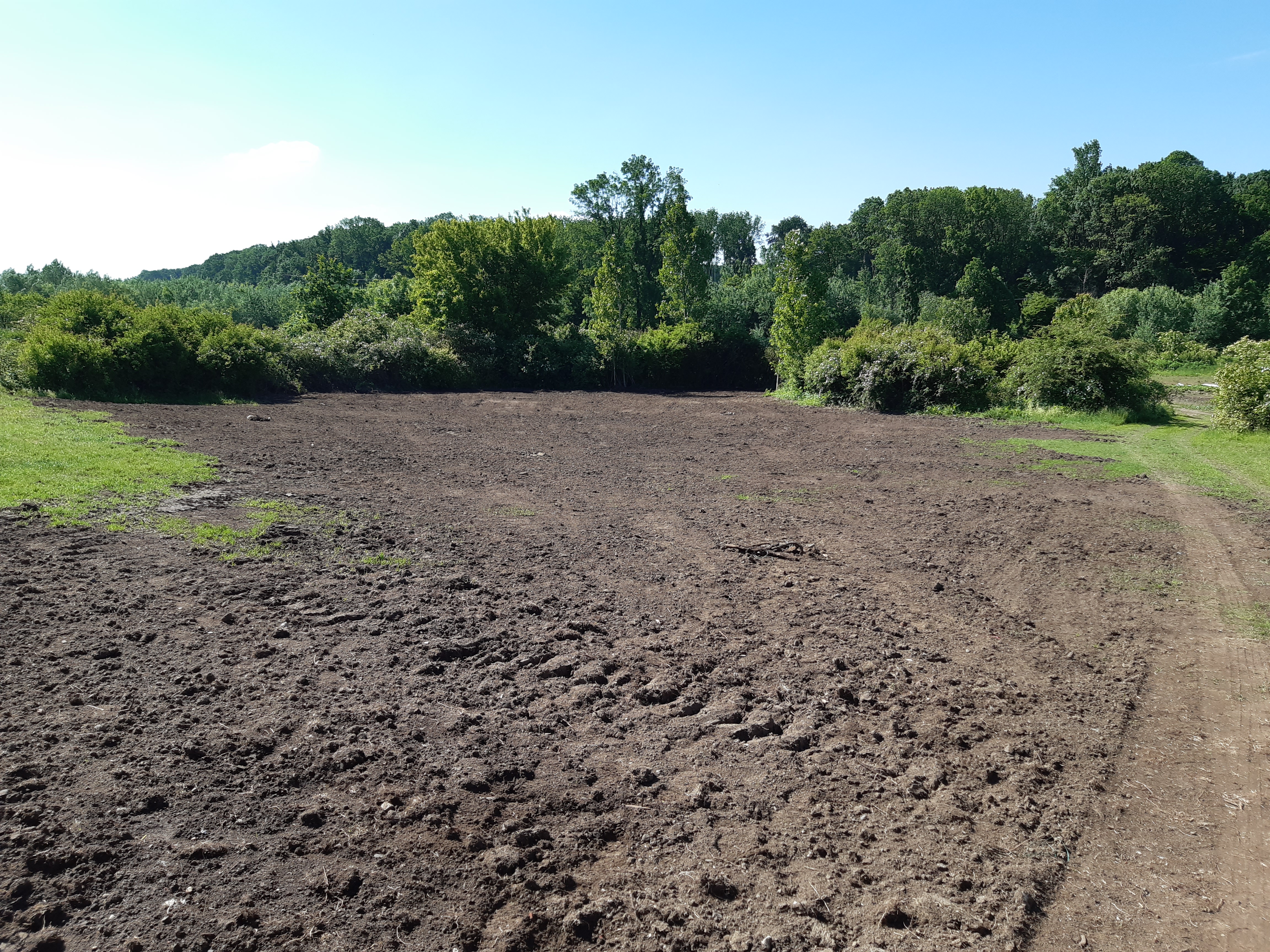
“Reclamation of the site began in May 2020. First, it was necessary to remove the existing concrete road slabs, which were either taken away for further use or, if damaged, dismantled and sent to a construction waste tip. This was followed by the demolition of the original foundation structures and the basement section of the borehole,” explains Martin Kraus from the engineering department.
The work also involved removing the sub-base layers and unsuitable soil from the site of the borehole.
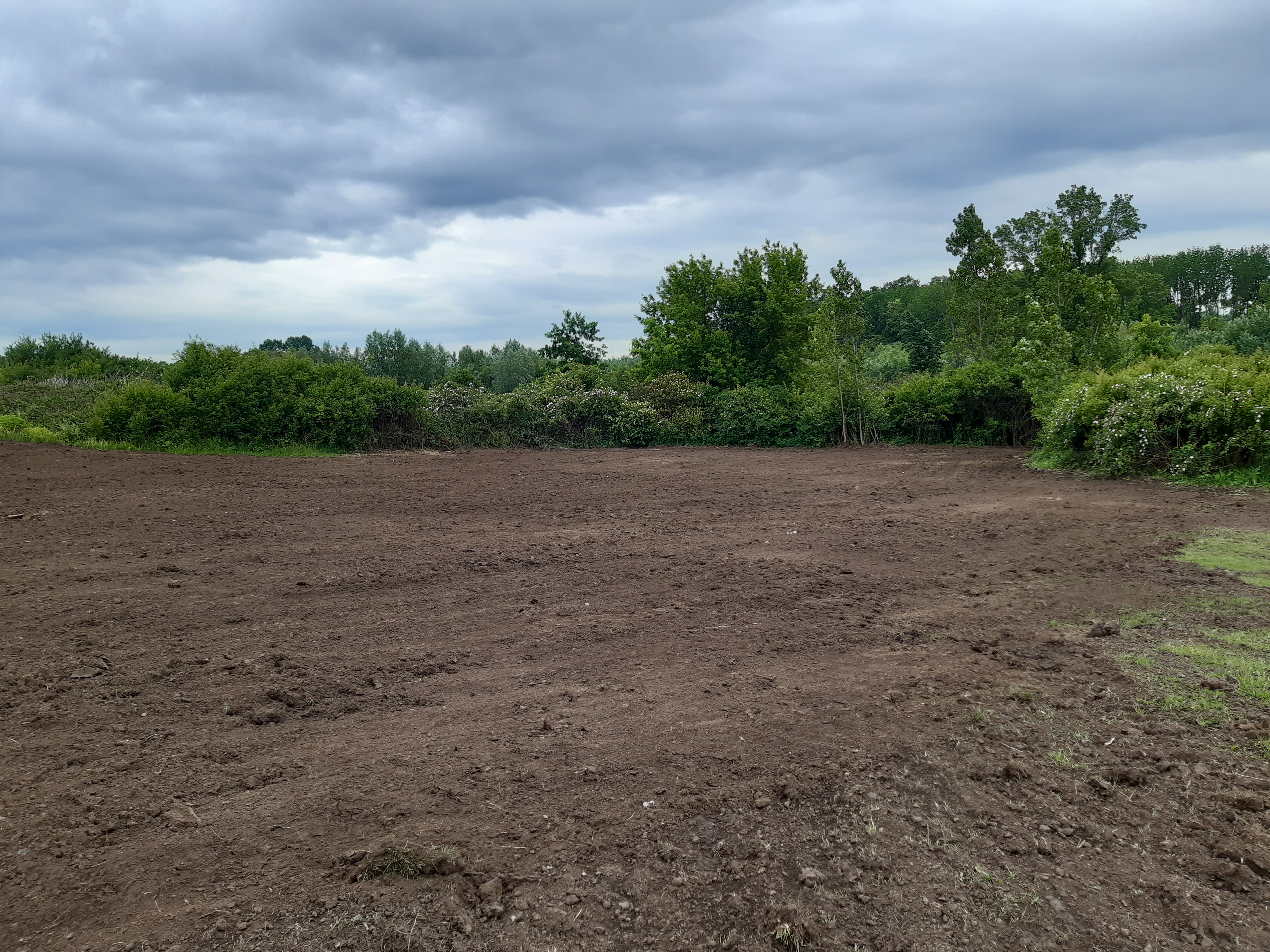
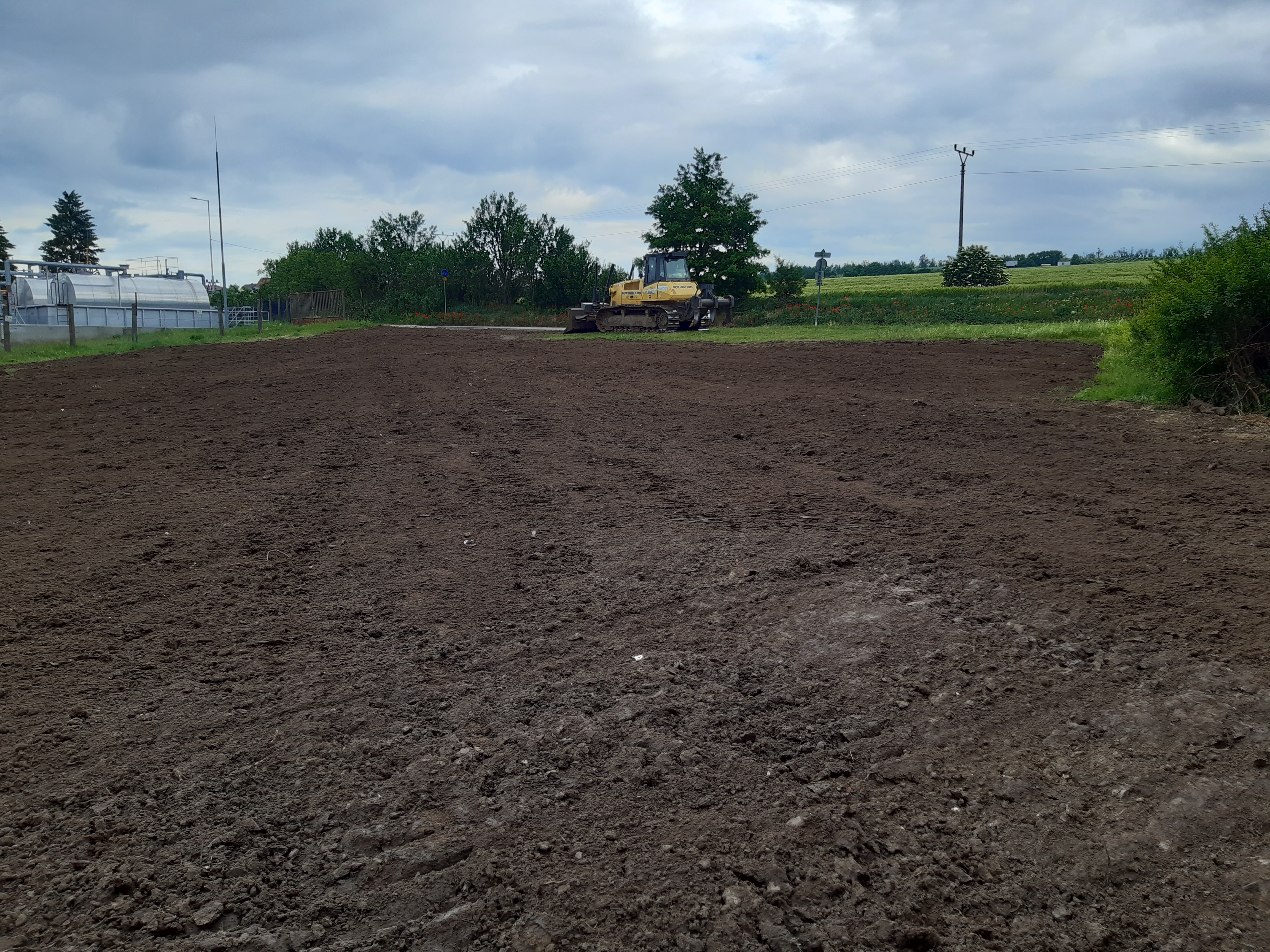
“Before the final landscaping, we removed the gravel-sand sub-base and the soil containing stones that was present in the area. New soil was then brought in to the site, used to reshape the terrain and create a layer suitable for further agricultural use,” adds Kraus.
Finally, the site was cleared of any remaining construction materials so that it was ready for further use. The reclamation was completed in June 2020.
The aim today is no longer merely the safe closure of the borehole, but above all the meaningful subsequent use of the land, which has the potential to serve a new purpose – in a different, more modern and sustainable way.
Agrovoltaics as a logical next step
In the case of Poddvorov, MND decided to make full use of this potential and transform the site into a place that combines energy and agriculture. Here, reclamation does not mean a return to the original state, but rather a shift towards a new type of use.
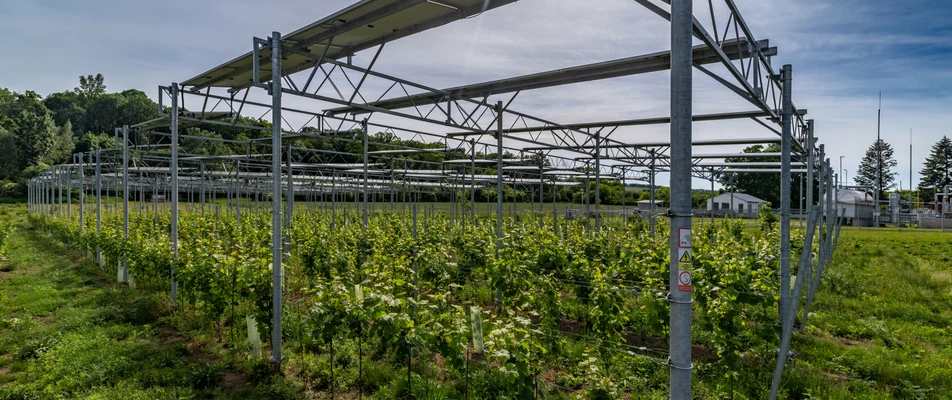
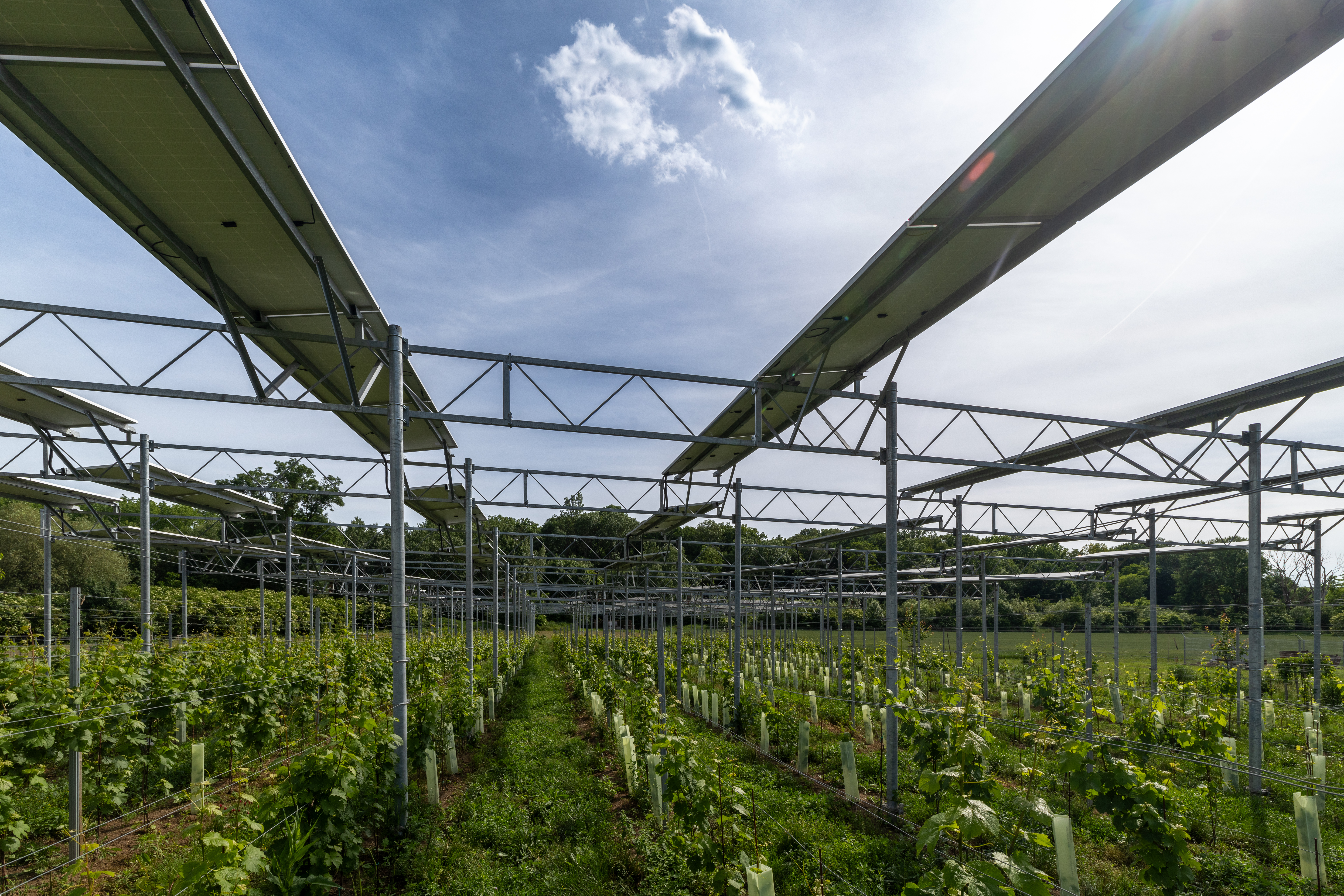
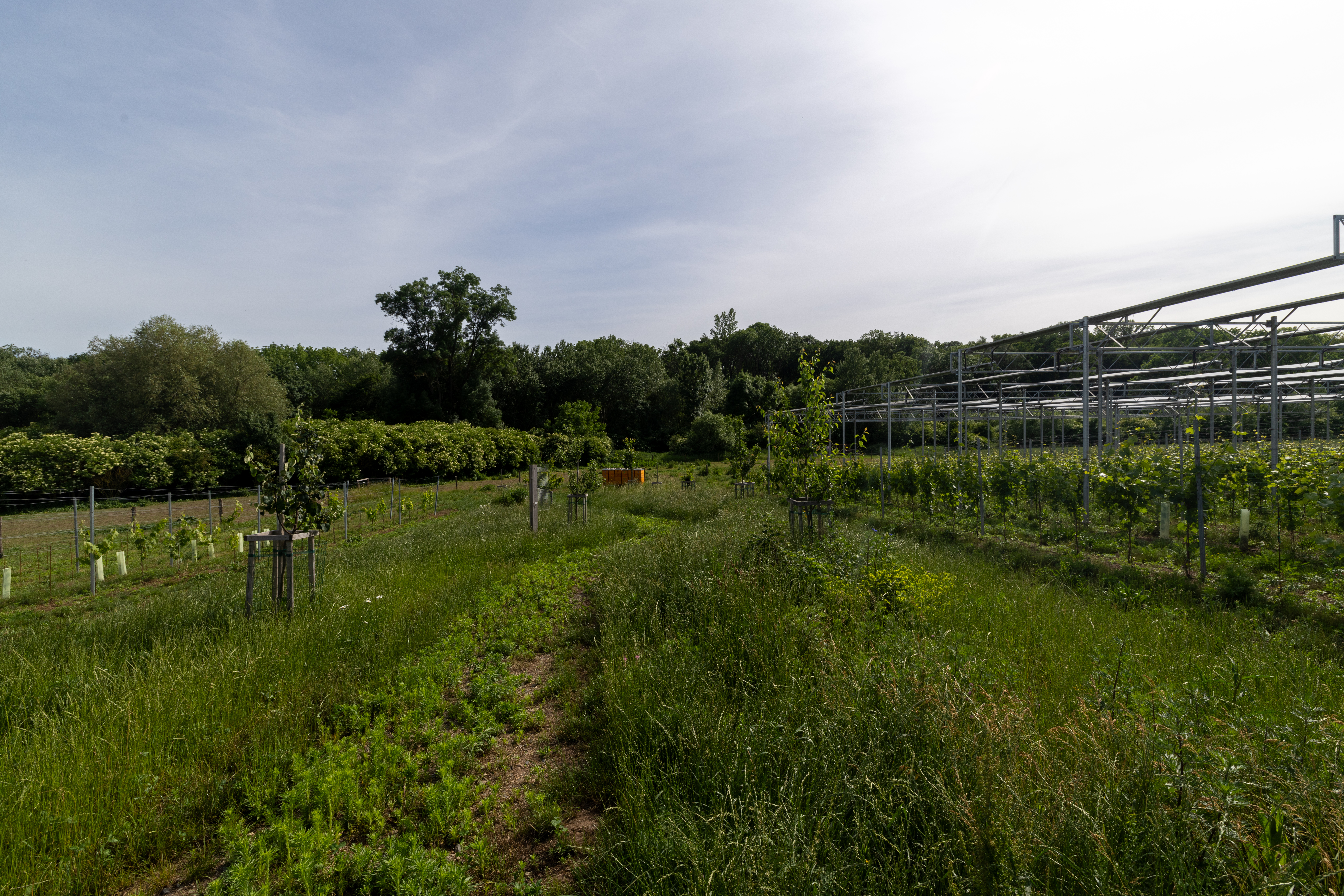
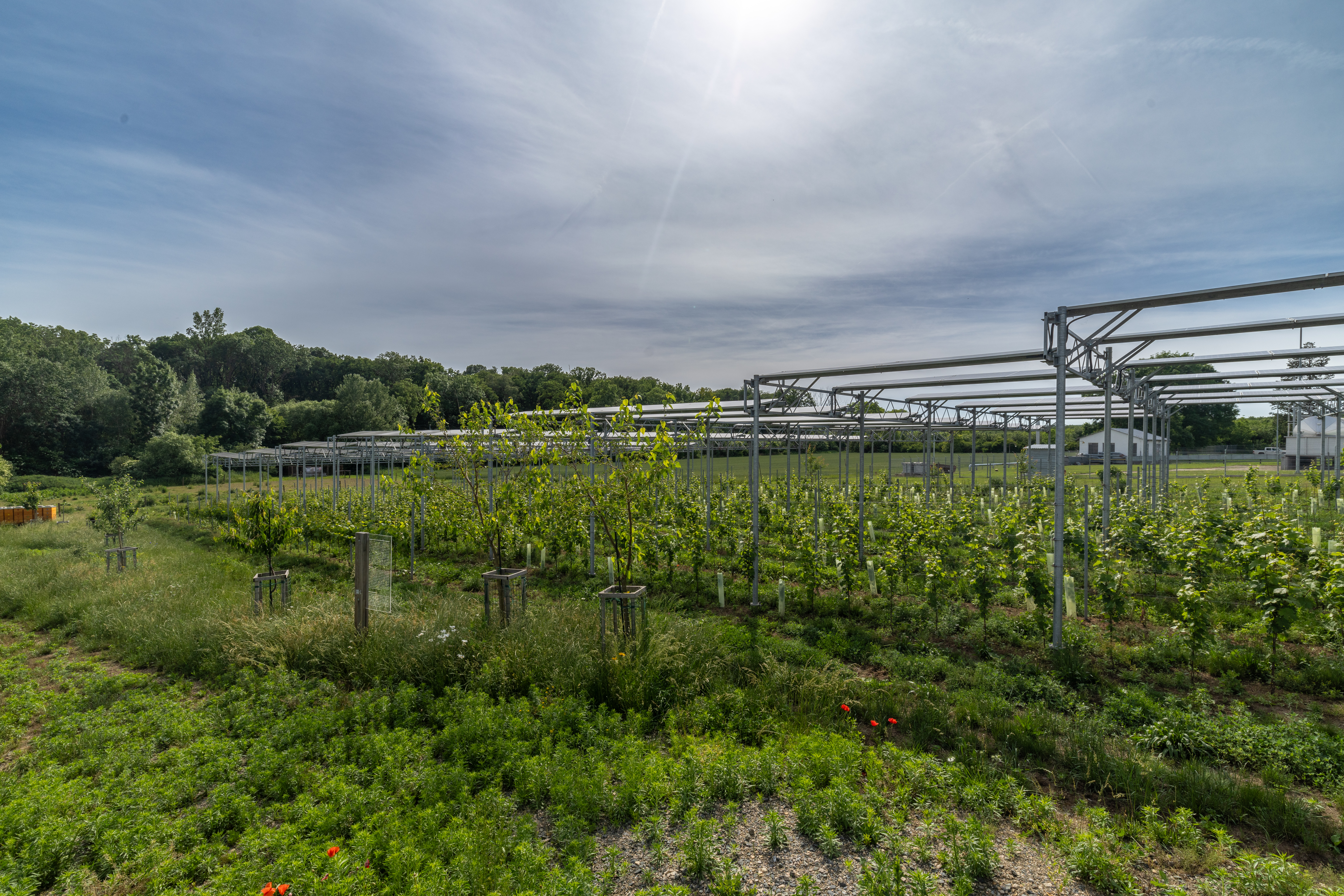
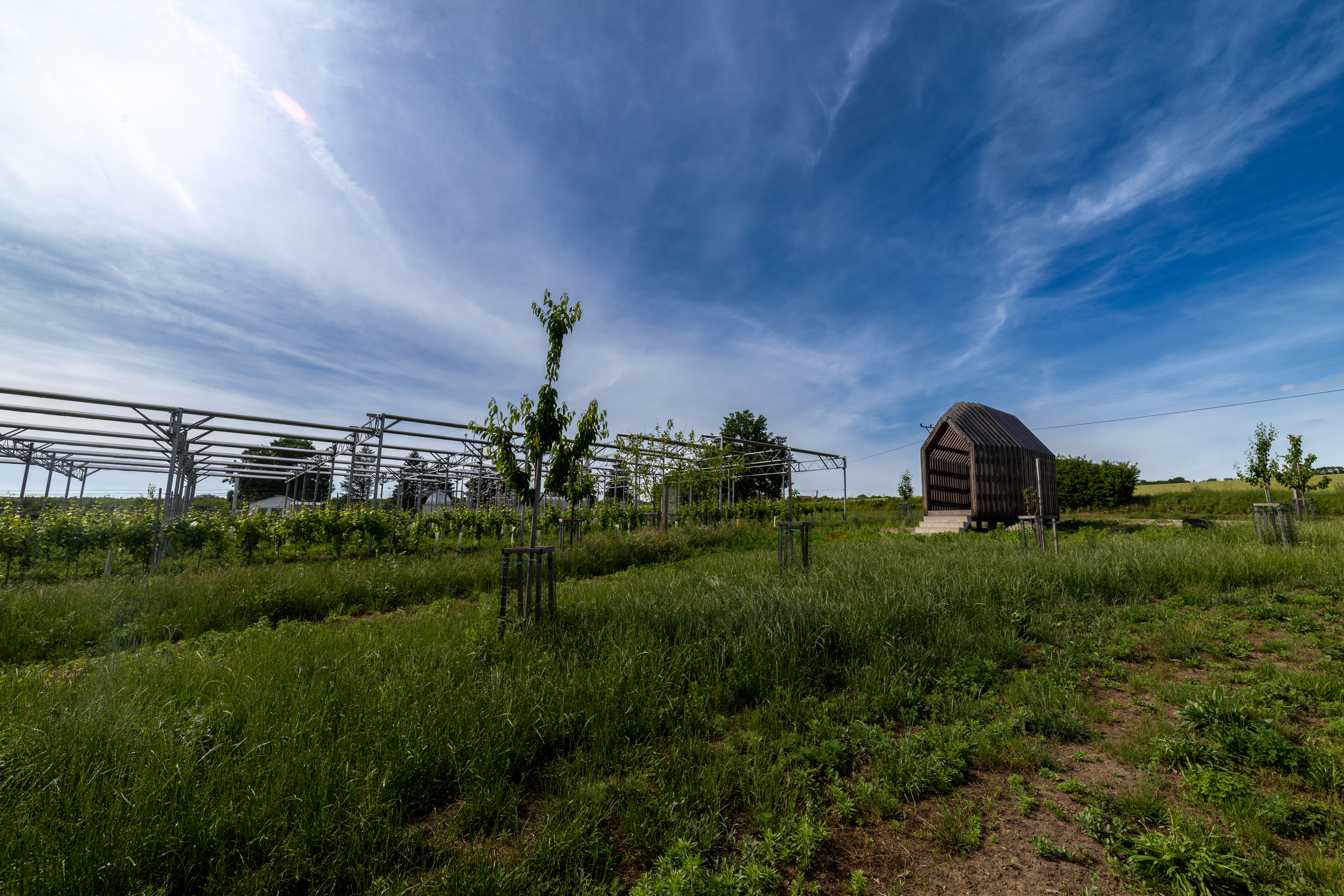
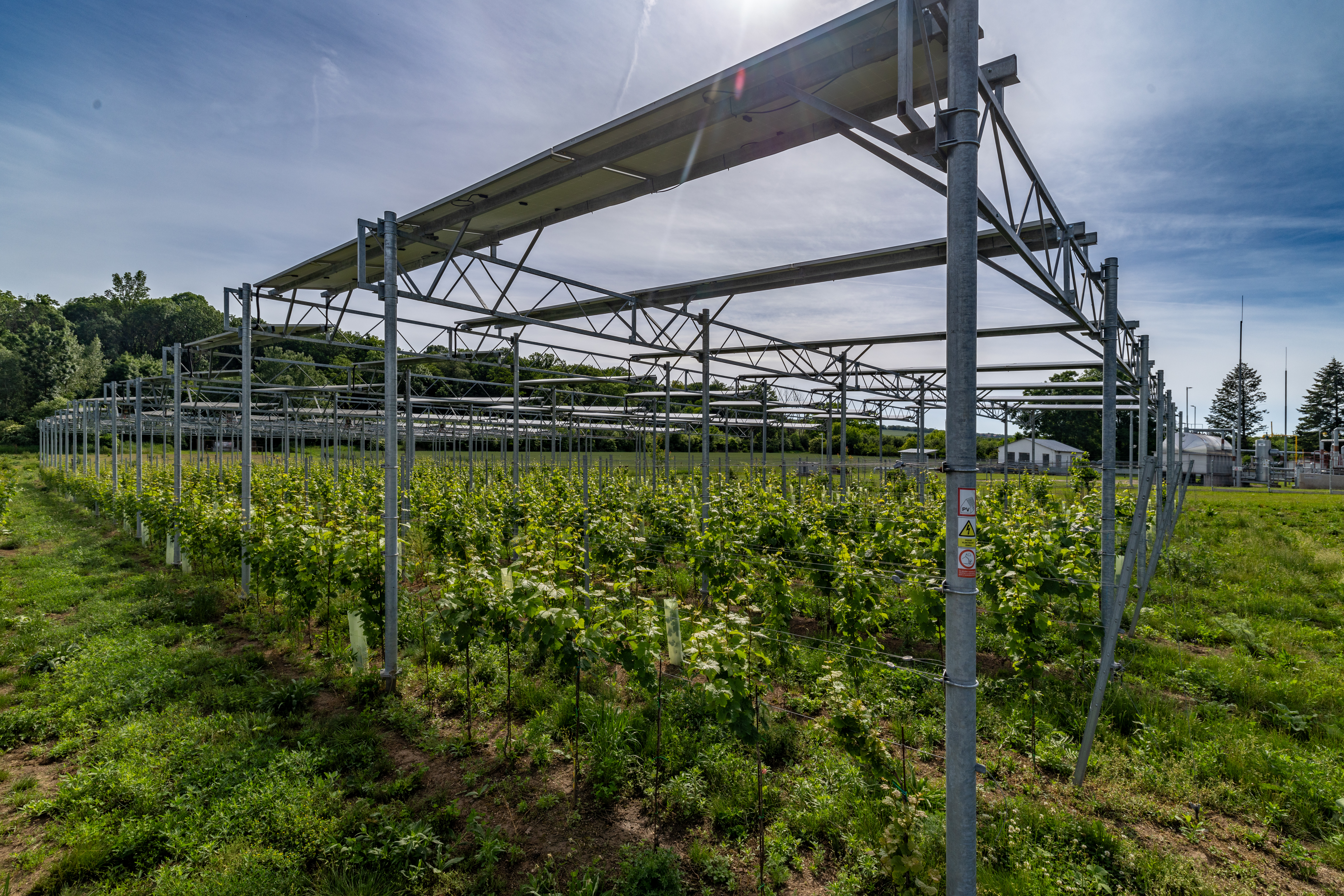
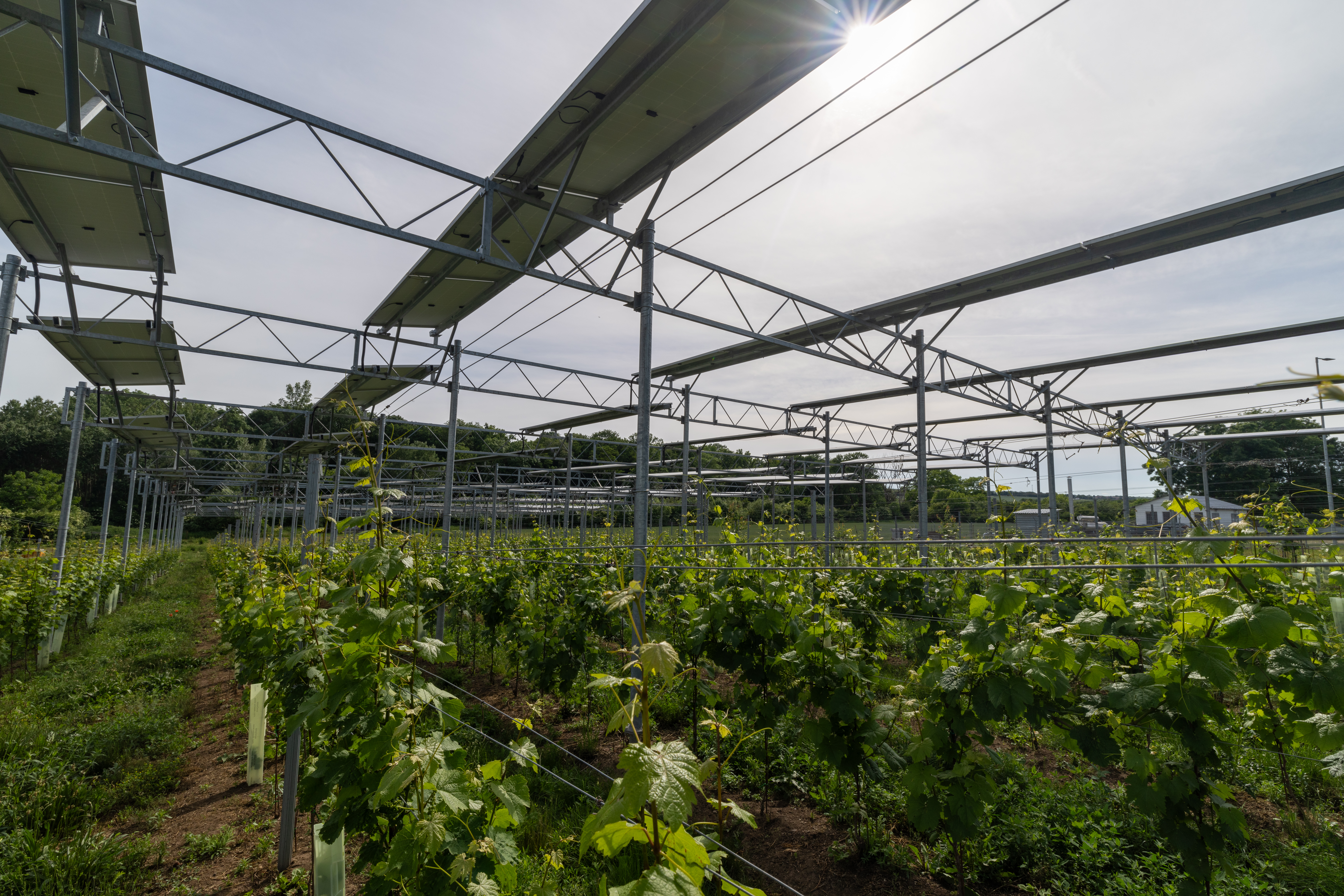
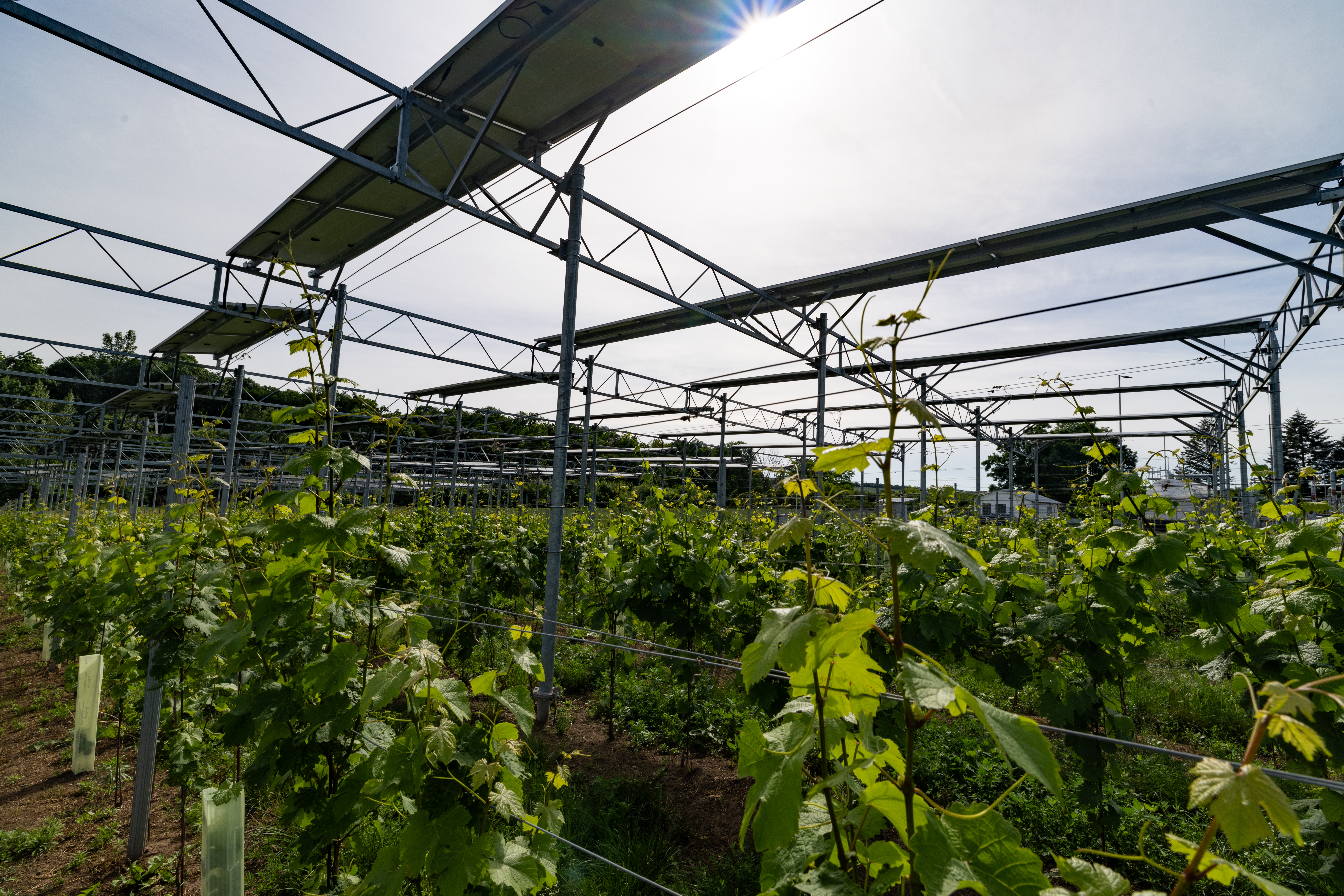
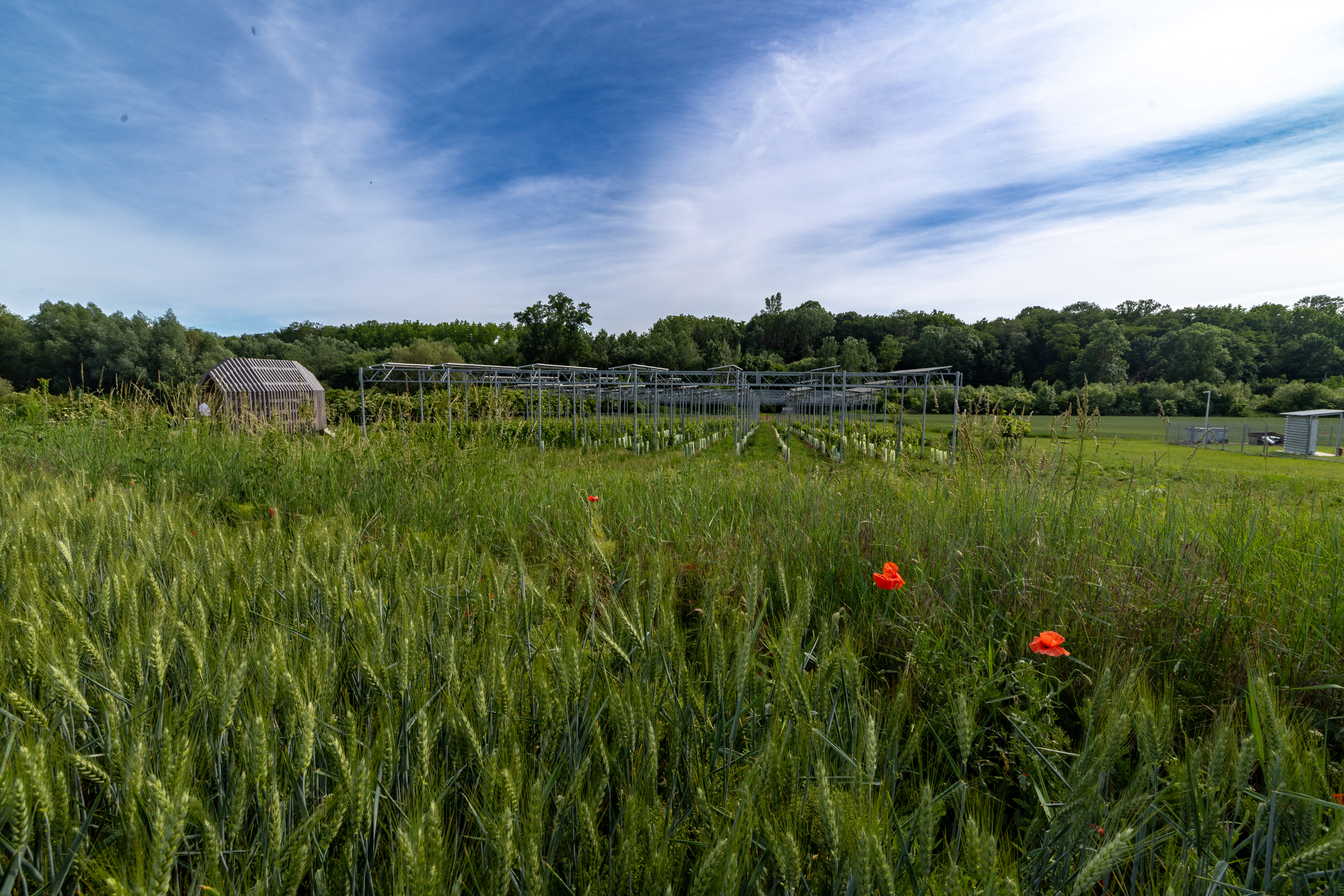
A pilot agrovoltaic project – combining electricity generation with agricultural production – has been established on the site following the end of mining operations. Solar panels are installed on a structure several metres above the ground, allowing the space to be used simultaneously for growing vines.
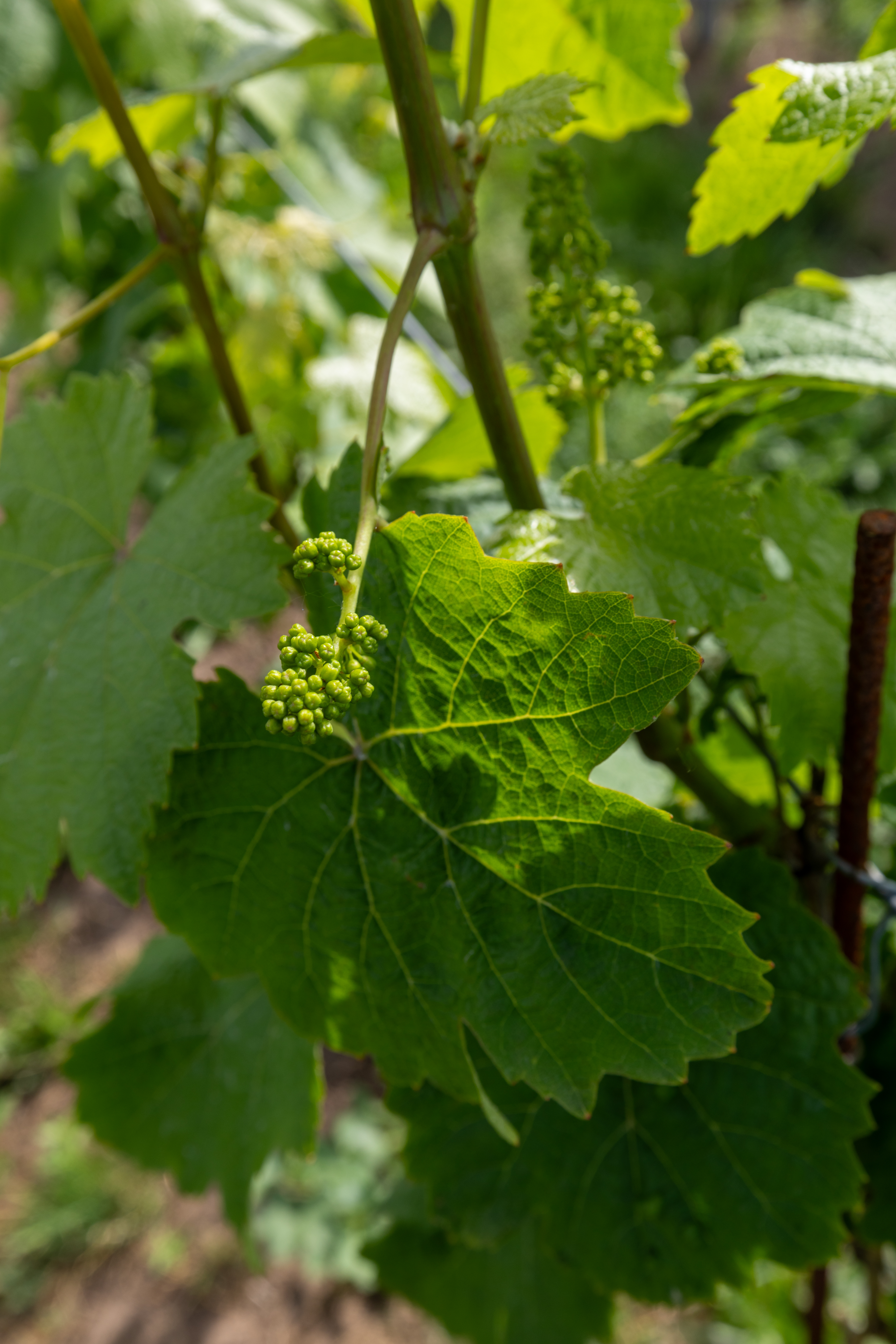
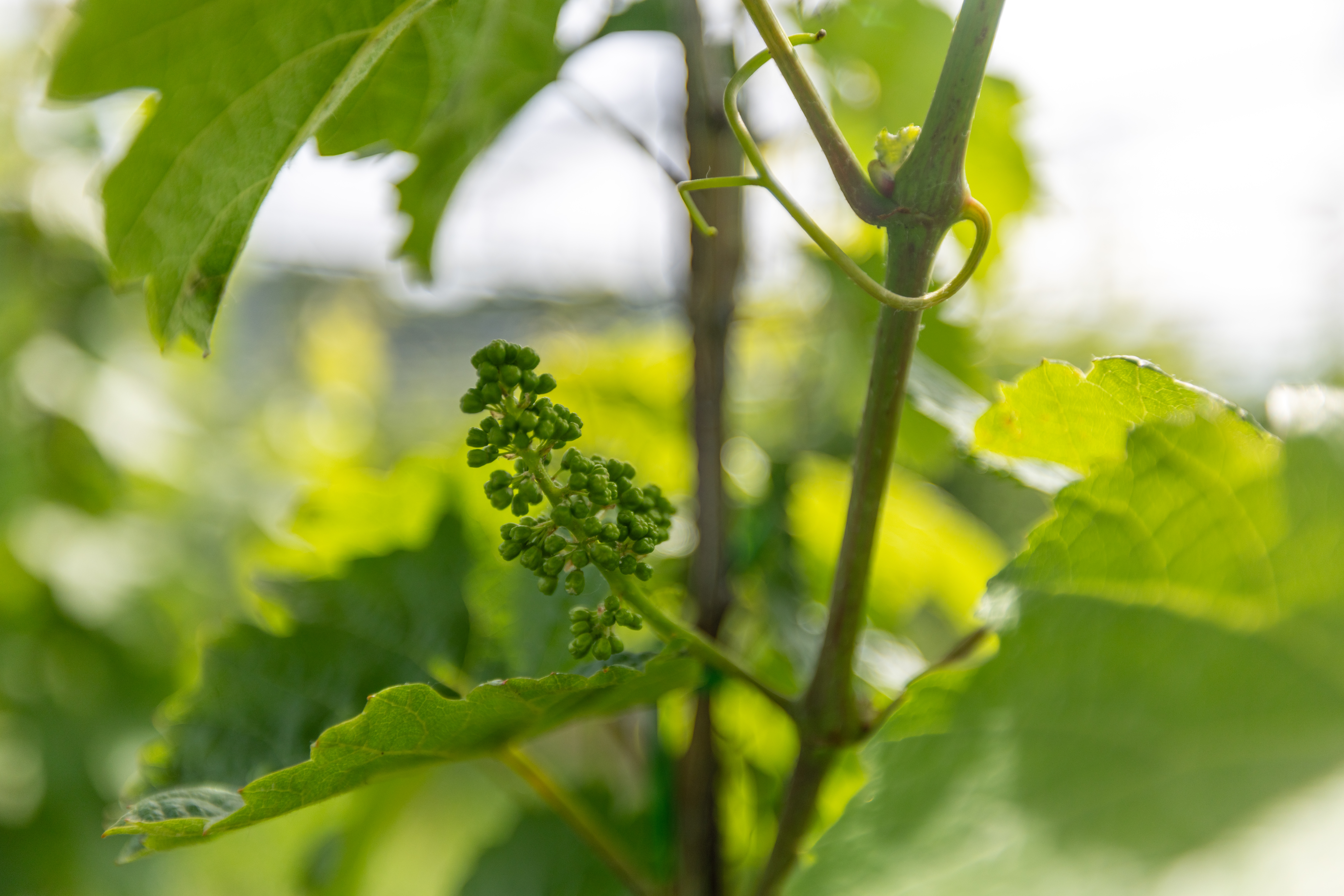
The project was developed in collaboration with academic institutions, and its aim is not only to generate electricity but also to research the impact of this solution on agricultural production. For example, tests are being carried out to determine how partial shading might affect the growth of the vines, their resilience and the quality of the final product.
At the same time, the chosen solution demonstrates that land reclamation need not merely involve the formal fulfilment of legislative requirements. It can be an active step towards innovation, linking an industrial past with a sustainable future.
An example of transformation
The Poddvorov 27 site thus now serves as a model example of land transformation – from oil and gas extraction, through the cessation of operations, to modern use in the form of renewable energy and agriculture.
From the Ministry of Natural Resources’ perspective, this sends an important signal as to the direction in which similar projects may head in the future. Here, land reclamation does not mark the end of the story, but rather the beginning of a new chapter.

Editor-in-Chief
Other articles
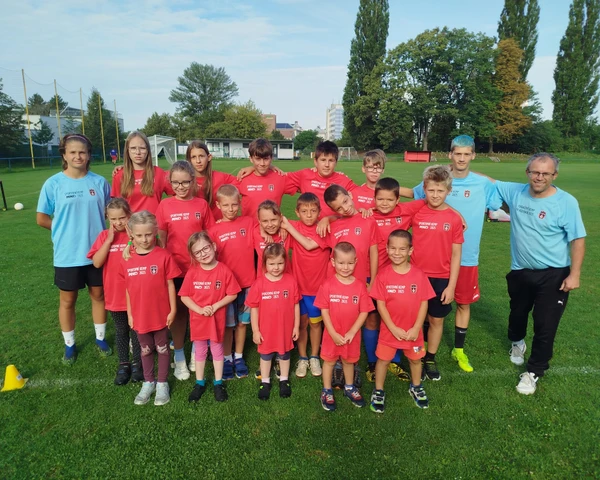
Moving children: Suburban camps with our partners
This year we prepared two dates of suburban camps for the children of our employees during the summer holidays. The first camp took place at the beginning of July in cooperation with Handball Hodonín, the second one at the end of the summer in cooperation with FK Hodonín.
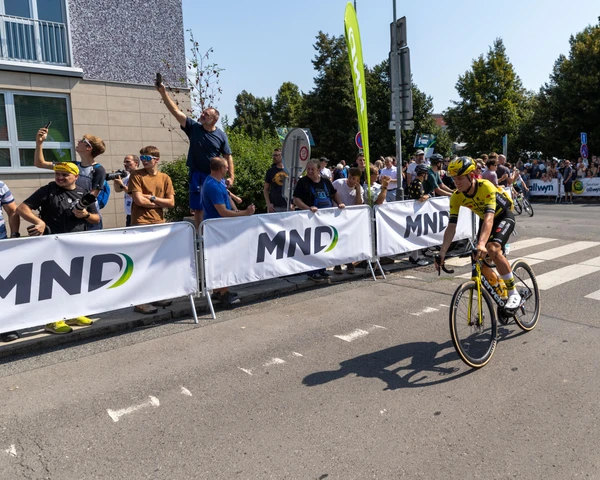
Czech Tour 2025: A look back at the biggest stage race in the Czech Republic
The biggest Czech stage race Czech Tour started from Prague for the first time in history and in four days it crossed the country to the top of Pusteven. The competitors covered a total of 663 kilometres and climbed 9,209 vertical metres. MND as the main partner was there not only with support for the starting cyclists, but also with an accompanying program for the fans.
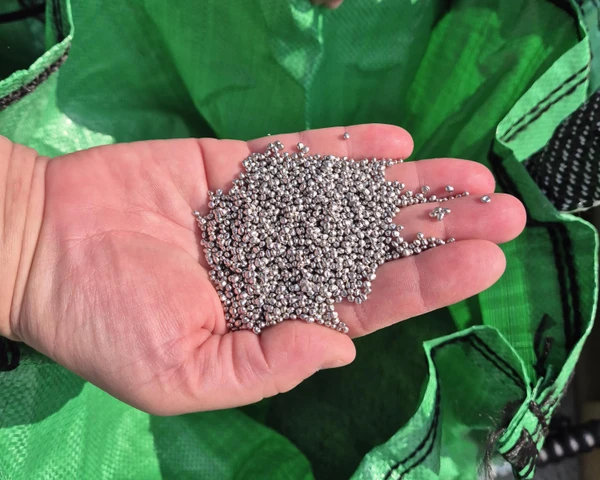
The bismuth plug worked. The unique method will also be used on gas storage facilities
In June, colleagues used a unique method at the Krumvíř 3 well - for the first time in the history of MND, a thermal isolation method using a bismuth-tin alloy was applied. And as it turned out, it not only works, but has the potential to solve a whole range of technical challenges. The first deployment took place in challenging conditions that conventional methods would have found difficult to handle - or even at all.