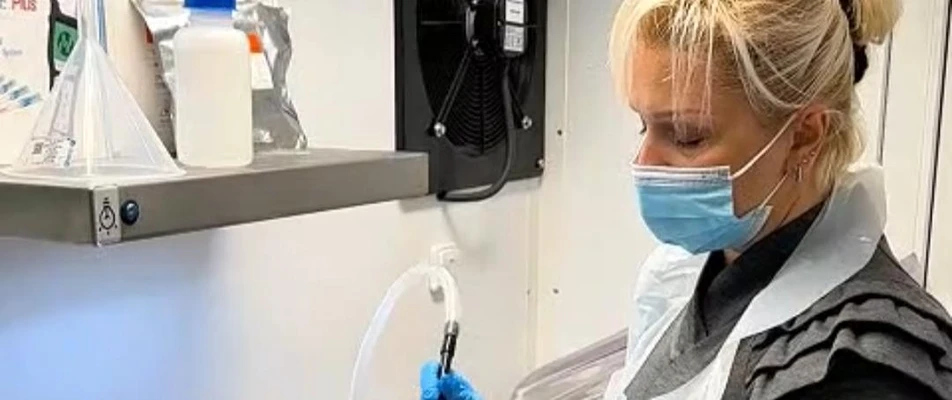
"Alarm - shelter - work." Ark is working in Odessa
The threat posed by drones has become part of everyday life. This places a heavy psychological burden on the entire library team, whilst also posing a physical threat to the historic building, which is an architectural monument of national importance. It is not easy to work under these conditions, but it is precisely their professional work that helps staff remain resilient. Work processes have been adapted to the extreme conditions so that the library can continue to fulfil its mission.
Library Director Iryna Biriukova candidly describes the reality of running the institution in an environment of constant threat and explains the vital role played by international cooperation.
How does Archa help you protect books and archival materials?
The library is responsible for more than 5.5 million items – ranging from books, periodicals and manuscripts to historical prints dating back to the 11th century. The collections include materials in 132 languages and more than 200,000 rare books and manuscripts. ARCHA 1 technology has become an integral part of our daily work and has significantly enhanced our ability not only to protect the materials but also to systematically digitise and restore them.
What does a typical working day look like in a library that continues to operate despite the war?
A typical working day follows the rhythm of ‘alarm – shelter – work’. In wartime, it is impossible to plan tasks with certainty. Staff must adapt to the sound of sirens, night-time bombing, and power or heating cuts. Mutual understanding, solidarity and the ability to react quickly to a changing situation are key.
How does the library operate externally? Do you provide readers with standard services?
Yes. The library continues to operate both in person and online, maintaining its role as a major national centre of culture and science. In 2025, it served approximately 41,000 users, and the total number of visits – including online access – reached roughly 1.67 million. A number of educational and cultural events were held for both adults and younger generations, confirming that the library remains a vibrant intellectual space even in times of war.
What is the security situation in Odessa like from your perspective?
The situation remains tense. Security is not a theoretical concept, but a concrete set of procedures. When an air raid siren sounds, work is immediately suspended and everyone moves to the underground shelter. The bombing of the port area and its surroundings is a reality that staff have to cope with on a daily basis.
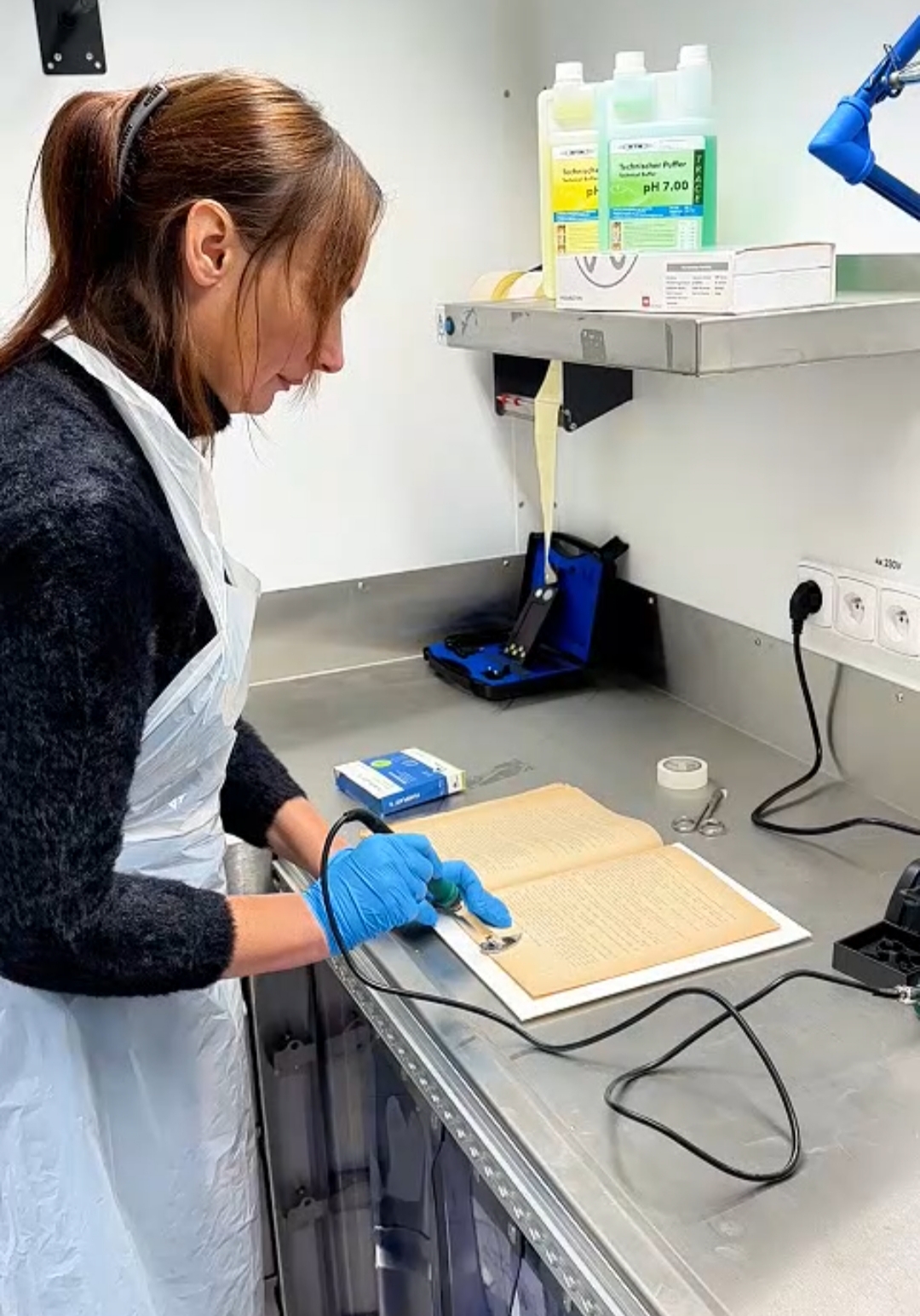
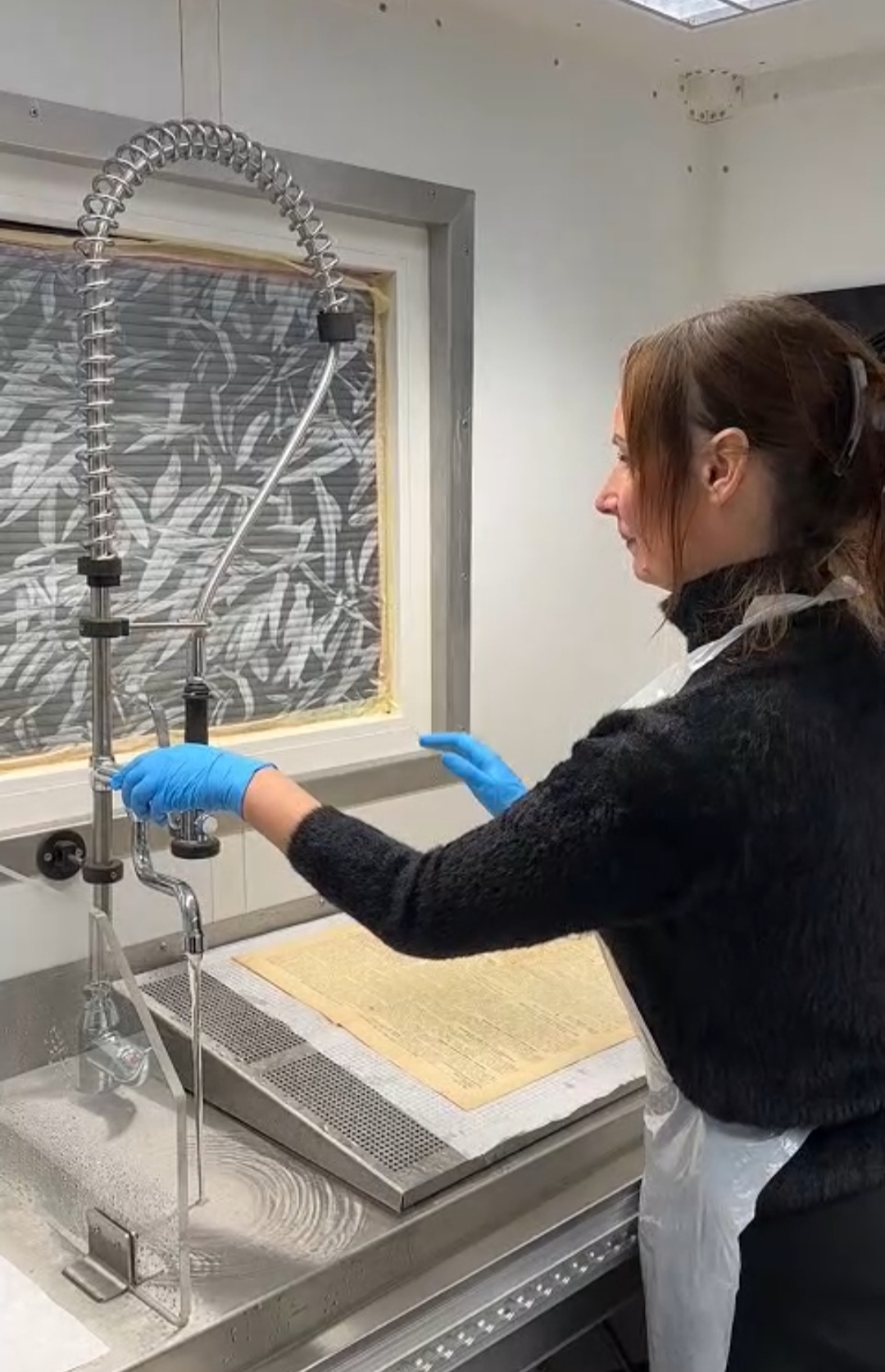
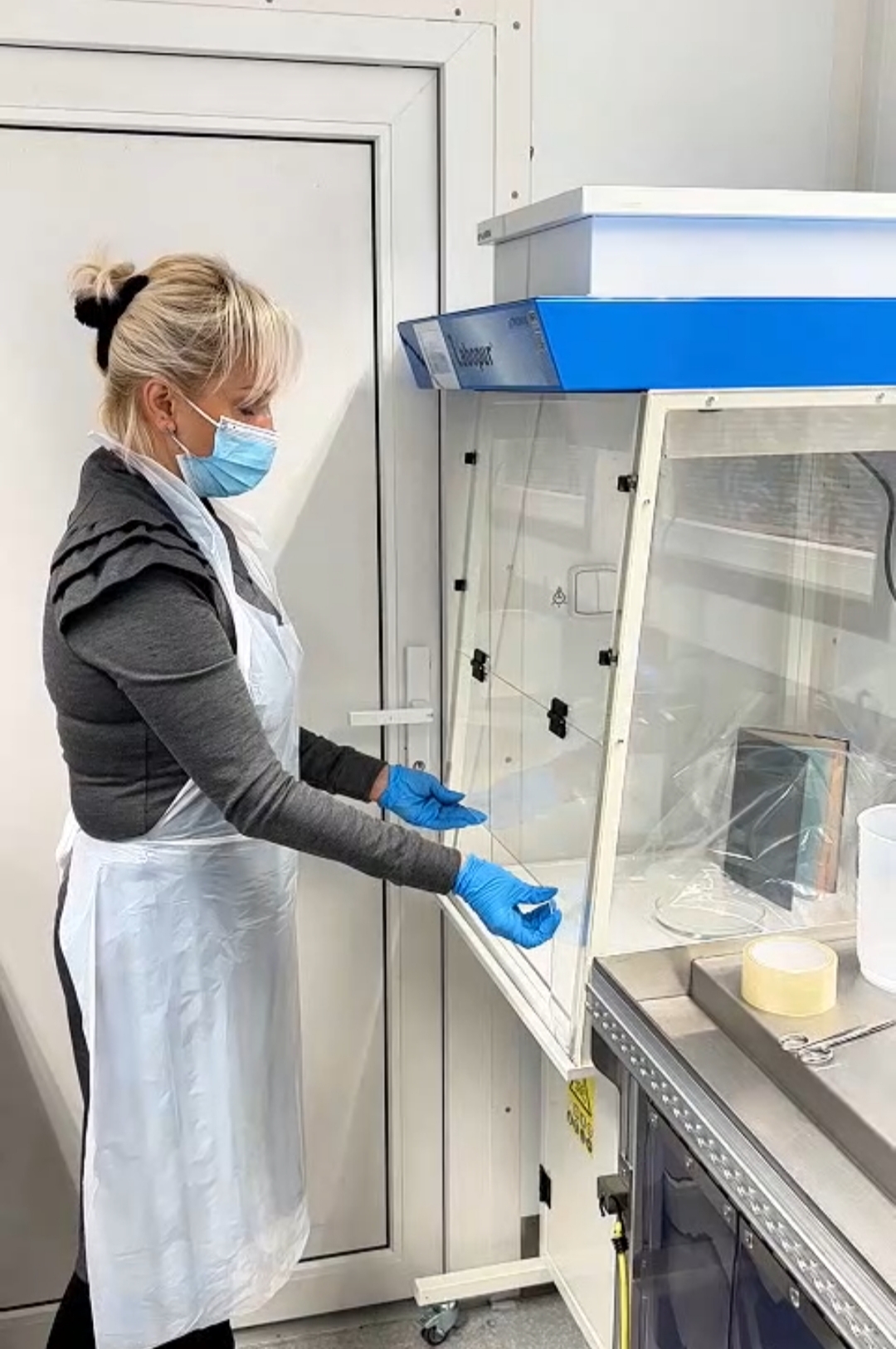
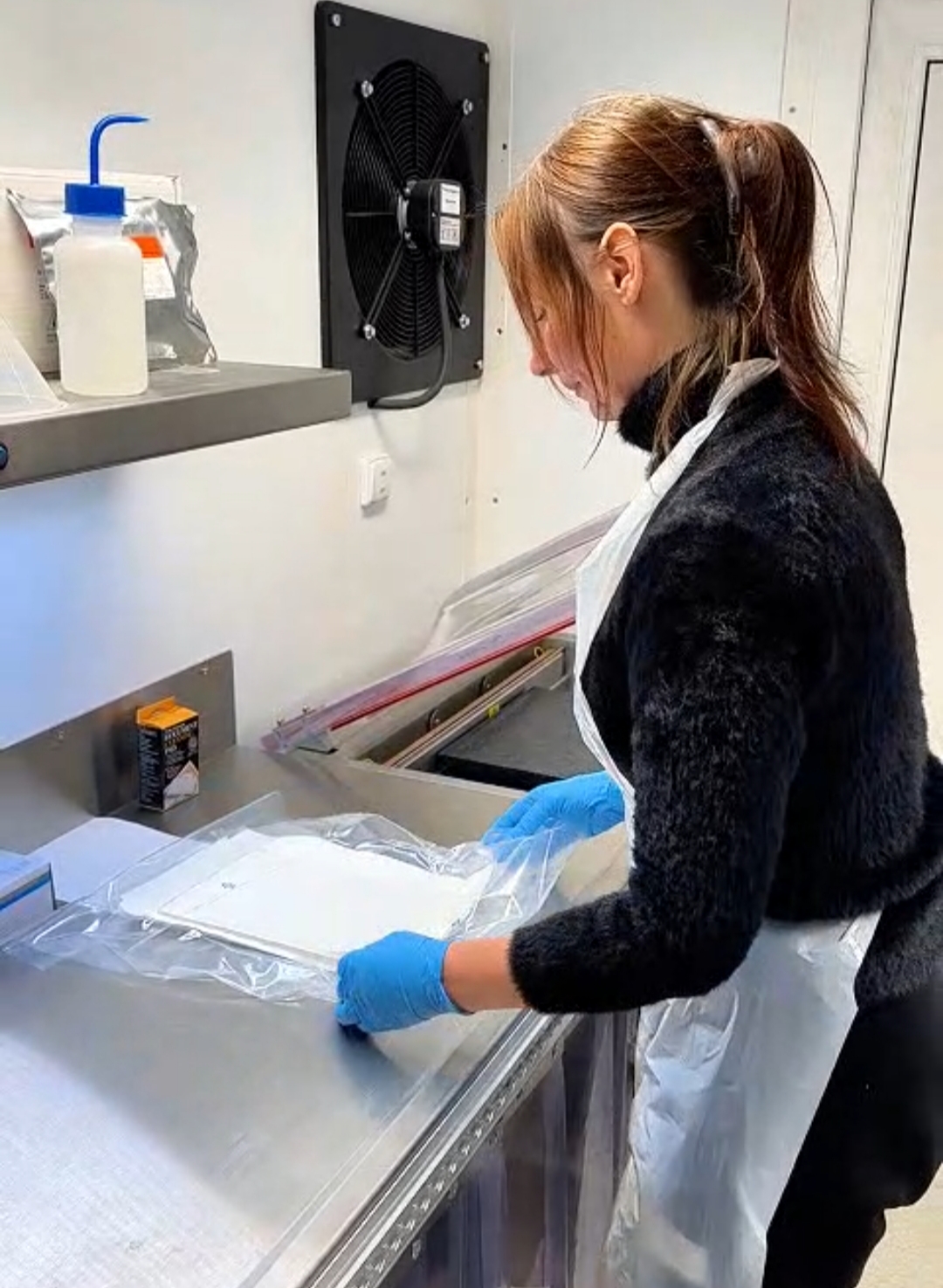
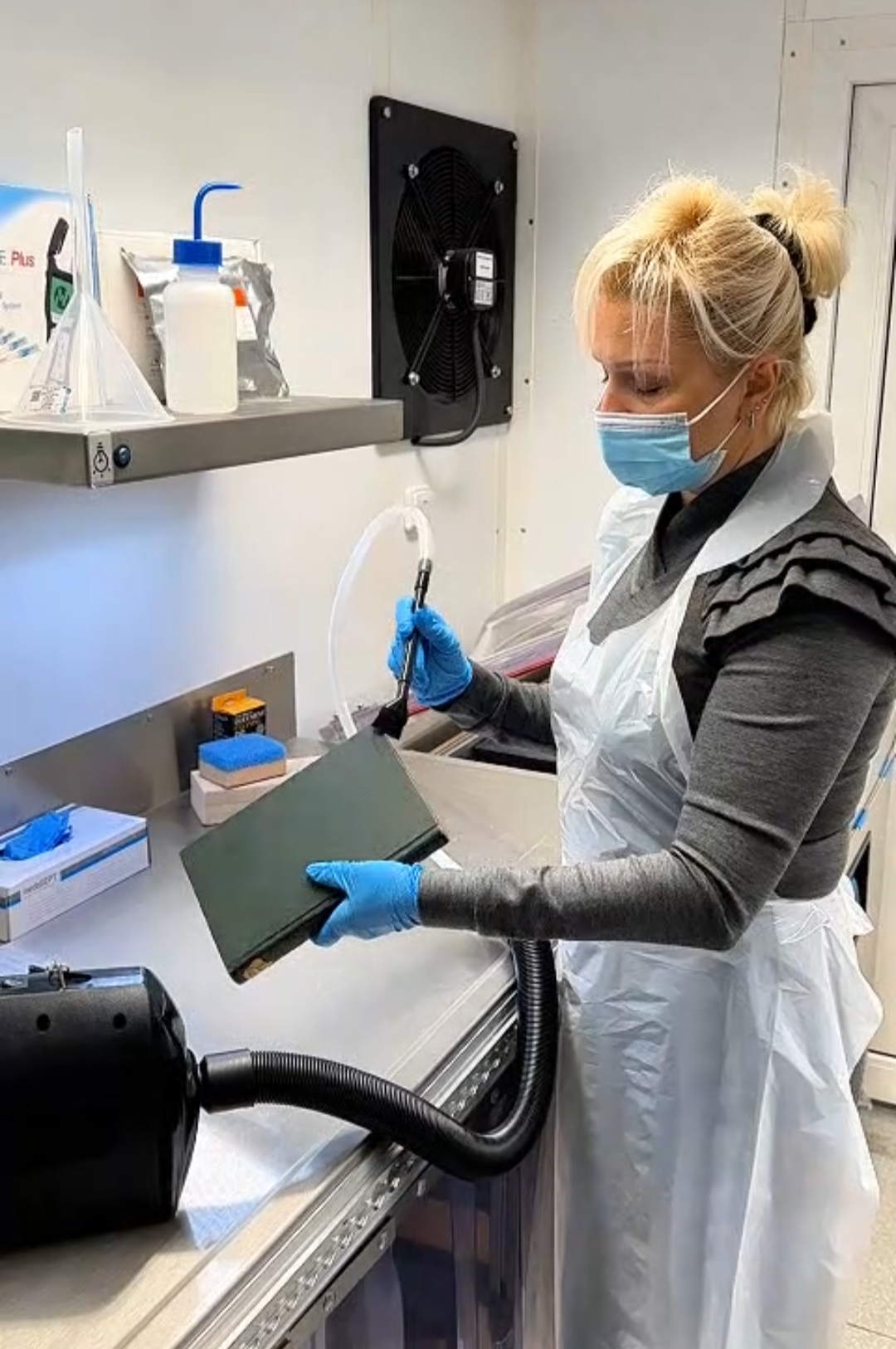
What happens to the documents after they have been treated by conservators?
Archival materials undergo a complete stabilisation process. Conservators neutralise biological threats, strengthen the paper’s structure and then place the documents in individual sleeves made of acid-free cardboard. This creates a stable microclimate that protects the documents from light, dust and physical damage. The publications are thus moved from a state of vulnerability to one of long-term preservation.
What condition are the library collections in today?
Fortunately, they were not directly damaged by the bombing and are relatively safe. However, these are collections dating back almost two centuries, so their condition is naturally varied. We often encounter fragile paper or damaged bindings, which is a consequence of long-term use. This is precisely why systematic restoration care is essential.
What is the situation regarding the availability of materials and equipment for conservators?
Stock of materials is limited and logistics are very challenging. The library particularly needs acid-free cardboard, Japanese paper, conservation adhesives and other specialised materials, which are currently difficult to obtain in Ukraine. Thanks to cooperation with international partners, we are managing to meet some of these needs, yet securing materials remains one of the main challenges.
How exactly do you use ARCHA in practice today?
The ARCHA 1 station is fully integrated into the library’s work processes. Combining traditional restoration expertise with modern Czech technology allows us to work faster, more efficiently and with greater confidence, even in extremely challenging conditions.
How many materials have been saved thanks to ARCHA?
Between October 2025 and January 2026, more than 1,000 books and newspapers from the 19th and 20th centuries from the collections of the National Scientific Library in Odessa were processed, disinfected and digitised using ARCHA 1.
What message would you like to send to the Czech Republic?
We are deeply grateful to our Czech partners for their professionalism, solidarity and openness to cooperation. For us, the ARCHA 1 project is a symbol of the unity of the professional community and proof that cultural diplomacy has real power and meaning, even in the darkest of times.

Editor-in-Chief
Other articles
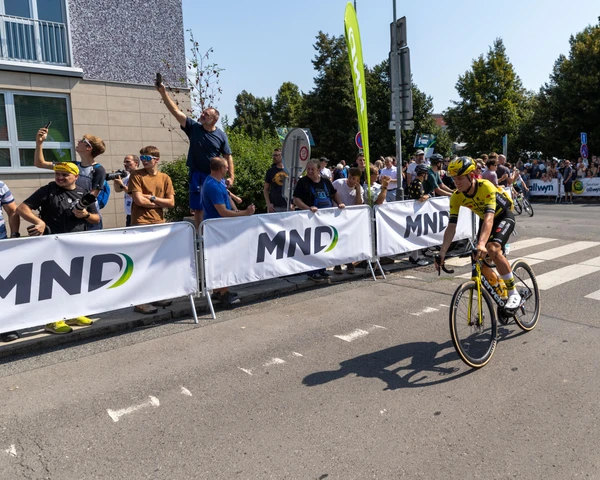
Czech Tour 2025: A look back at the biggest stage race in the Czech Republic
The biggest Czech stage race Czech Tour started from Prague for the first time in history and in four days it crossed the country to the top of Pusteven. The competitors covered a total of 663 kilometres and climbed 9,209 vertical metres. MND as the main partner was there not only with support for the starting cyclists, but also with an accompanying program for the fans.
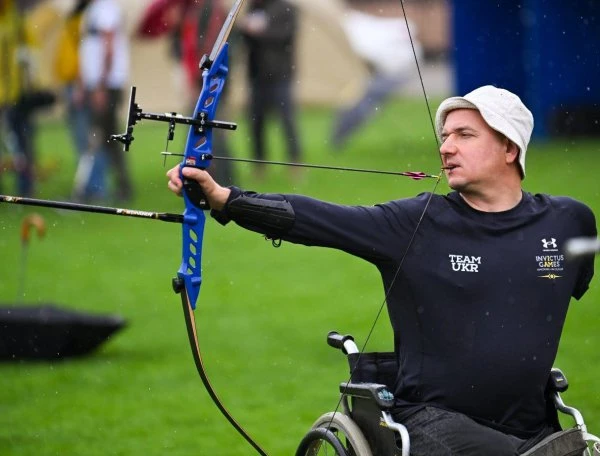
MND in Ukraine helps children and para-athletes
MND in Ukraine is expanding the scope of its assistance. Representatives of the company signed an agreement with the Olena Zelenska Foundation and supported two of its projects. At the same time, in the Lviv region, they have started sponsoring parasports, contributing to the reintegration of people with disabilities into normal life.
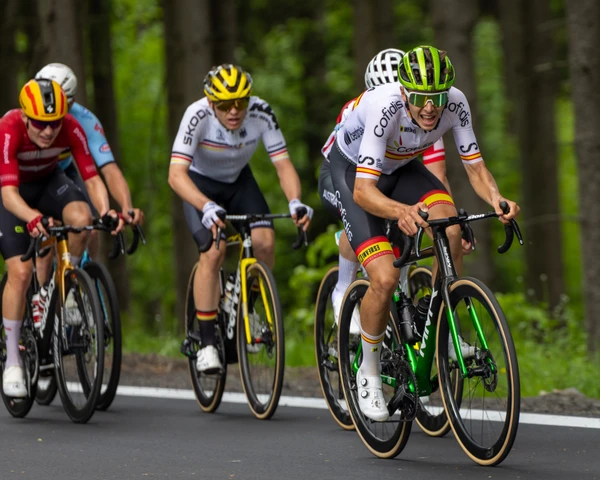
MND at the finish and on the podium. Peace Race in Green
Drama until the last few meters. This is how one could describe this year's Peace Race, of which MND was the main partner. Young cyclists came to Jeseníky from 25 countries around the world and the final sprint on the finishing straight was the final decision. The athletes had four stages with a total length of over 450 kilometres and an elevation gain of 6800 metres. Spectators saw thrilling performances as well as MND logos everywhere there was something going on.