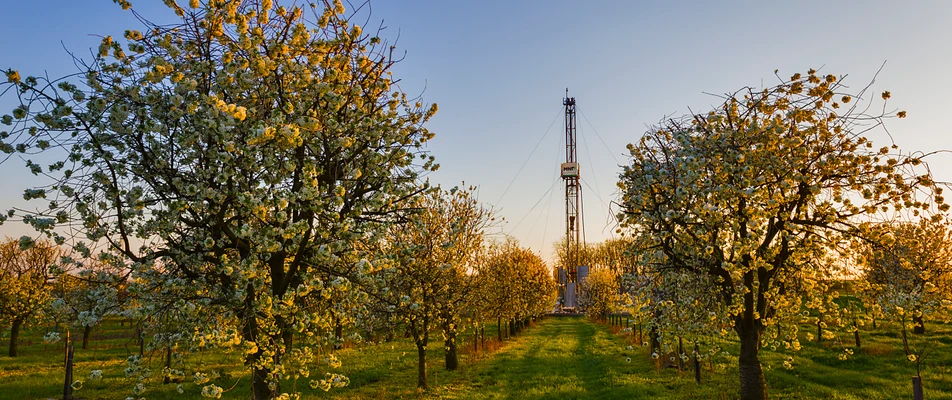
The life cycle of a borehole ends with reclamation. What does it involve?
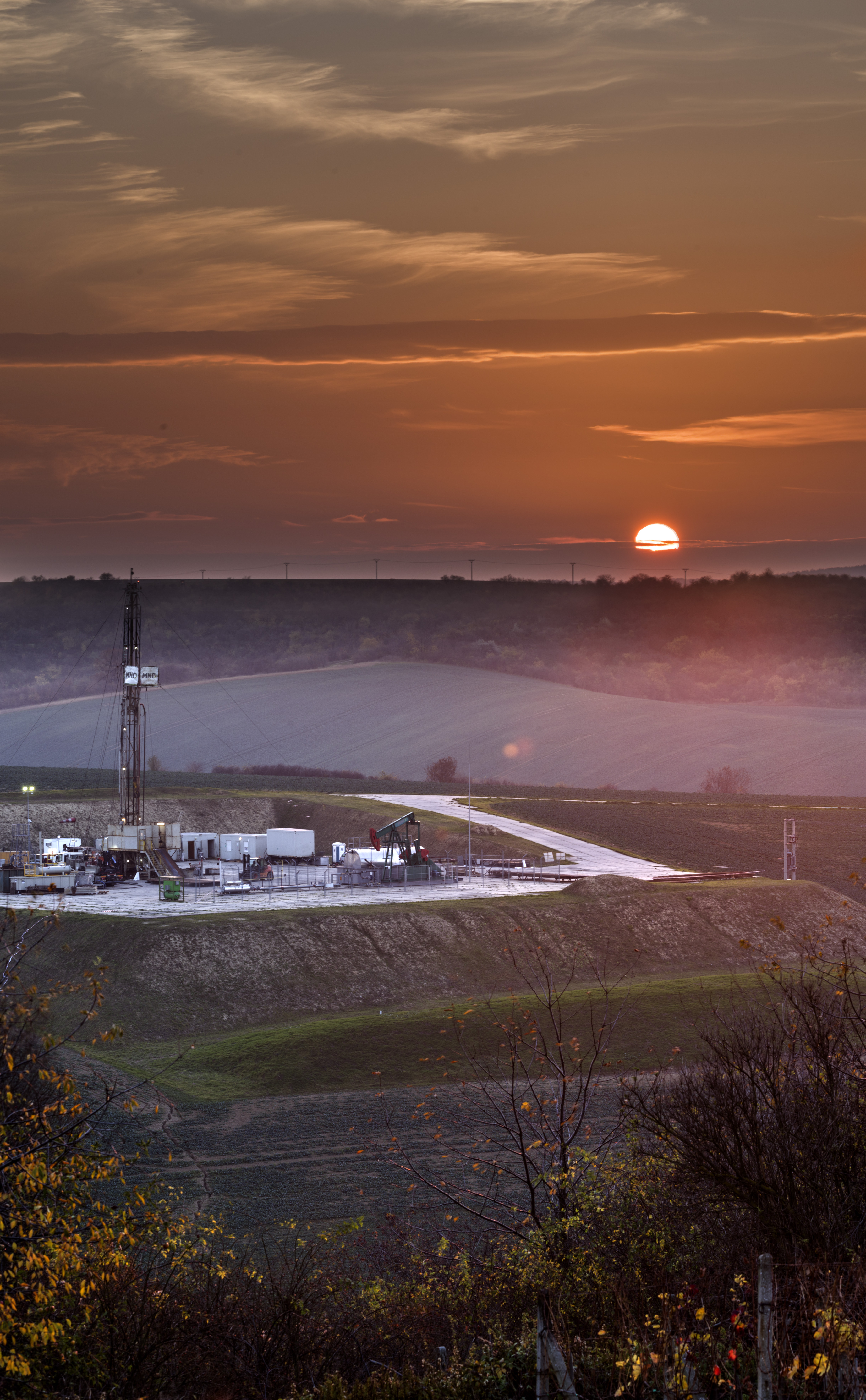
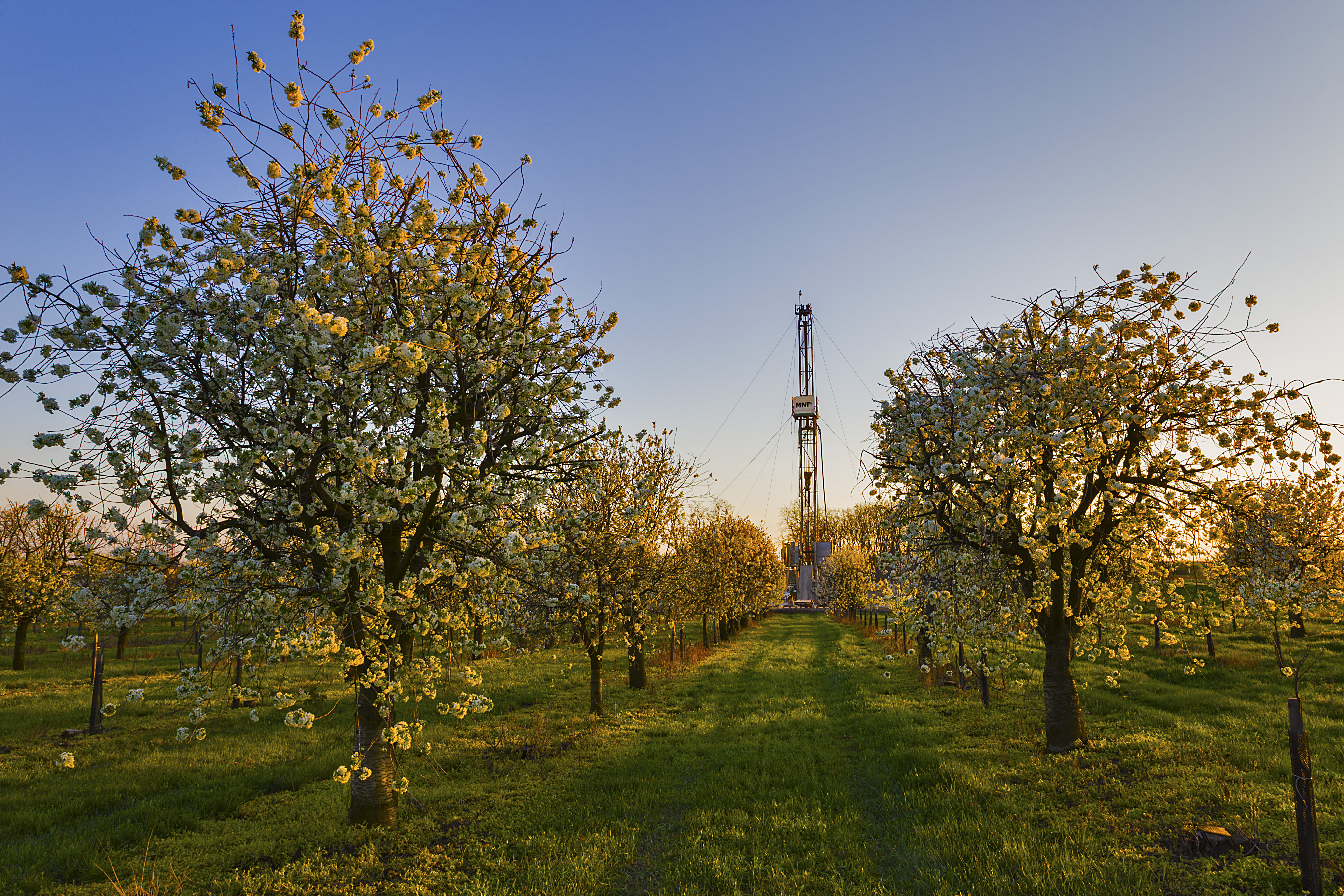
The drilling and subsequent disposal of the probe is a fascinating process that can be likened to the life cycle from birth to death. Every well, whether exploratory or production, has its own life story. Repot is now bringing you a series that will present interesting reclamations of our specific sites one by one. But in this issue, let's talk in general terms about what such reclamation looks like, why it's done in the first place, and how much it actually costs.
The birth of the borehole
It all starts with the drilling of an exploration or production well. This then "lives" its life, which can last from a few years to several decades. The average life of an active well is between 5 and 40 years, depending on the size of the deposit.
End of life
Once the reservoir is produced, the well loses its function and becomes a financial burden for the company. It is time to dispose of it. This process involves several steps to ensure safety and minimize environmental impact.
The disposal process
- Analysis: the Geochemistry Department performs sampling and analysis for possible petroleum contamination in the soil.
- Preparation: a ground probe repair (POS) rig arrives on site.
- Equipment Removal: The original well machinery is removed.
- Cementing: The well is cemented and the cement bridge is carefully tested for tightness.
- Filling: The casing of the borehole is filled to the surface with cement mixture.
- Cutting and welding: The casing is cut 1.6 to 1.8 metres below the surface and welded with steel plates. A probe number is welded onto the last plate and the whole process is finished with a concrete cap.
Land reclamation and return
After the disposal of the borehole, the land is returned to the owners in its original state. Biological reclamation is carried out by the landowner, with the costs paid by the company over a period of three years.
Statistics and costs
The company carries out an average of 15 to 20 well abandonments and reclamations per year, costing approximately CZK 80 to 100 million.
This complex process ensures that the land is returned to its original state after mining operations are completed and the environmental impact is minimised.
Other articles
An IT guy who goes to the vineyard to clear his head
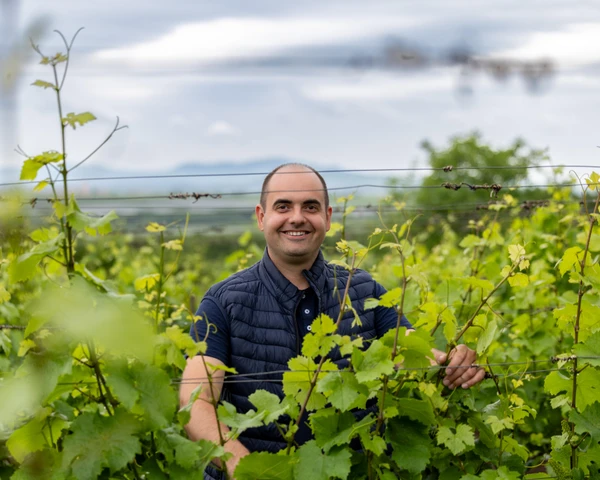
The road above Moravský Žižkov comes to an end, and from there on, the only way forward is a path winding through the rows of vines. It is here that Milan Svoboda ‘clears his head’ after work. During the day, he maintains servers and manages cloud systems and their security; in the afternoons, he picks up his secateurs and tends to the vineyard.
The new look of the Úprkov site
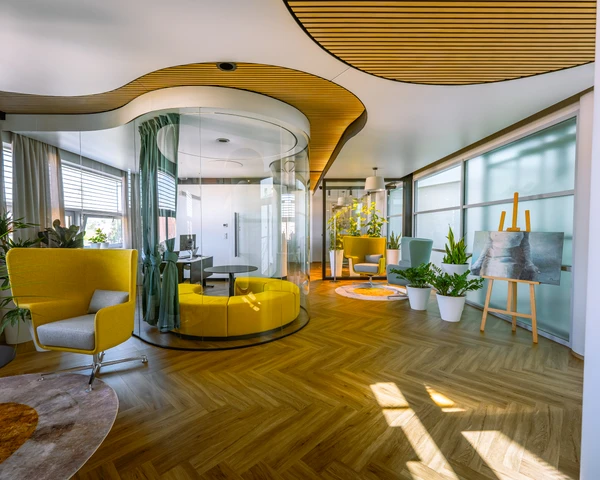
The refurbishment of the MND site and building on Úprkova Street is gradually transforming the working environment to better meet the current needs of both the company and its staff. This is not merely a technical upgrade – the project specifically combines functionality, aesthetics and the community aspect of the space. The transformation of the site is not taking place in a single phase. The refurbishment of the interior spaces has been underway since 2024 and also includes technical aspects such as the modernisation of the heating system. The modifications to the outdoor area are based on an architectural study prepared by Jung architekti at the end of 2025.
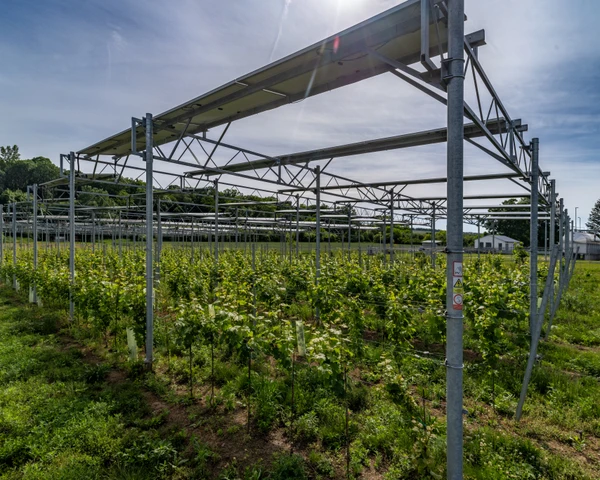
Poddvorov 27 – A reclamation project with a future
Perhaps no other MND site better illustrates the successful reclamation of land following the end of mining operations. The site of the former Poddvorov 27 borehole now serves as an example of how an area left behind by mining operations can be given a new purpose and actively utilised once more – in the form of a modern agrovoltaic concept.