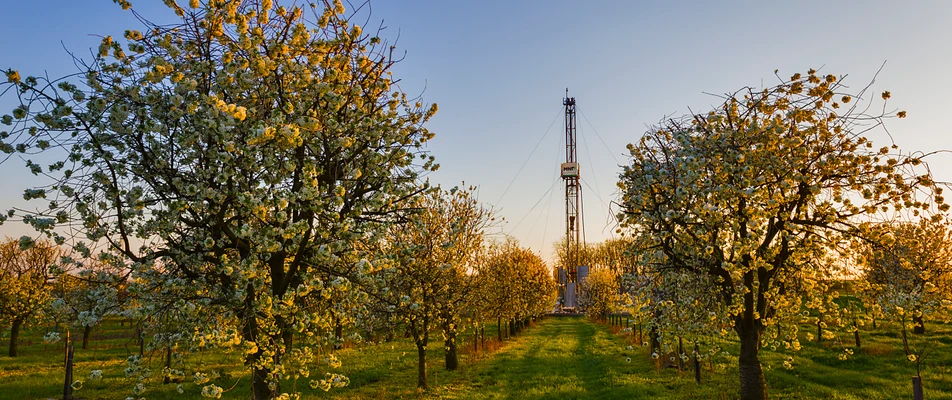
The life cycle of a borehole ends with reclamation. What does it involve?
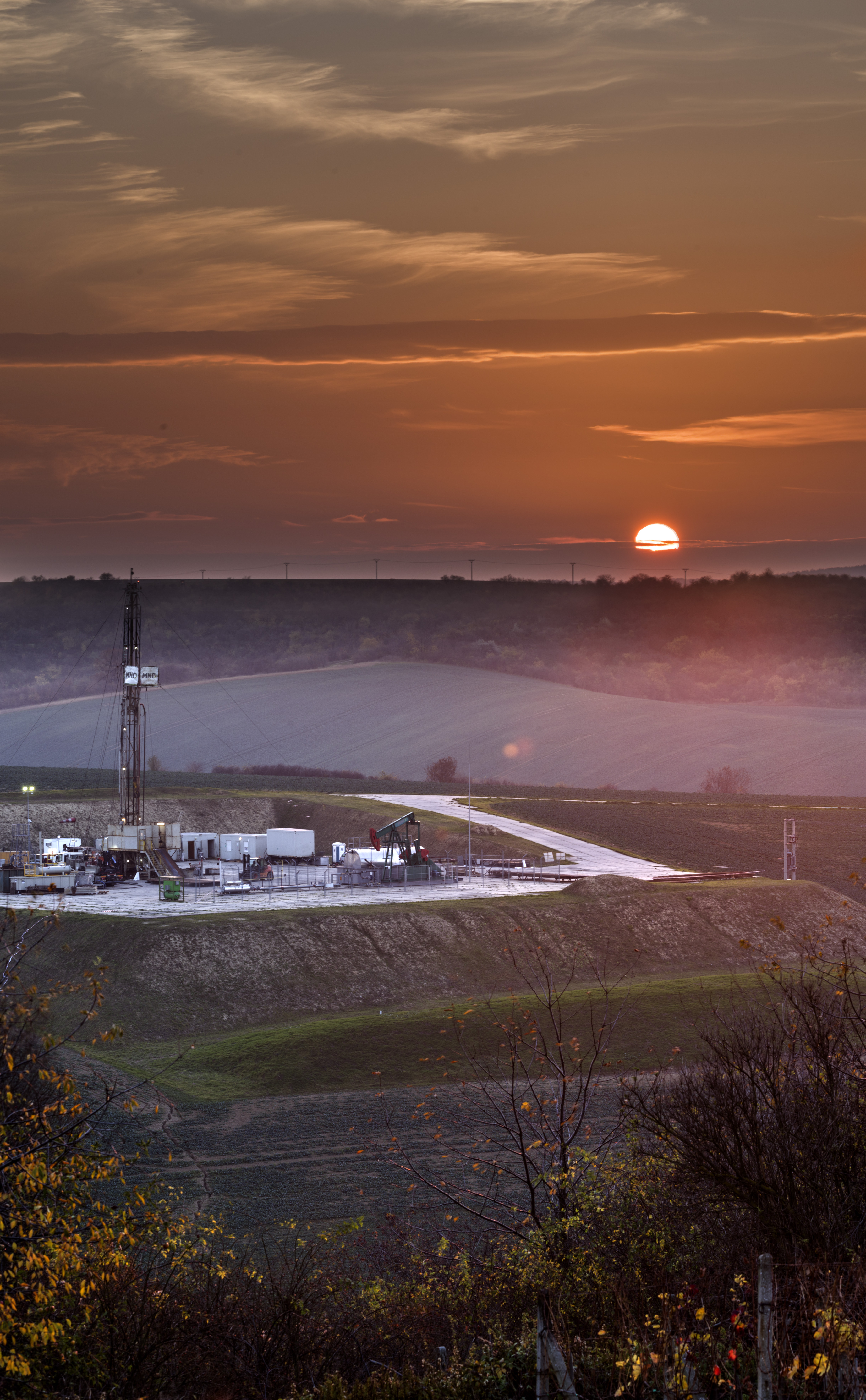
The drilling and subsequent disposal of the probe is a fascinating process that can be likened to the life cycle from birth to death. Every well, whether exploratory or production, has its own life story. Repot is now bringing you a series that will present interesting reclamations of our specific sites one by one. But in this issue, let's talk in general terms about what such reclamation looks like, why it's done in the first place, and how much it actually costs.
The birth of the borehole
It all starts with the drilling of an exploration or production well. This then "lives" its life, which can last from a few years to several decades. The average life of an active well is between 5 and 40 years, depending on the size of the deposit.
End of life
Once the reservoir is produced, the well loses its function and becomes a financial burden for the company. It is time to dispose of it. This process involves several steps to ensure safety and minimize environmental impact.
The disposal process
- Analysis: the Geochemistry Department performs sampling and analysis for possible petroleum contamination in the soil.
- Preparation: a ground probe repair (POS) rig arrives on site.
- Equipment Removal: The original well machinery is removed.
- Cementing: The well is cemented and the cement bridge is carefully tested for tightness.
- Filling: The casing of the borehole is filled to the surface with cement mixture.
- Cutting and welding: The casing is cut 1.6 to 1.8 metres below the surface and welded with steel plates. A probe number is welded onto the last plate and the whole process is finished with a concrete cap.
Land reclamation and return
After the disposal of the borehole, the land is returned to the owners in its original state. Biological reclamation is carried out by the landowner, with the costs paid by the company over a period of three years.
Statistics and costs
The company carries out an average of 15 to 20 well abandonments and reclamations per year, costing approximately CZK 80 to 100 million.
This complex process ensures that the land is returned to its original state after mining operations are completed and the environmental impact is minimised.
Other articles
Women in MND: Energy that takes many forms
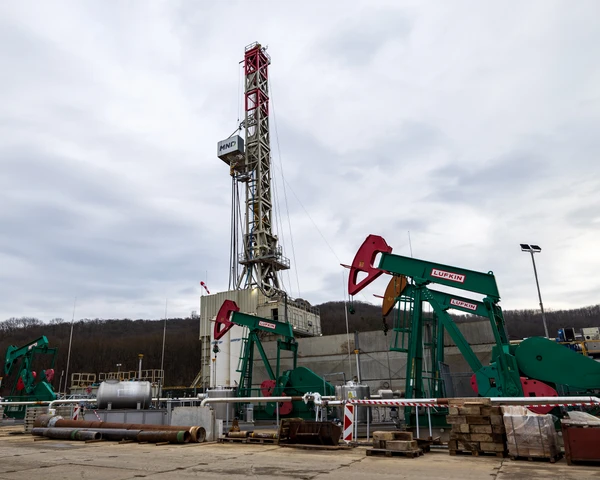
Energy plans rapid growth and modernisation
The year 2025 was exceptionally successful for our division from both a financial and operational perspective. We achieved significant growth in production, revenue and profitability, and our overall results significantly exceeded the original plan. EBITDA reached CZK 1.7 billion, with our operations in Ukraine being the main driver of this outstanding performance.
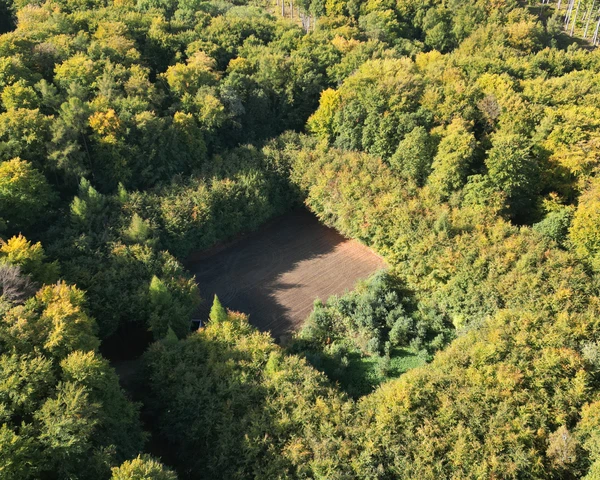
Disposal of Ždánice probes: closing another chapter of mining
At the start of 2023, the decommissioning of three wells in the Ždánice area was successfully completed. This symbolically marked the end of a chapter in the long history of oil and gas extraction in this region. Each well had a different history and significance, but what they had in common was that they had fulfilled their purpose and, upon reaching the end of their life cycle, were professionally and safely secured in a permanent state.