Archaeologists have discovered more rich graves from the time of the Migration of Nations at the site of our photovoltaic power plant
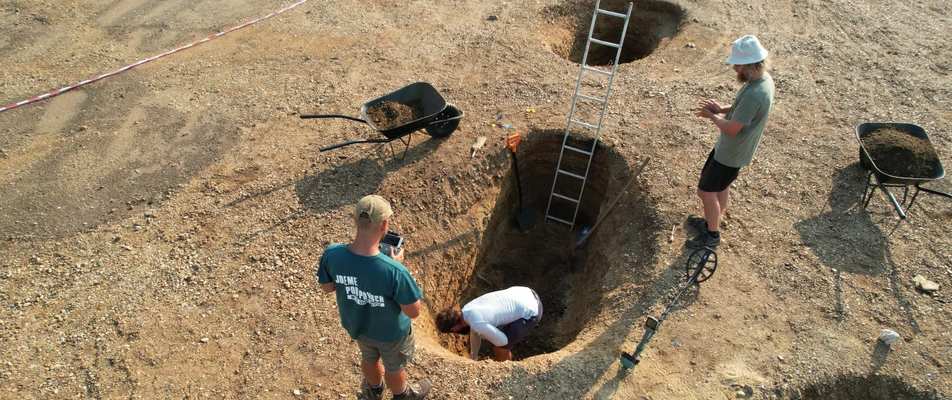
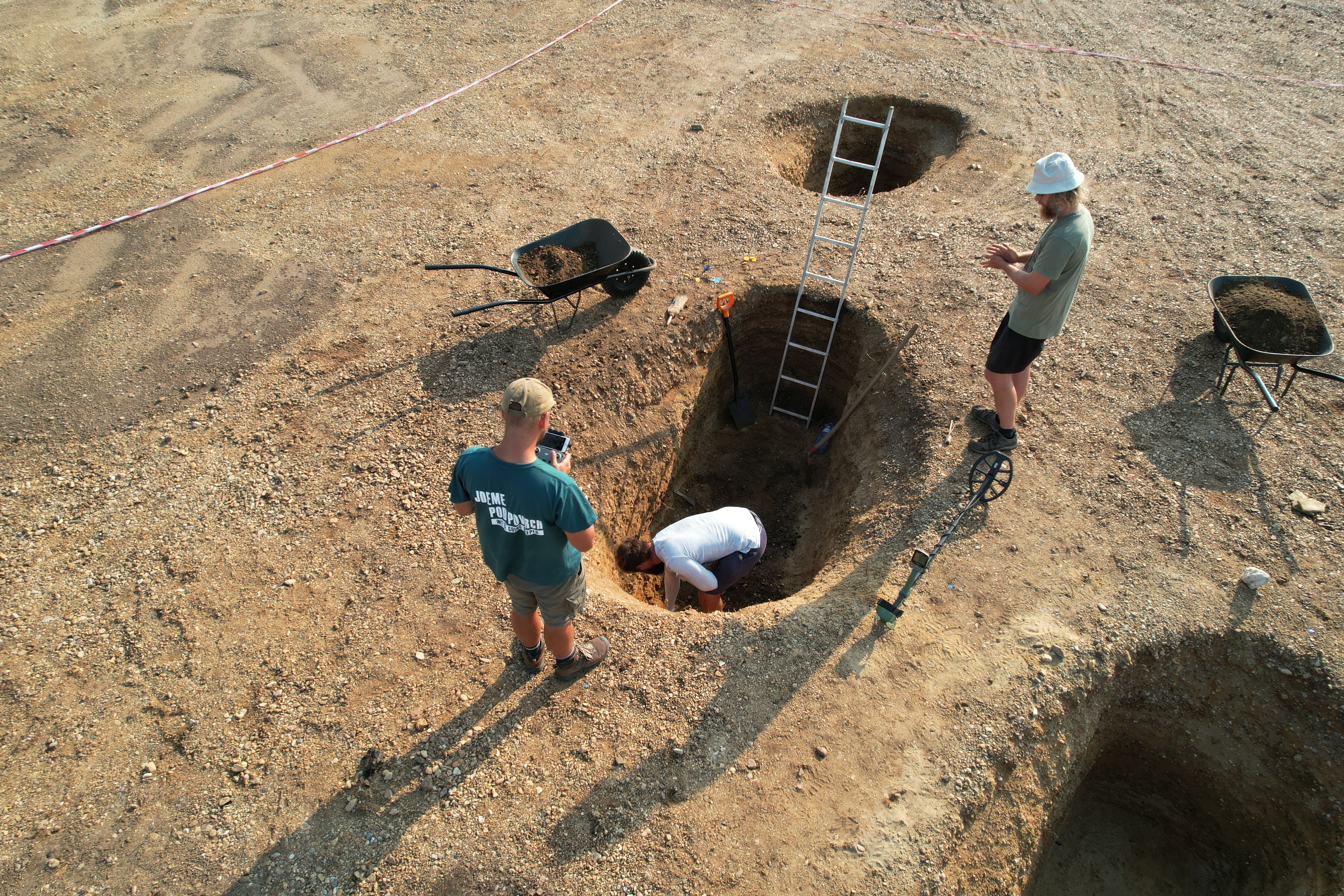
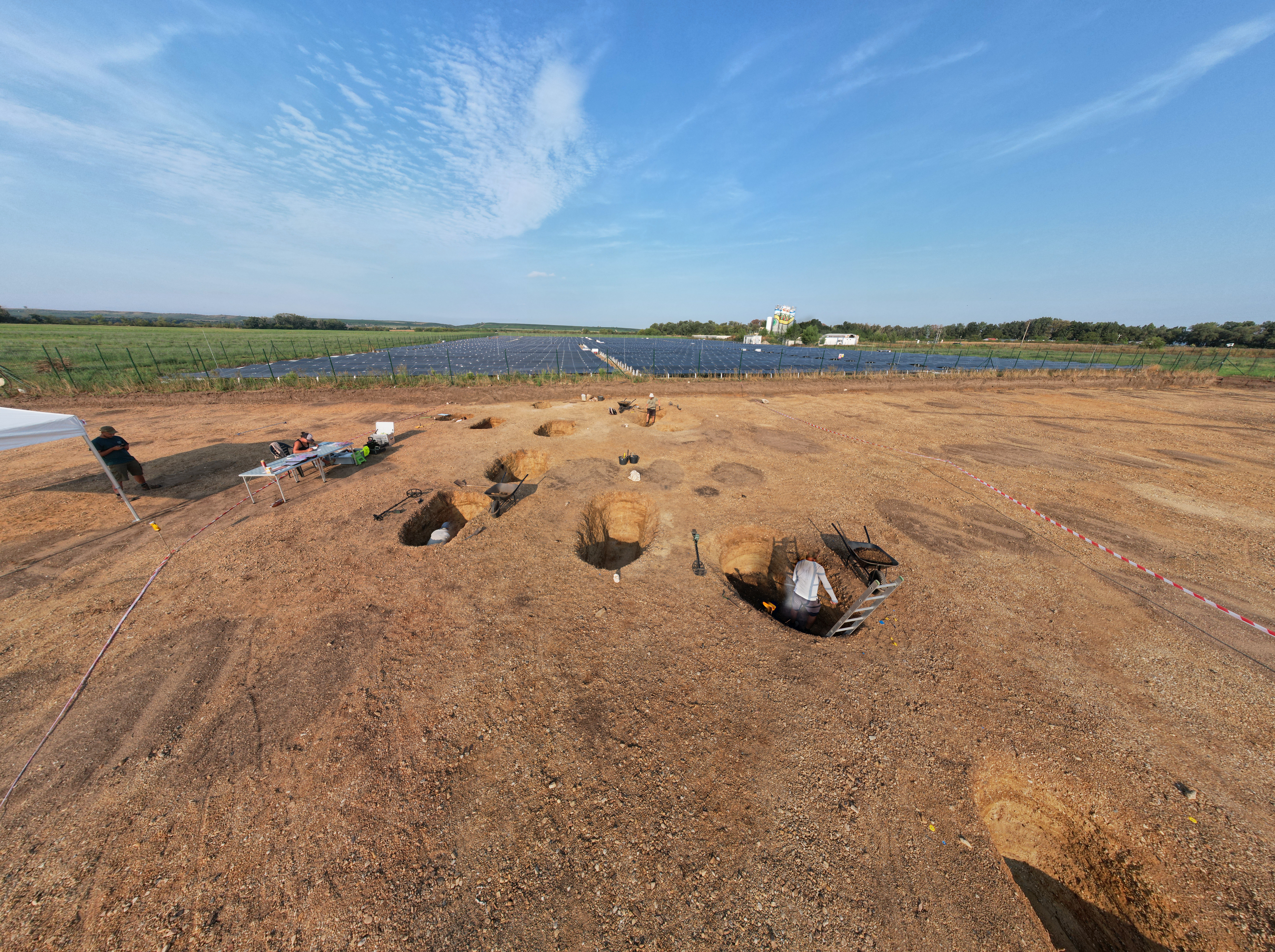
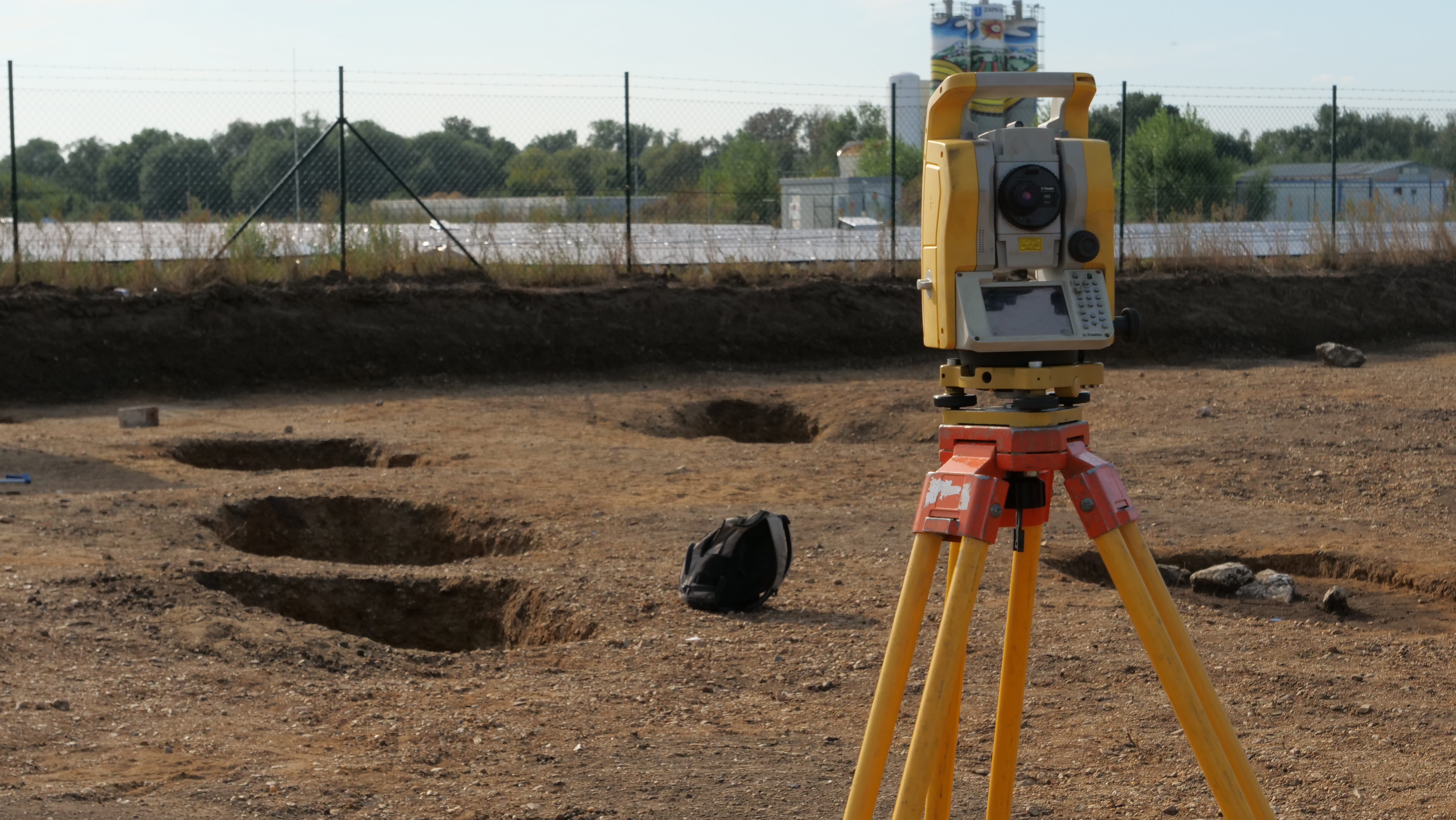
As in the previous year, archaeological research of a large skeletal burial site from the time of the Migration of Nations (6th century AD) in the locality of Mušov - Roviny under the Pálavské vrchy Mountains, which is carried out with the support of MND by the Institute of Archaeology of the CAS, continues this year.
This is the site of our photovoltaic power plant Mušov. As we informed you in last year's Autumn Report, the power plant lies directly on the graves of the ancient inhabitants of Moravia. MND has therefore paid for an extensive survey of the area, including in the immediate vicinity of the power plant. Even during last year, archaeologists reported amazing skeletal finds and artifacts, including beautiful jewelry.
"Yesterday (November 17) we finished excavating the last graves opened so far and it is possible to proceed to include most of the uncovered area. Unfortunately we have not been able to explore all the graves completely due to the complicated groundwater situation. For the next time, we have left the last 15 or so grave pits, which are concentrated in a very small area in the northeastern part of the probe," archaeologist Zuzana Loskotová told MND Report. The experts intend to continue exploring the remaining area as soon as possible, because, as they say, the finds there are "unique and beautiful."
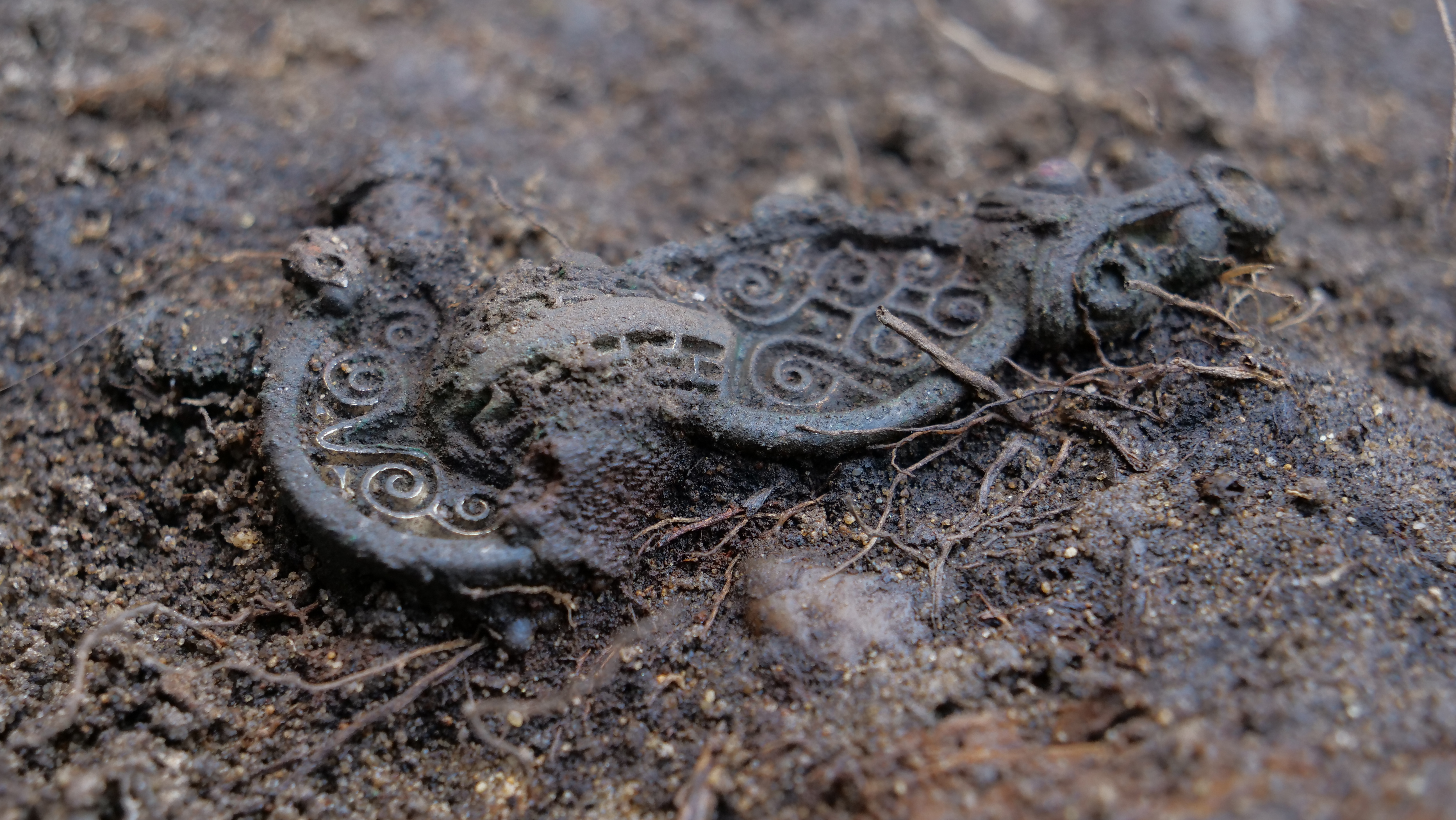
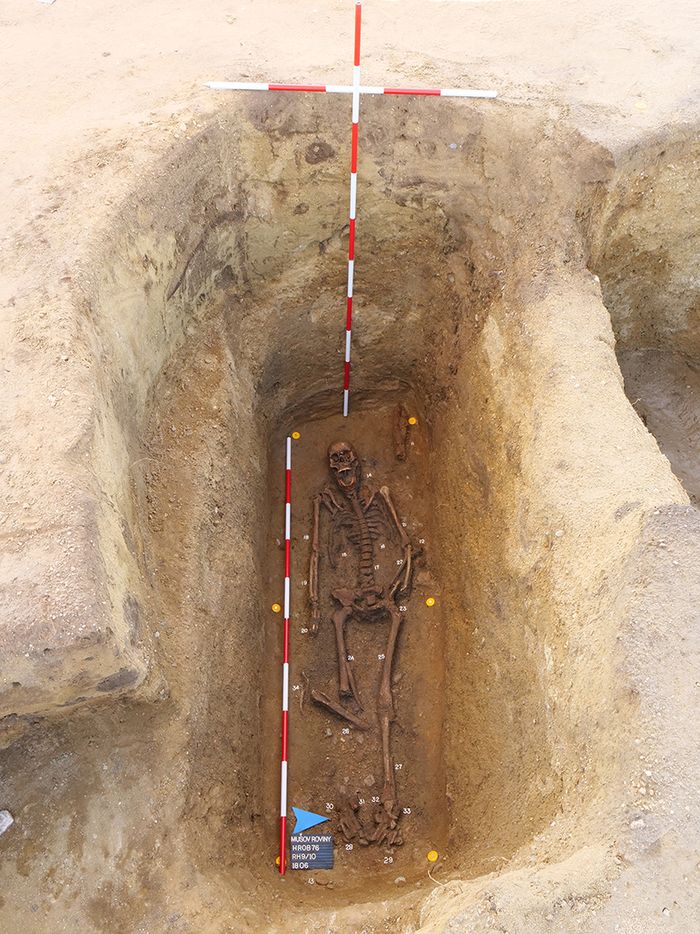

And what's next for these amazing artefacts, which include pins, necklaces and other jewellery and everyday objects? Once archaeologists have finished conserving the rare finds, the Academy of Sciences is planning a special publication and exhibition to present everything to the public.
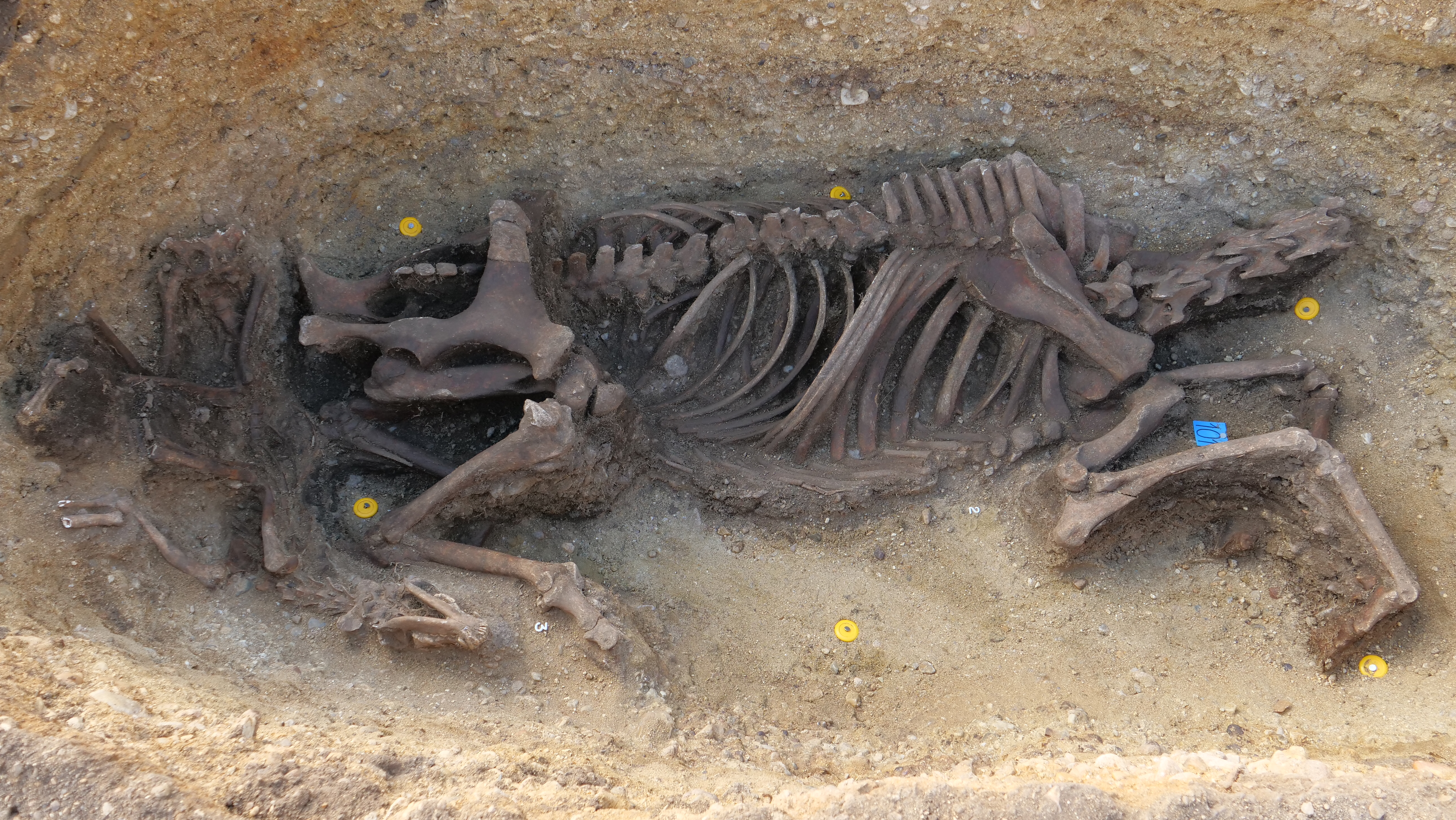
But it's not just valuable or exceptional objects that are of interest to archaeologists. Also significant are the separate communal burials of horses and dogs found near elite, mainly warrior graves. Period plundering is also documented, with one of the horses even missing its head (pictured), which may have contained valuable harness components. While the archaeological finds are undoubtedly of high historical and artistic value in their own right, the recovered anthropological material is also valued by contemporary scholarship, whose subsequent analyses provide important insights into contemporary populations, social differentiation, migration, and other topical issues.
The research, which will continue for several weeks, will thus uncover a significant part of the site, which represents one of the largest known necropolises of the Langobard tribe, located north of the middle Danube.
The oldest settlements here, however, date back to a much earlier period, the Bronze Age, the so-called Unetian culture, represented by the above-ground stilt structures with human sacrifices in the foundations of the houses. Last year, a rich biritual (urn and skeletal) burial site from the older Roman period was also discovered. However, most of the archaeological objects clearly date from the period of the Migration of Peoples and belong to the Germanic Langobards. More than 200 skeletal graves have already been investigated, 60 of them this year. Another 100 graves have not yet been uncovered; their existence is known thanks to non-destructive archaeological prospection, i.e. remote sensing and geophysical survey.

Editor-in-Chief
Other articles
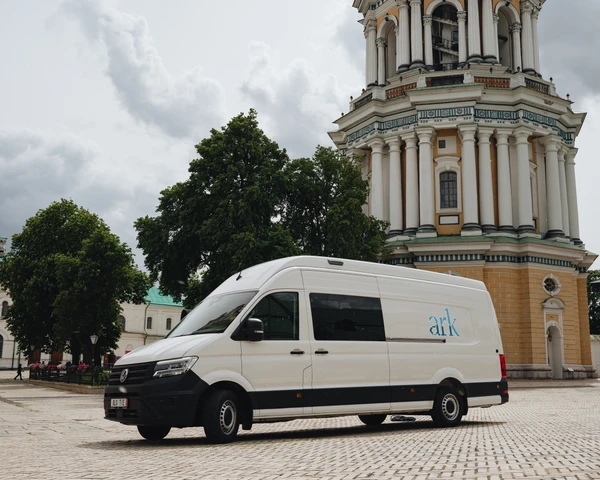
Archa III is already helping to preserve cultural heritage in Ukraine
On the premises of the Kyiv-Pechersk Lavra, one of Ukraine’s most significant spiritual and cultural centres, representatives of the Ministry of National Defence, the Karel Komárek Family Foundation (KKFF) and the National Museum handed over the Archa III mobile conservation unit to the Ukrainian side. The device is capable of producing 3D scans of objects of various sizes in the field, ranging from small artefacts to historical items.
Poddvorov 27 – A reclamation project with a future
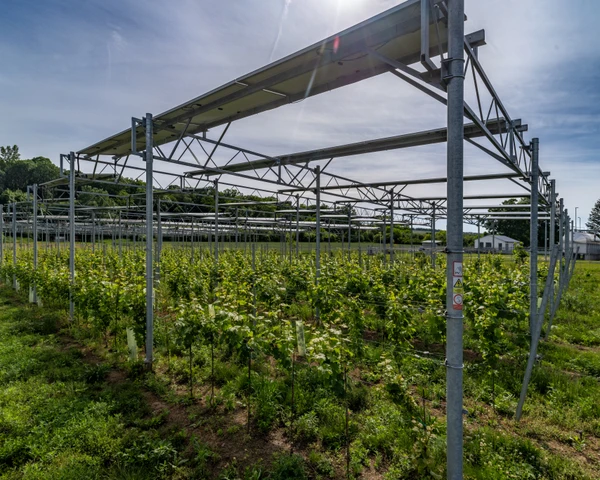
Perhaps no other MND site better illustrates the successful reclamation of land following the end of mining operations. The site of the former Poddvorov 27 borehole now serves as an example of how an area left behind by mining operations can be given a new purpose and actively utilised once more – in the form of a modern agrovoltaic concept.
Both the state and customers will benefit from battery storage, says Martin Pich
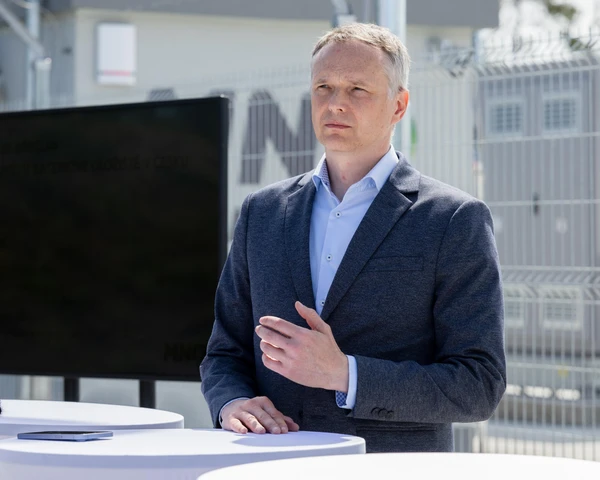
Battery storage is rapidly becoming a key component of the modern energy sector. It is not just about the technology, but also a new way of generating revenue from flexibility whilst stabilising the grid. Martin Pich, Director of the Trading Division at MND, explains exactly how this business works in practice.