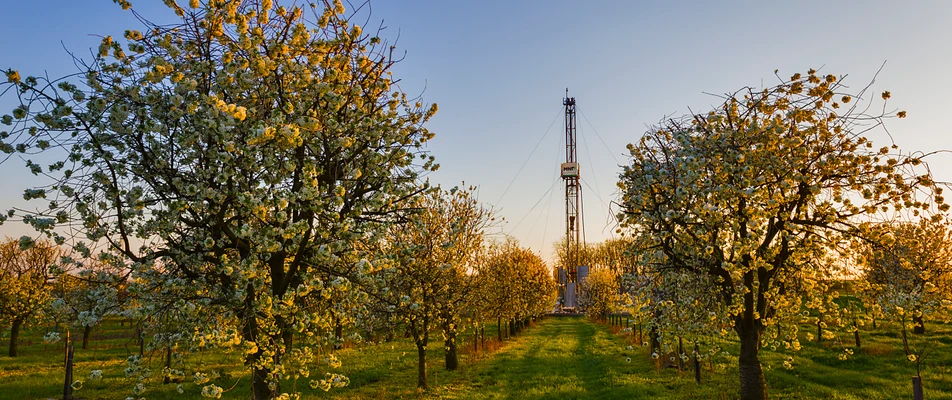
The life cycle of a borehole ends with reclamation. What does it involve?
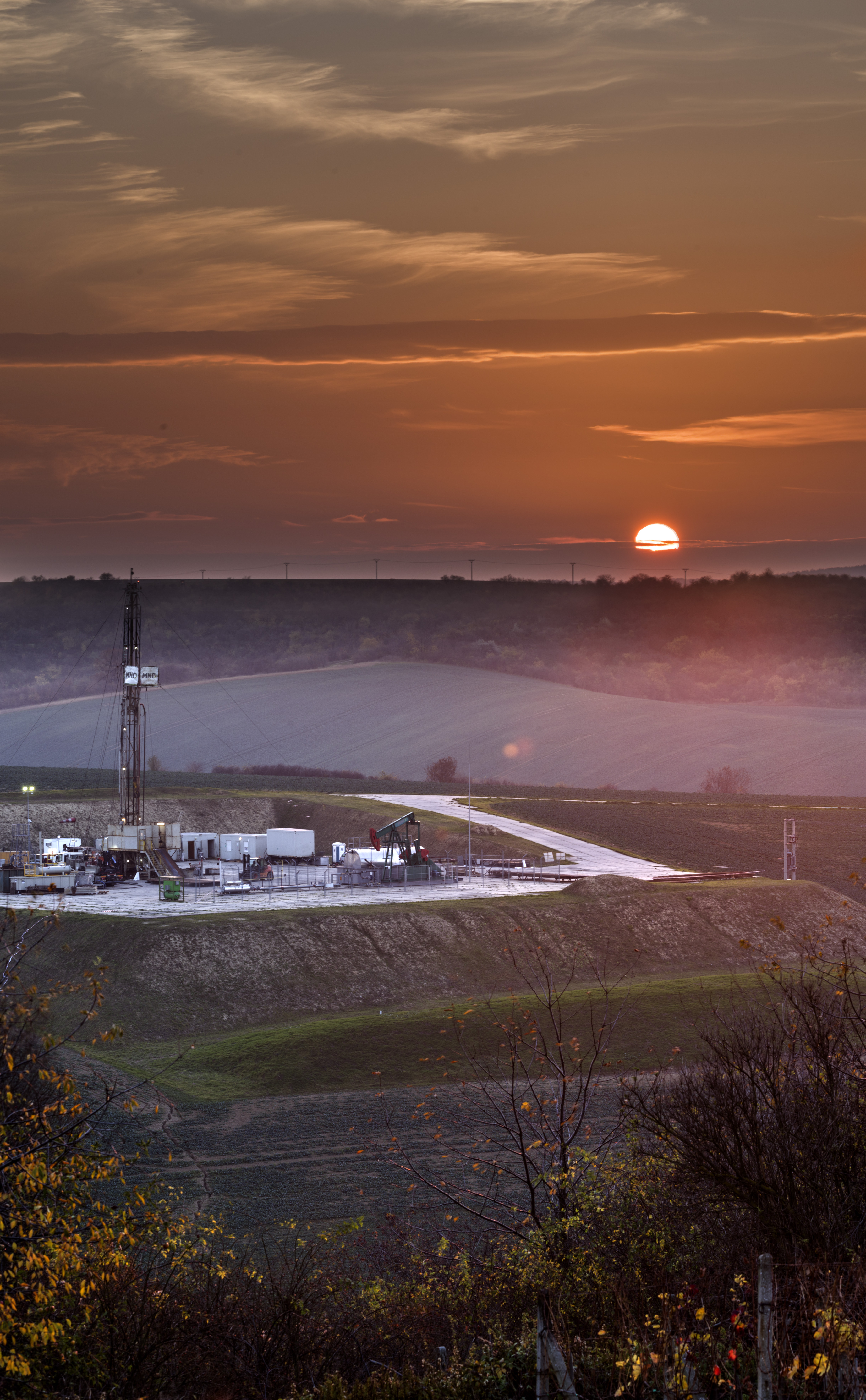
The drilling and subsequent disposal of the probe is a fascinating process that can be likened to the life cycle from birth to death. Every well, whether exploratory or production, has its own life story. Repot is now bringing you a series that will present interesting reclamations of our specific sites one by one. But in this issue, let's talk in general terms about what such reclamation looks like, why it's done in the first place, and how much it actually costs.
The birth of the borehole
It all starts with the drilling of an exploration or production well. This then "lives" its life, which can last from a few years to several decades. The average life of an active well is between 5 and 40 years, depending on the size of the deposit.
End of life
Once the reservoir is produced, the well loses its function and becomes a financial burden for the company. It is time to dispose of it. This process involves several steps to ensure safety and minimize environmental impact.
The disposal process
- Analysis: the Geochemistry Department performs sampling and analysis for possible petroleum contamination in the soil.
- Preparation: a ground probe repair (POS) rig arrives on site.
- Equipment Removal: The original well machinery is removed.
- Cementing: The well is cemented and the cement bridge is carefully tested for tightness.
- Filling: The casing of the borehole is filled to the surface with cement mixture.
- Cutting and welding: The casing is cut 1.6 to 1.8 metres below the surface and welded with steel plates. A probe number is welded onto the last plate and the whole process is finished with a concrete cap.
Land reclamation and return
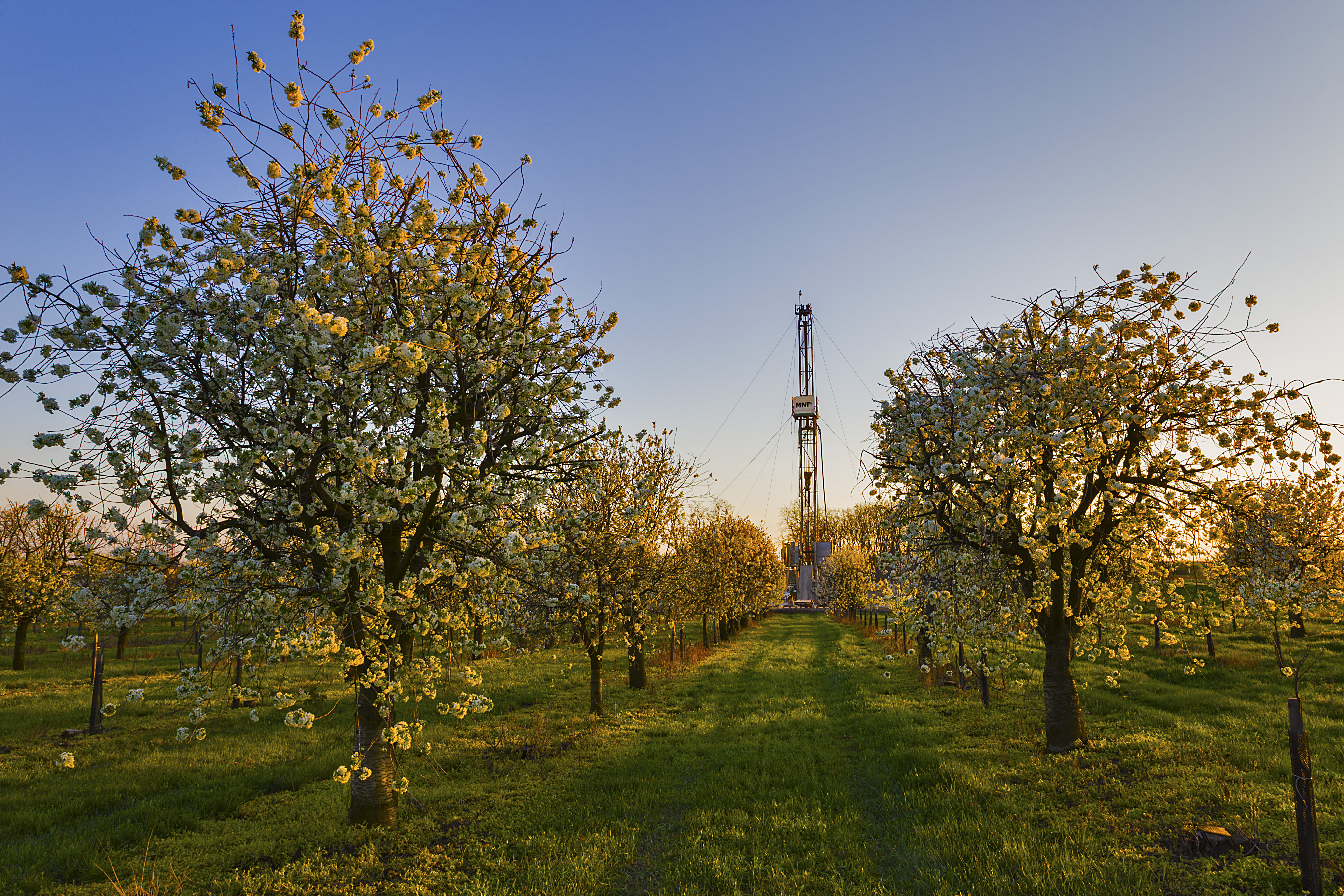
After the disposal of the borehole, the land is returned to the owners in its original state. Biological reclamation is carried out by the landowner, with the costs paid by the company over a period of three years.
Statistics and costs
The company carries out an average of 15 to 20 well abandonments and reclamations per year, costing approximately CZK 80 to 100 million.
This complex process ensures that the land is returned to its original state after mining operations are completed and the environmental impact is minimised.
Other articles
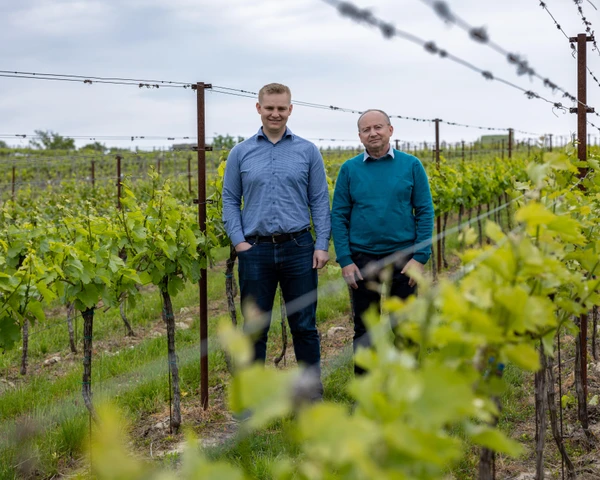
Between the pipes and the vines: When MND leaders also lead the vineyard
This report brings you the first part of the interesting winemakers who work in our group. We start in Čejkovice, where father and son, Jiří and Petr Št'avík, cultivate their lines. Petr works in MND as the head of the mechanical department and Jiří is the manager of the Dambořice storage facility.
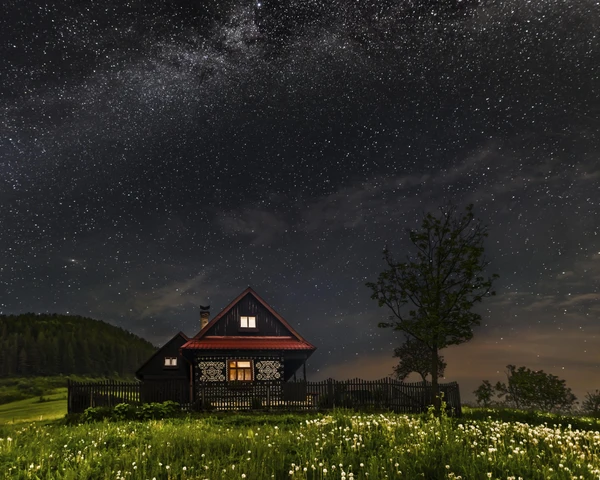
Comets, Perseids, meteors. Milan Pagac photographs the beauty of the night sky
During the day he looks underground and works on dynamic models of bearings, after work he takes his camera and looks up at the stars. In his spare time, MND bearing engineer Milan Pagáč is an astrophotographer. He combines two hobbies: photography and his interest in space observation, which has been with him since childhood. His pictures are well known to many MND employees - they have appeared in the calendars of Drilling, where Milan's wife also works.
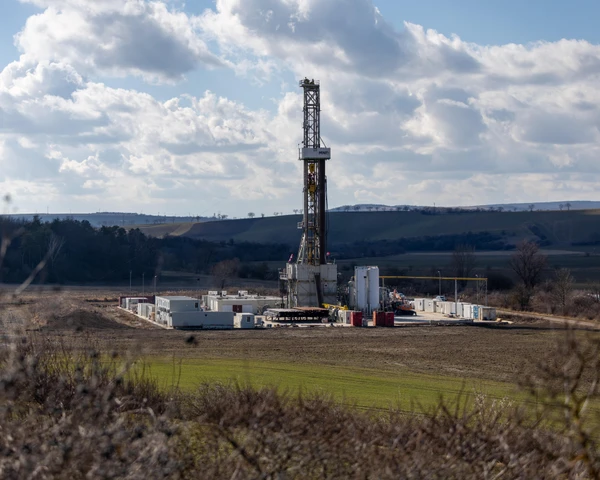
Second well test of Dambořice 9
The last drilling here was in the summer of 2023. While the frogs were croaking then, now, at the end of winter, there are plenty of hares and deer roaming the surrounding fields. And in the evenings, beavers are regularly seen cupitating in the adjacent Burnt Creek.