Hydrogen is absolutely strategic, says Nano Advanced founder
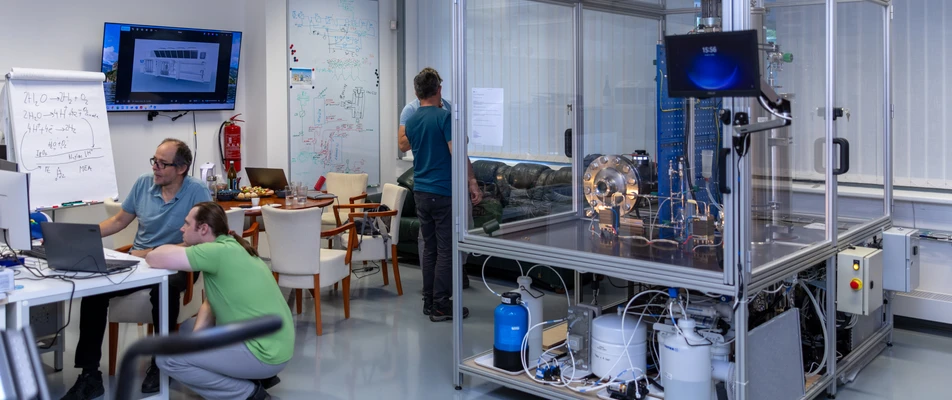
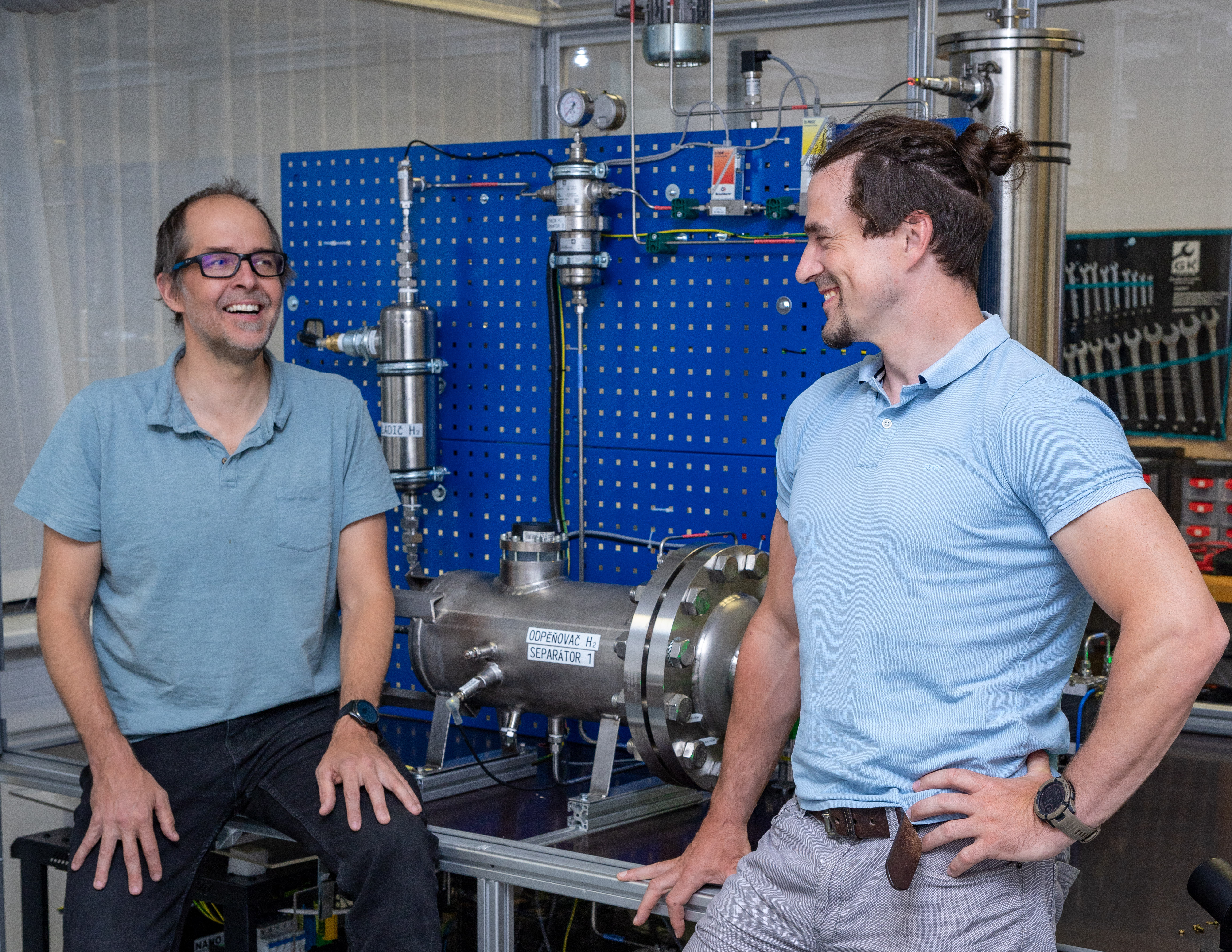
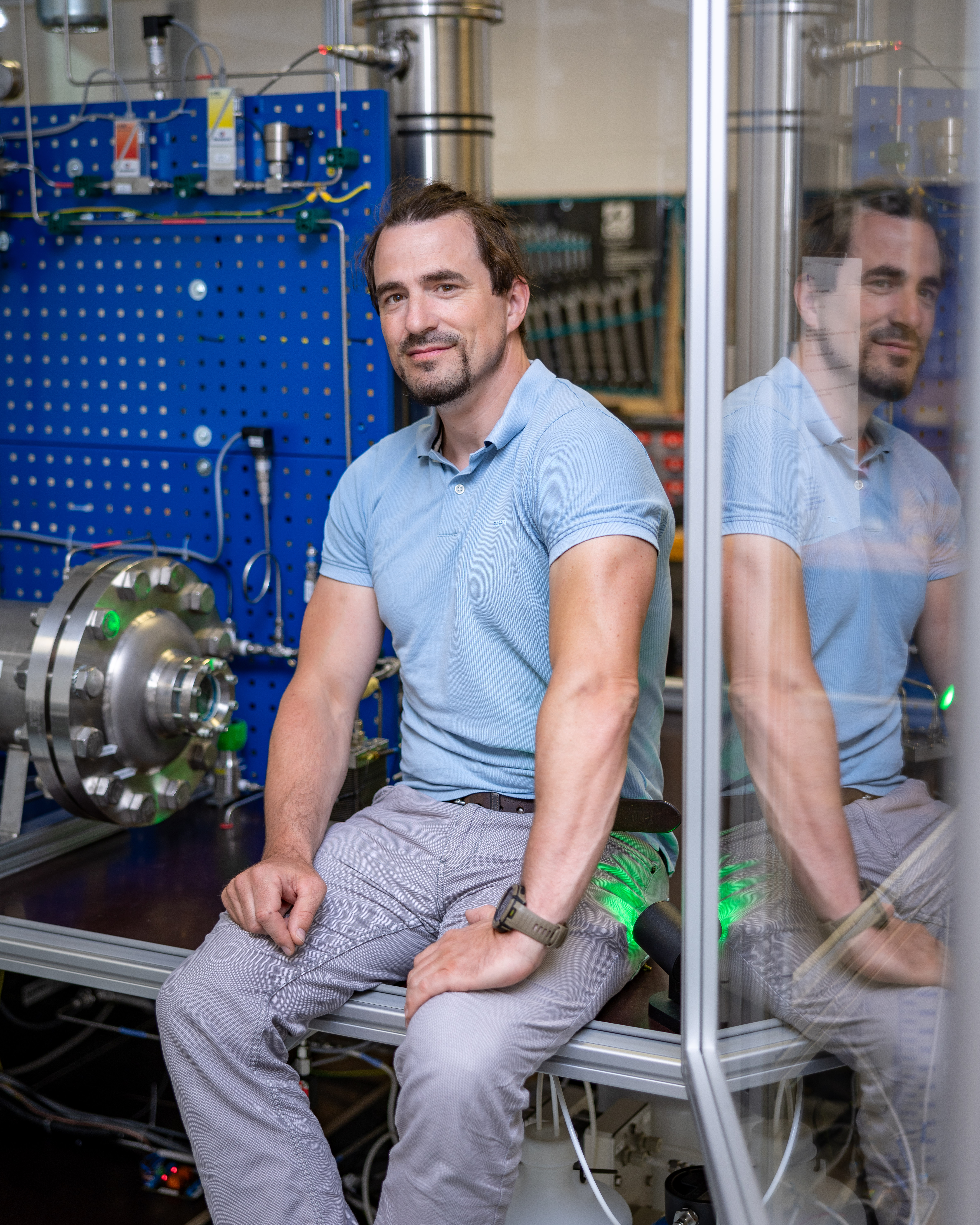
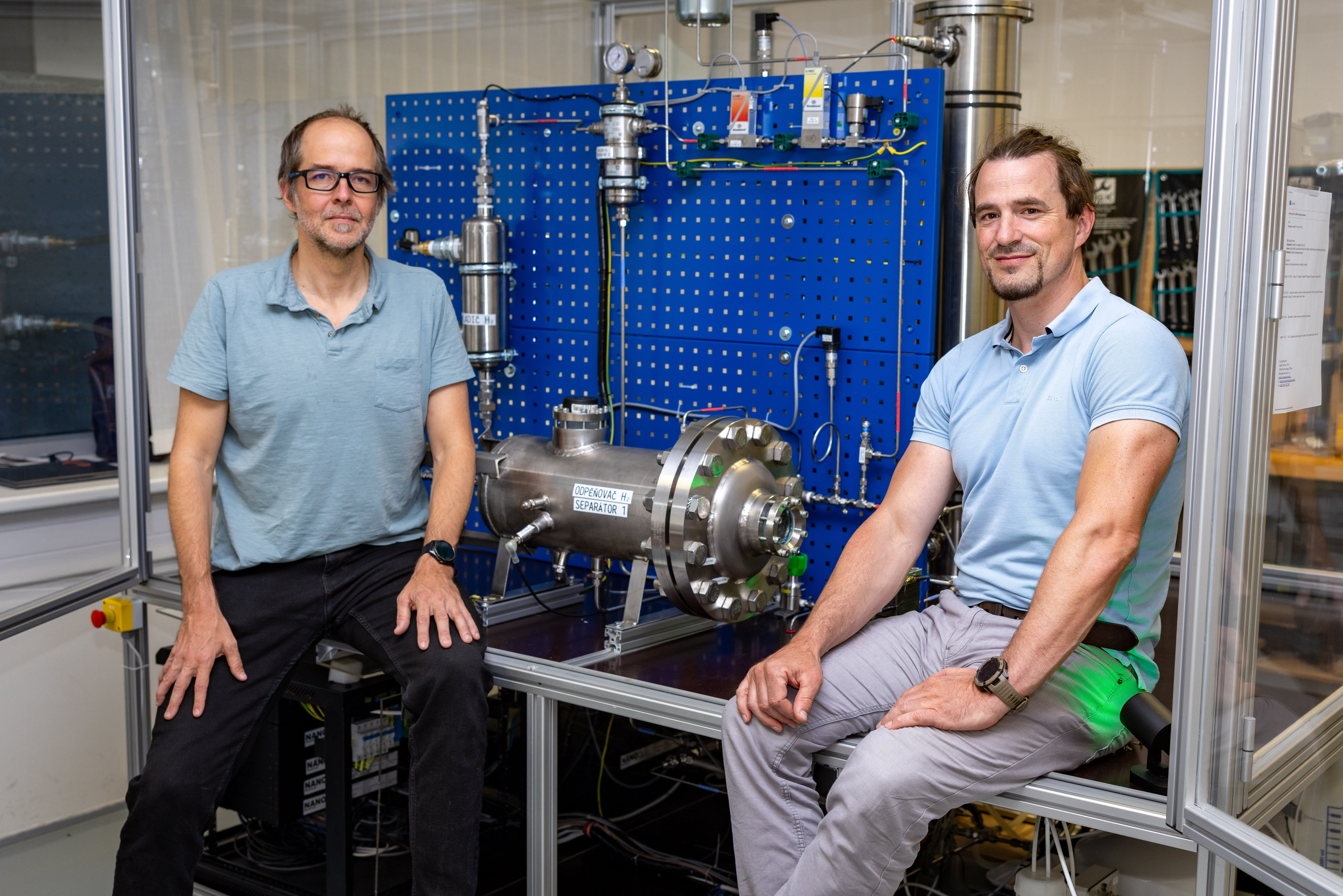
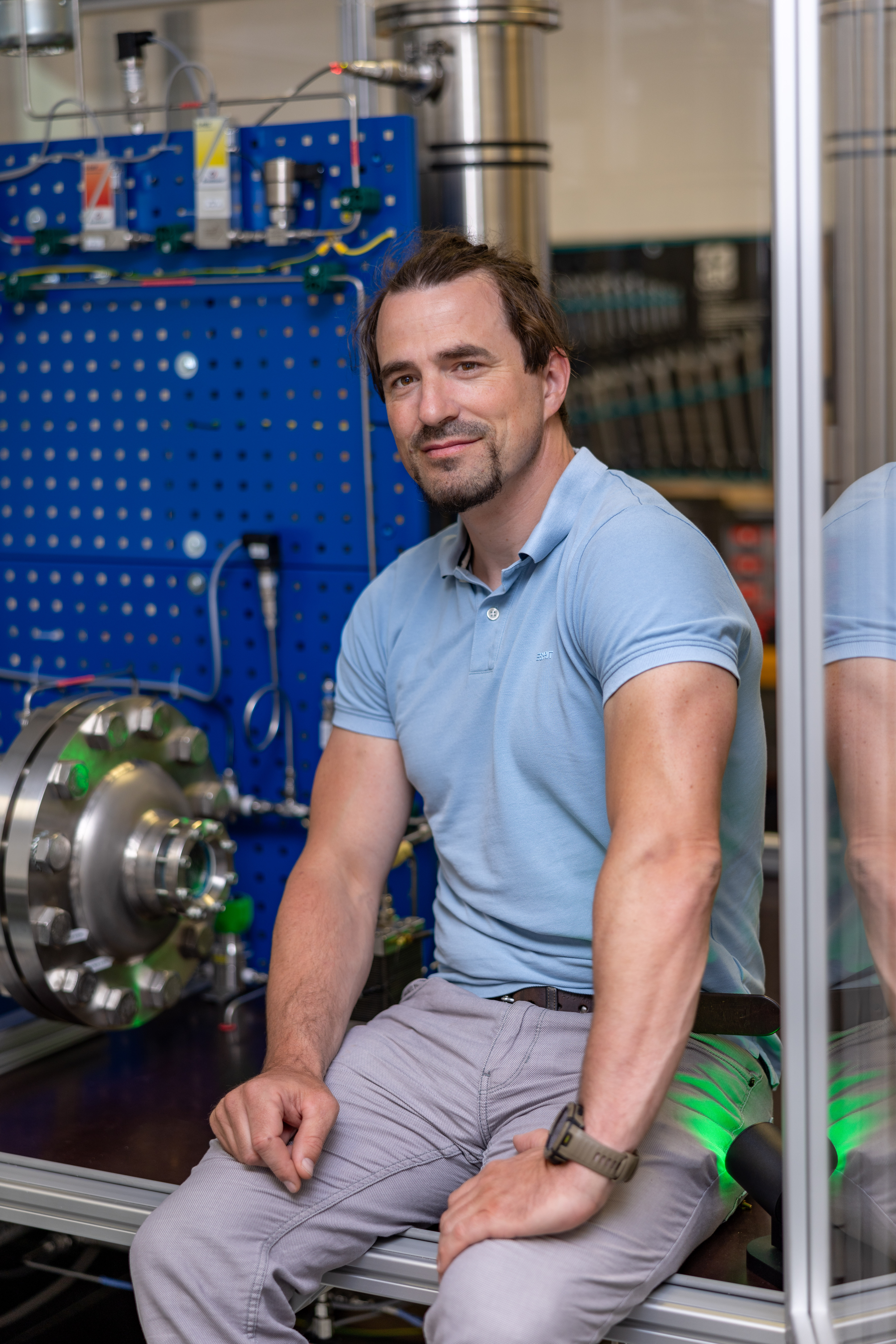
First wild water, then green hydrogen. Pavel Srbecký and Jakub Drnec are the main figures of the startup Nano Advanced, which MND joined last year. The company is developing an innovative hydrogen generator that is tailored to renewable resources. Its advantages are high efficiency and, above all, a longer lifetime. According to Pavel Srbecký, production is sold out two years in advance - and that's before the final product is finished. Such is the current market interest in hydrogen production machines.
"Firstly, hydrogen is one of the most widely used industrial gases. Moreover, it is a fuel that we can make 'at home'. It is absolutely strategic for Europe because nobody can blackmail us by turning off a tap and cutting off supplies. Hydrogen is one of the few commodities that we can produce completely independently here. Even in the case of nuclear energy, we are dependent on the fuel supplier," says Pavel Srbecký.
Your generator solution is unique. What makes it unique?
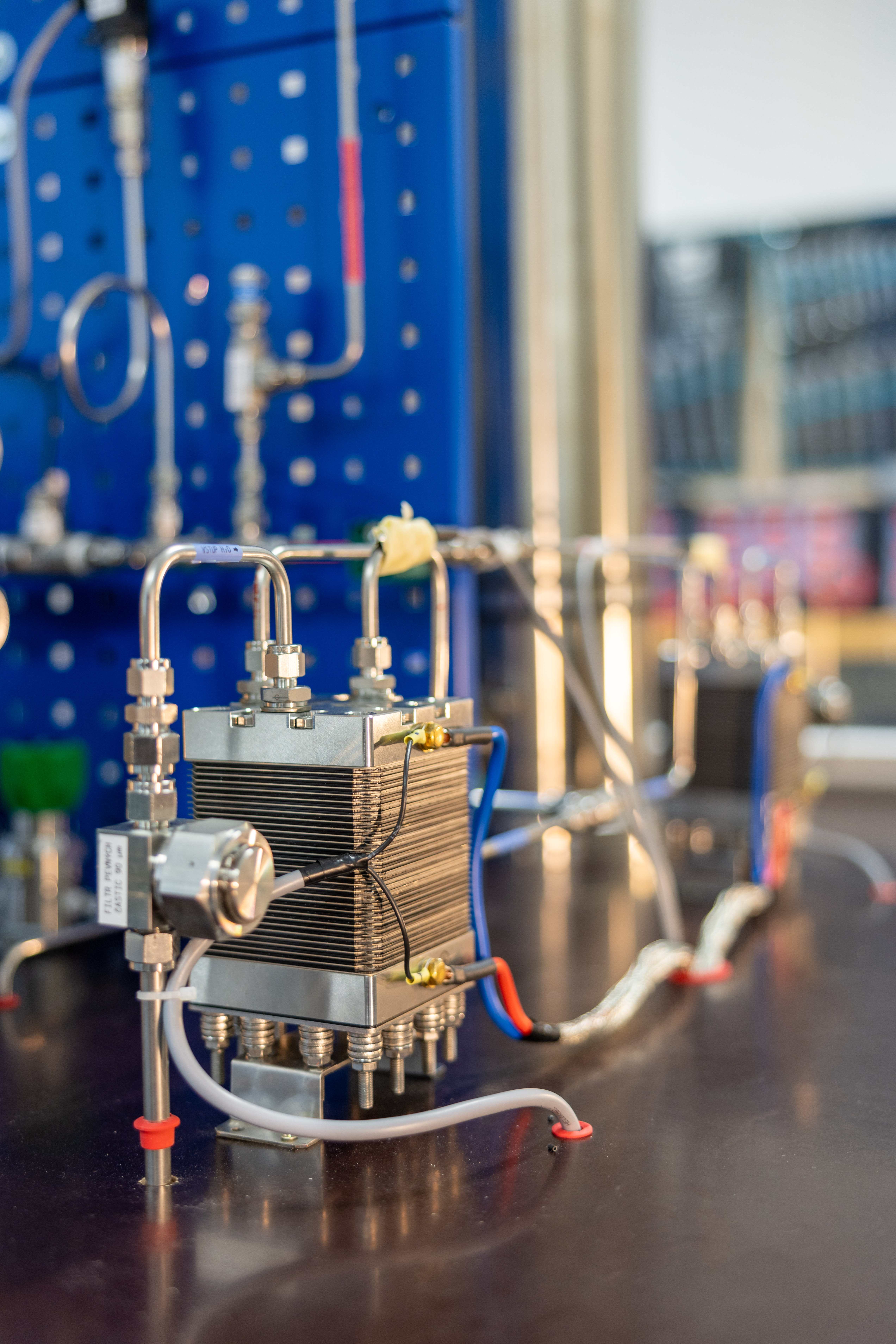
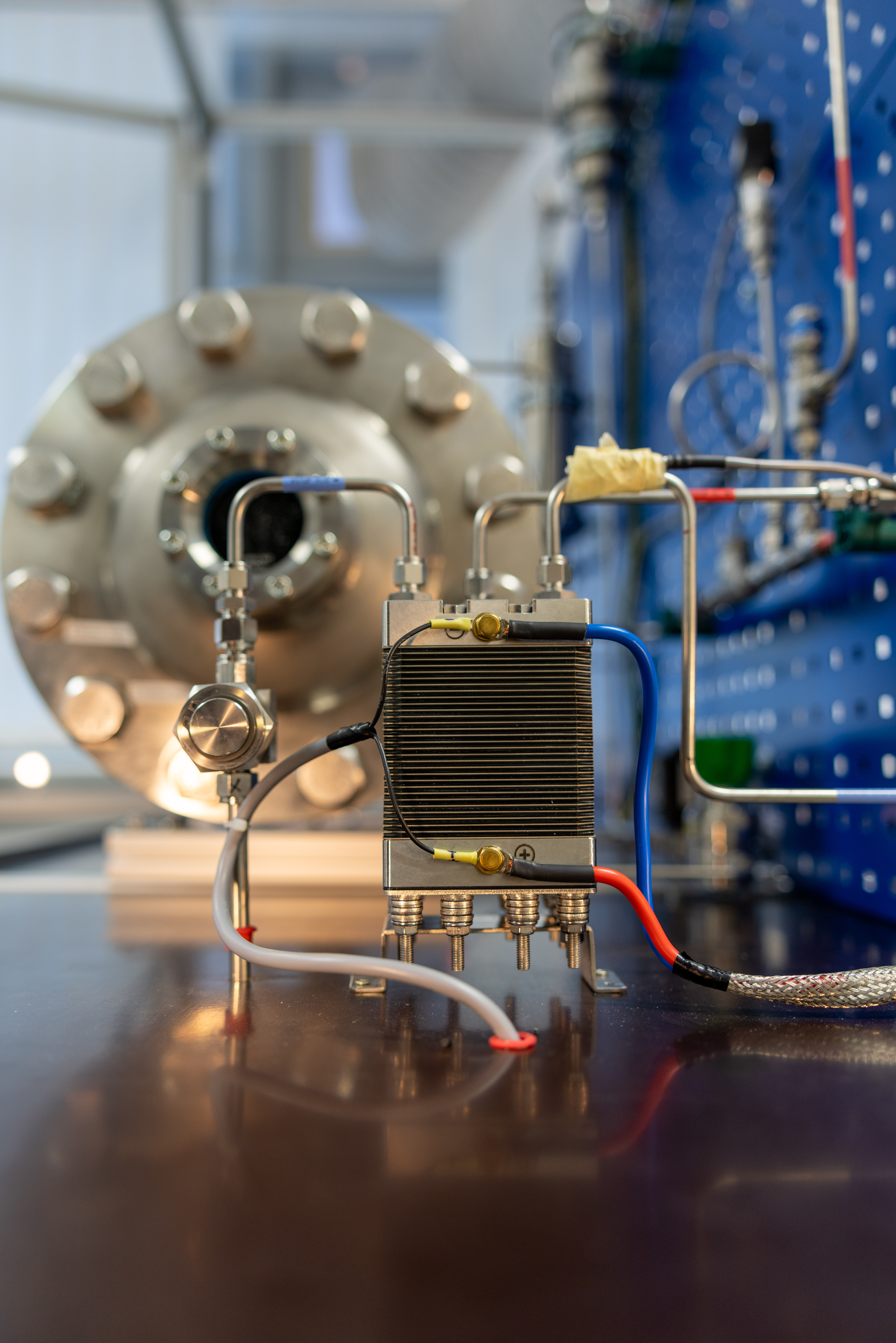
The electrolyser that produces hydrogen has the disadvantage of wearing out. When it's running at constant power, it's still pretty good. But in the case of renewable energy, it is not, and its power fluctuates. Our solution has the advantage of not having one big bundle (i.e. the main and most expensive component of the machine), but dozens of small ones. And our system manages them so that they are used optimally, reducing wear and tear significantly. We therefore reduce maintenance and operating costs significantly. We've built our solution around renewables to increase its lifetime and efficiency. Mobility and compactness is also a big advantage; the entire plant will be housed in a single container that can be loaded and transported.
Why has no one come up with this solution before?
This technology has been in standard production in some form for some time. However, it is usually a solution that uses one large production bundle, which is cheaper to invest in initially. Only the CAPEX, the capital cost, is optimised. We went the other way.
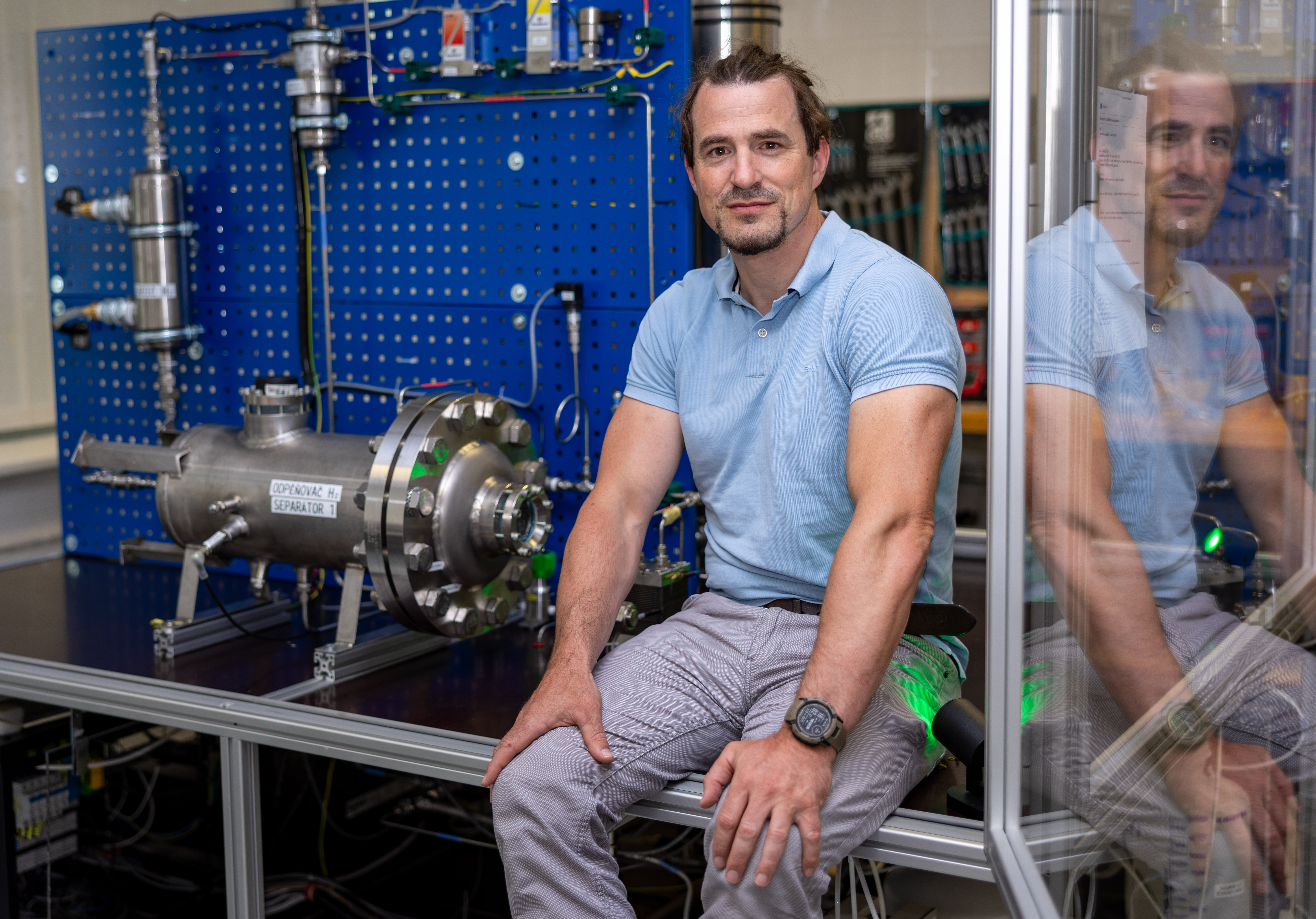
We use a hundred small bundles instead of one big one. It's more expensive in terms of investment and very complicated to manage, even to the point where a human being couldn't manage it on his own. Our know-how is in optimising the interplay of the whole system: the power sources, the control system and the artificial intelligence. Controlling one bundle is easy. With a hundred, it's impossible. But our artificial intelligence essentially controls the machine itself so that it runs as efficiently as possible and lasts as long as possible. Until now, it has been impossible to create such a system.
What's changed?
First, there have been major improvements in machine learning, which is quite new. Secondly, the individual segments - the hardware - are becoming more accessible. We originally went into the project with the idea that we would only build the control system and purchase the rest of the components from the standard market supply. But we found that in order to fully optimise and integrate the generator, we had to essentially develop and build the equipment ourselves. In addition, there are very few hydrogen generator manufacturers worldwide and they are raising their prices significantly as demand increases. Within one year, increases of up to 200 percent can be observed! So we are forced to develop almost every major component ourselves from scratch.
So what will the final product look like?
It will be an independent, i.e. autonomous mobile device, simply a container in which the technology will be housed. In simple terms, you plug in a renewable energy source such as photovoltaics on one side, supply water and get hydrogen on the other side. It will be about 18 to 20 kilograms of hydrogen per hour. To give you an idea, a car can travel about 100 kilometres on a kilogram of hydrogen.
What is the water consumption? It is, after all, a commodity that will potentially become increasingly scarce in large quantities as drought increases.
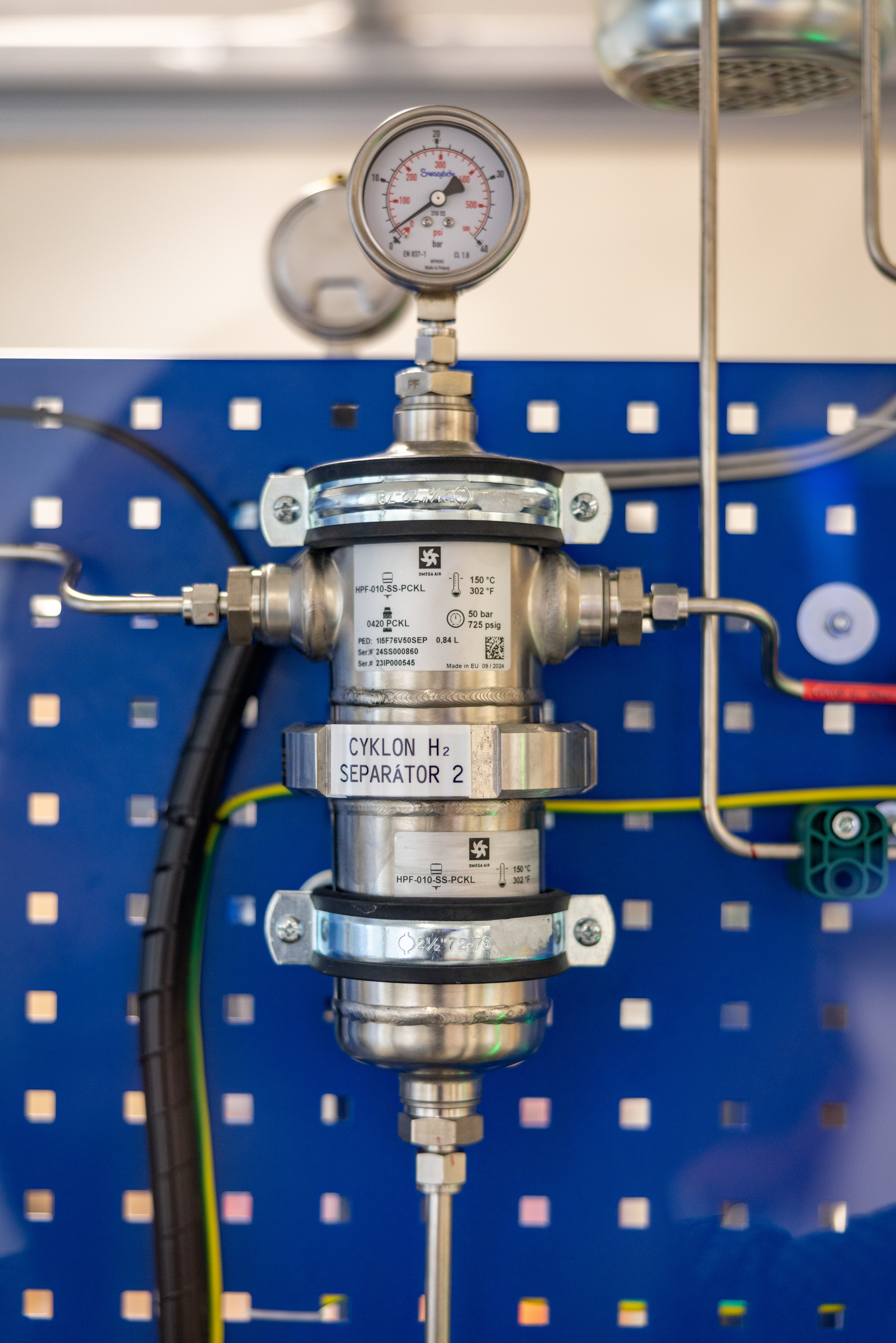
Water consumption is relatively small. It is in units of cubic meters. It's a big issue for us - how to prepare water and how to conserve it. We still demineralise it after treatment to the lowest level, which is expensive. We don't want to lose this water, so we circulate it as much as possible. Because even if you produce gas, it's still saturated with water, so we refine it in the next few stages and reuse the water. The efficiency of the system is very high in this respect.
What stage are you at now?
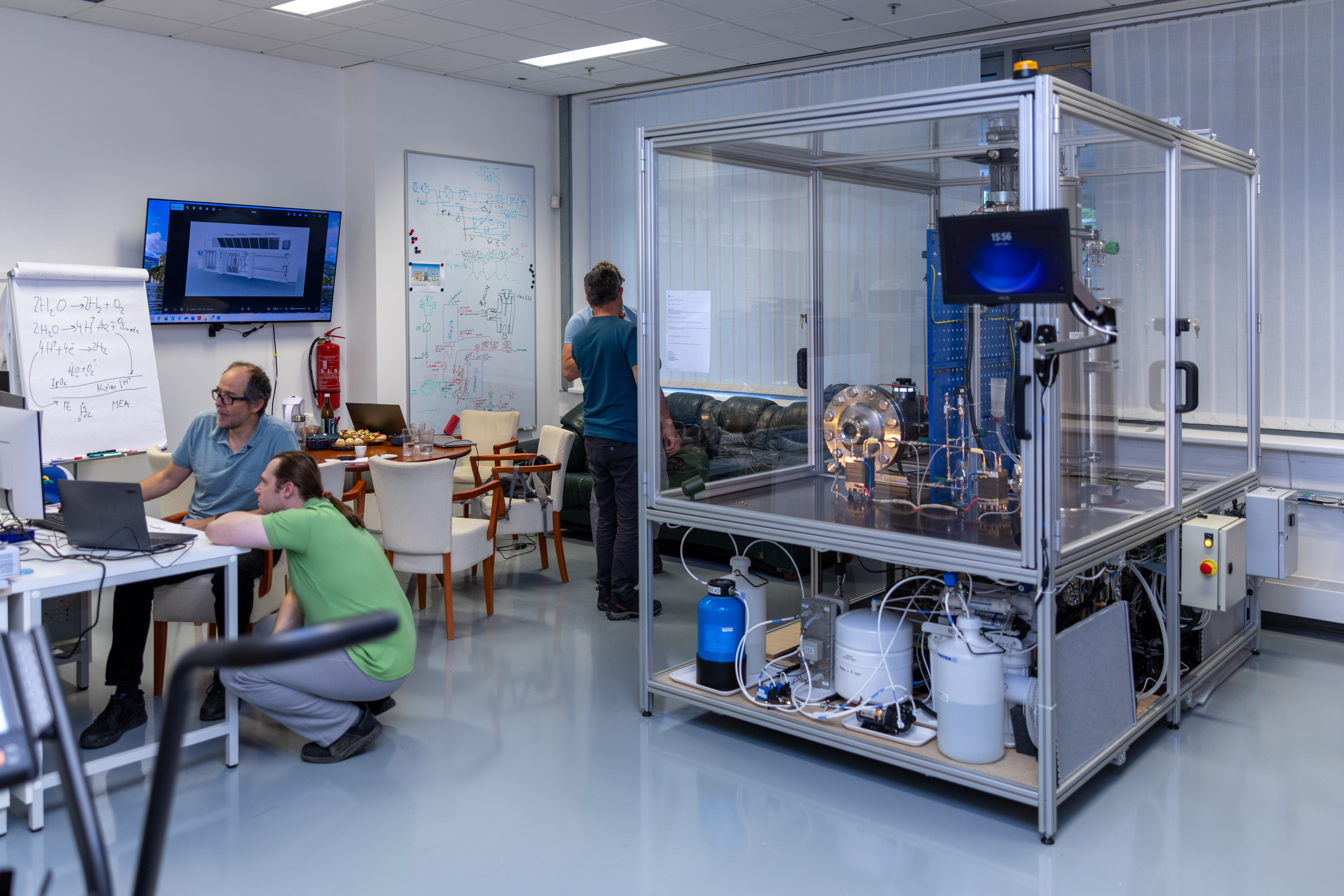
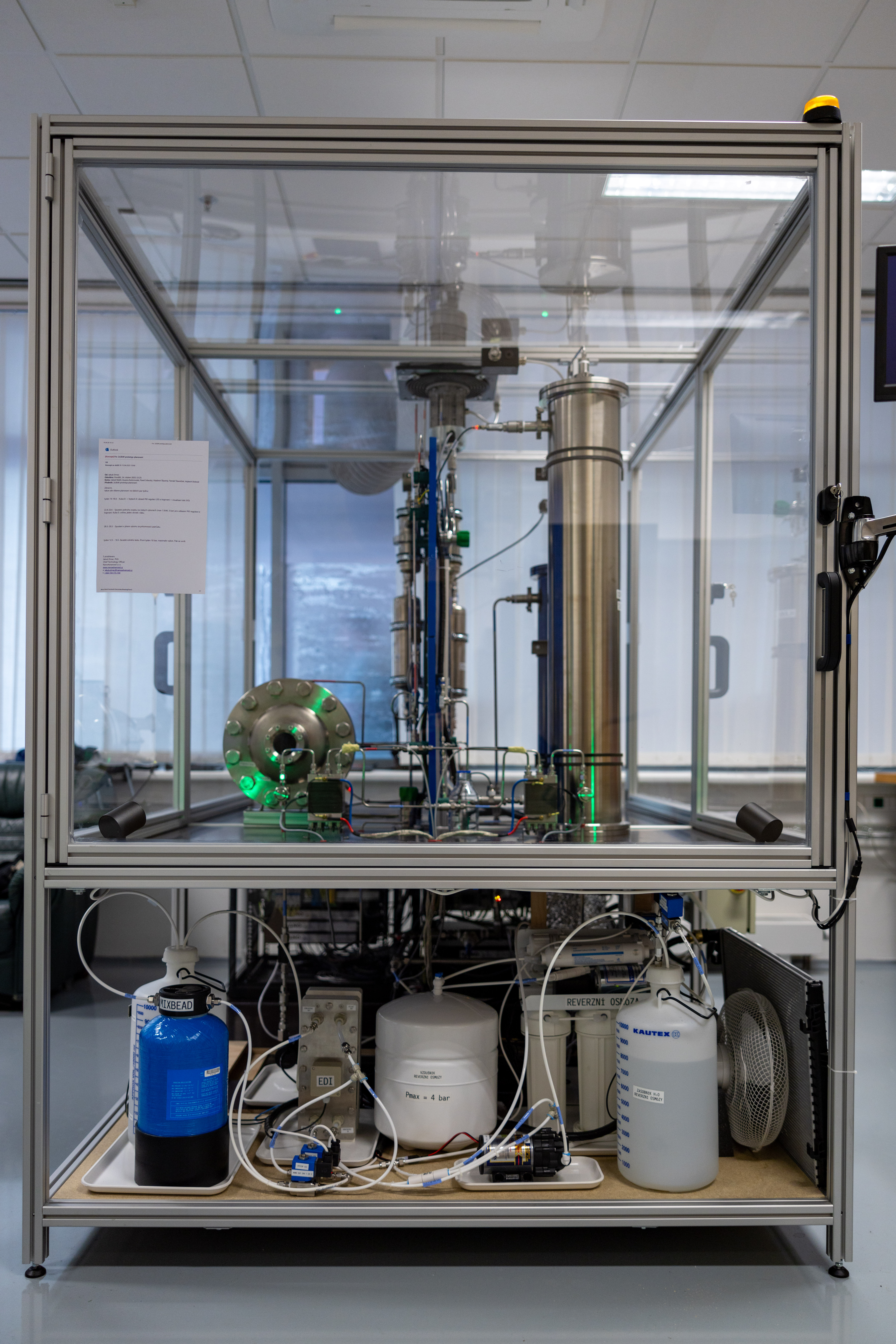
Right now we are just finishing an acute test of a fully autonomous running prototype controlled by artificial intelligence. This is an important milestone in our relationship with MND because it is a tangible and verifiable output.
By February next year, we will have a full container of technology, but it will not be fully resourced and bundled. It will contain only a fifth of them, meaning its output will be 200 kW. So it will only introduce a working product for MND. For us, this is the most challenging test. The completion of the 1 MW container that we will present to the public at the end will consist "only" of fitting it with technology that we have already tested and certified. This should happen in the middle of next year. But I believe that we will be able to do it, and we are currently even slightly ahead of schedule.
What then? New product development is one thing. It still needs to be marketed well...
We have indicatively sold two years of production ahead. That's the only thing I'm not worried about.
What kind of clients can we expect for hydrogen generators?
A very wide range. We've now signed an agreement with an interested party that meets exactly who we want to produce generators for. We started this development for a moral, ethical reason. We feel that something is happening to the planet and this is our contribution to fighting it. We want green hydrogen technology to become widespread and replace fossil fuels where appropriate. The ideal client is one that has its own source of green energy, which it uses for its own consumption, and also needs hydrogen as a technical gas or for other self-consumption. This is wherever welding and the like is done. We have an interested party who has photovoltaics and also a hydrogen storage tank which he has to buy expensively as grey, i.e. produced from fossil sources. When he has a surplus of energy, he has to temper the surplus electricity, so to speak. So with our device, it saves electricity, the transmission system, gas production from non-polluting sources, gas transportation and many other things. That's an absolutely ideal situation. It reduces its costs and carbon footprint. But the other bidders are mostly those who have renewable energy sources and want to optimize their production.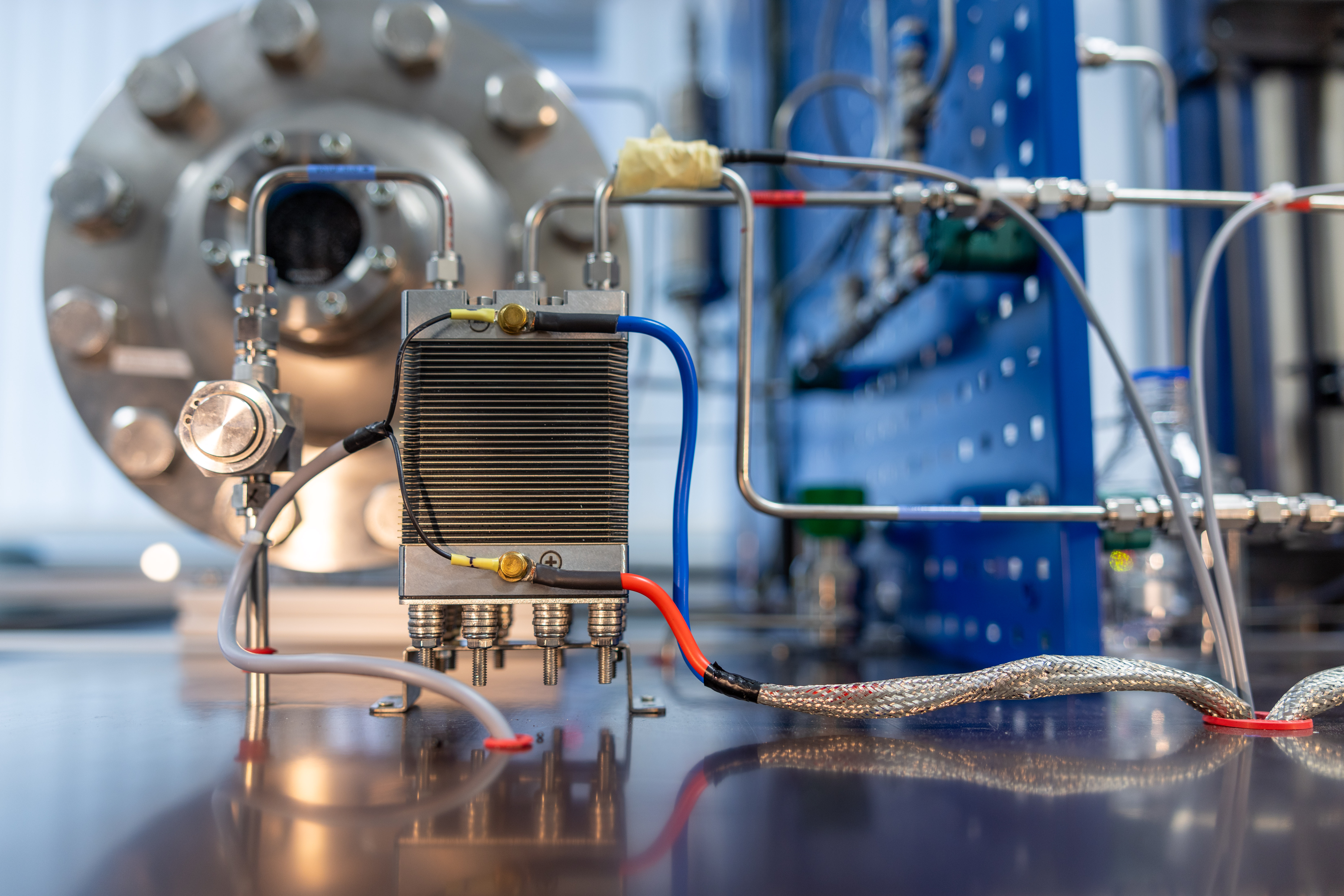
How does your AI actually learn? On what data when it is a new technology?
We go by real data from the MND Orlová photovoltaic plant in order to learn our system from real operations. The artificial intelligence will be predictive - it evaluates all factors and can avoid mistakes. This prototype will be used to continue learning the AI and testing other components. Our work will now focus on building and assembling the final product.
Did you learn anything new from the prototype that you didn't expect?
We learned a lot. We didn't originally want to do the prototype, it came out of discussion and demand from MND. We felt it was slightly pointless to waste time on such a small scale when we could do it on a large scale. But it turned out to be a really valuable experience because some phenomena surprised us. For example, not what was the focus of our development, it worked as expected. But it was mainly the issues that we didn't want to deal with initially - the periphery, the separation, the water treatment and how it's all complexly connected. There are a minimum of experts in the world who have experience with this equipment. So the learning was essential in the end.
Do you have the technology patented?
The whole control system, which is the brains of the technology, will be patented. Then it's time for the utility models for the entire container and separators. We'll see what we can do. We know it's going to be copied, but the others will be at least two years behind us. We have a second generation ready at the moment, which has functions much further out, it's spatially completely different. It's a smaller installation, maybe even in populated areas, and it's really going to be a blast!
Do you consider hydrogen to be the fuel of the future?
I would say it's a necessary part of the fuels of the future. I'm not a blinded ideologue who would push hydrogen at all costs for everything, all the time. It is the easiest and fastest to apply part of renewable energy that is missing here. Hydrogen is suitable for many applications and not for many, and the question is whether and what it is economically viable to use it for. Technically it is a good fuel, it is a commonly used industrial gas - for welding, in the food industry, in cement plants. So far it has been produced by so-called steam reforming of methane, for which natural gas is used. And it doesn't make sense - to get an emission-free source by burning gas.
As an economist, how did you get into green hydrogen in the first place?
My colleague Jakub Drnec and I have been kayaking since we were kids - extreme wild water, going all kinds of rivers around the world. We noticed that they were getting worse and worse and we felt sorry for them. They're building dams, which is destroying the wildlife here beyond belief. Jakub lived for many years in Canada and there it went ad absurdum - some rivers are up to 20 kilometres enclosed in a pipe. Kuba said: I'm going to study solutions to help the planet. And I said, I'm going to learn how to get the money to do it. That was like 1998. Kuba studied physics, did his PhD in Canada, now lives in Grenoble, France. Years later, we thought, now's a good time to get this thing going.
When was that?
About five or six years ago. We felt that hydrogen was a topic where we could succeed and where the level of primary research was noticeably ahead of the applied research. It gradually built up until this concept was born.
How did the collaboration with MND come about?
It was a coincidence. We had a good friend, also a kayaker... and he met Karel Bříza from MND at a conference. He sent information about us, then Michal Sasín came to us, word got out and gradually MND entered our company. I have to say that MND has very nice people, I have a lot of respect for Michal Sasín and Jana Hamršmídová. I would not be able to work with a cold corporation today, the human side is very important to me. MND fulfills all our arrangements perfectly and tries to protect us from excess ballast activities, for which we are really grateful!

Editor-in-Chief
Other articles
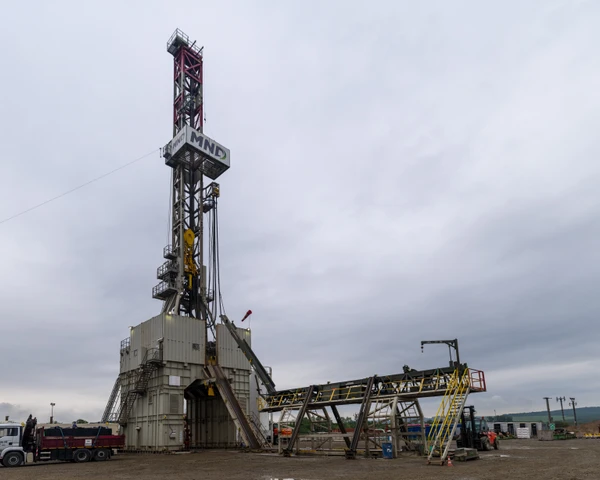
Košice as a springboard: MND sets its sights on further geothermal projects
The completion of the boreholes near Košice shows that deep geothermal energy can serve as a stable source of energy even in Central Europe. At the same time, however, it raises questions about where this type of project makes sense and how quickly it can be scaled up. Radovan Jedlička, Head of Business Development at MND Drilling & Services, discusses the potential, limitations and further opportunities.
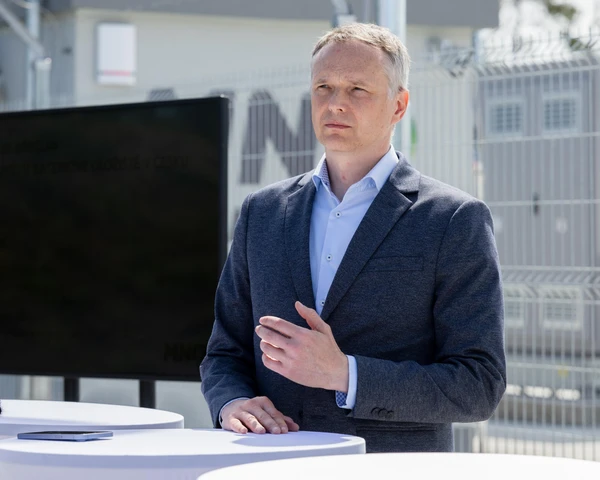
Both the state and customers will benefit from battery storage, says Martin Pich
Battery storage is rapidly becoming a key component of the modern energy sector. It is not just about the technology, but also a new way of generating revenue from flexibility whilst stabilising the grid. Martin Pich, Director of the Trading Division at MND, explains exactly how this business works in practice.
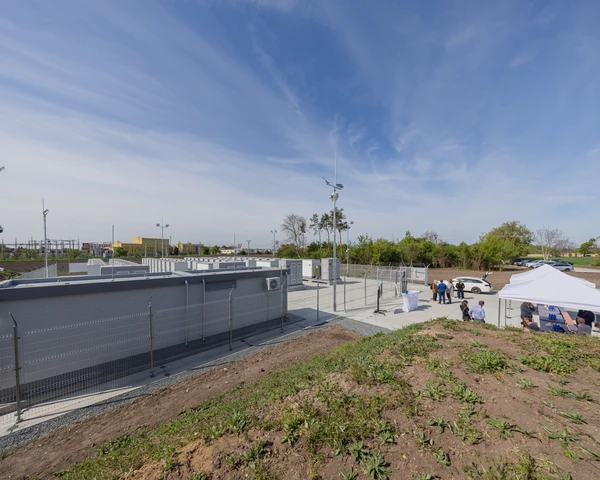
MND is entering the battery energy sector
MND is expanding its activities into a new energy sector – and doing so in grand style. In Břeclav, it has commissioned a 31 MWh battery storage facility, which is currently the largest stand-alone facility of its kind in the Czech Republic. The project, costing around a quarter of a billion crowns, is intended to help stabilise the electricity grid and further develop the electricity trading market.